
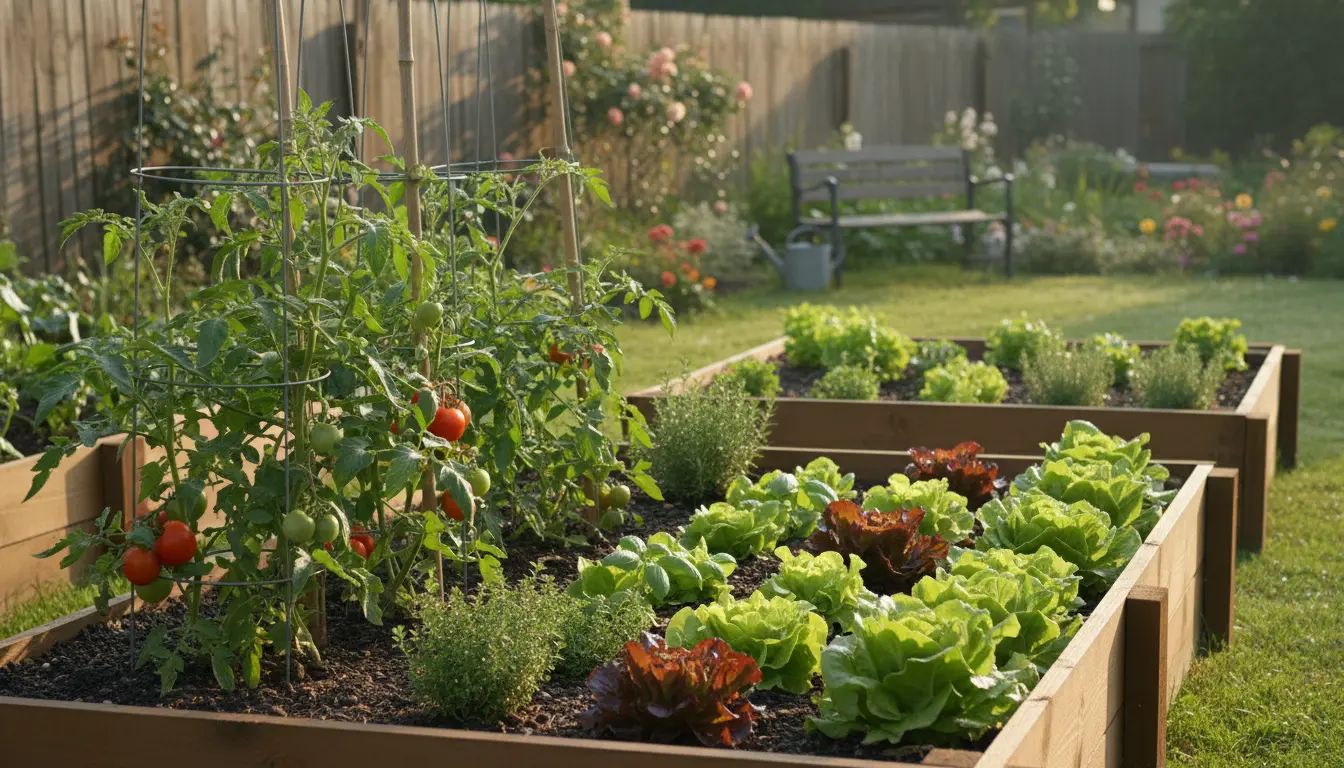
Starting a small vegetable garden is an accessible way to grow fresh food, save money, and enjoy outdoor activity. This guide walks you through planning, soil preparation, planting, and simple ongoing maintenance.
Plan Your Small Vegetable Garden
Good planning reduces work later. Choose a site with at least 6 hours of sunlight, access to water, and good drainage.
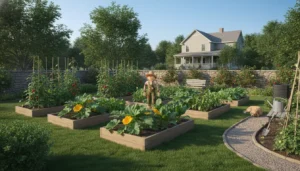
Decide on the garden type: raised beds, container garden, or a ground plot. Each option fits different spaces and budgets.
Choose vegetables for a small garden
Pick crops that deliver big yields in small space. Examples include:
- Leafy greens: lettuce, spinach, arugula
- Root crops: radishes, baby carrots, beets
- Compact fruiting plants: cherry tomatoes, bush beans, peppers
- Herbs: basil, parsley, chives
Start with 3–6 varieties to keep management simple.
Prepare Soil for a Small Vegetable Garden
Soil quality determines plant health. Test the soil if possible to check pH and nutrient levels.
Improve most soils with organic matter. Mix in compost or well-rotted manure to a depth of 6–8 inches.
Simple soil mix for containers and raised beds
For containers or raised beds, use a balanced mix: one part compost, one part topsoil, one part coarse sand or perlite. This gives good drainage and nutrients.
Planting Strategies for a Small Vegetable Garden
Timing and spacing are critical. Follow seed packet or plant tag instructions for depth and spacing to avoid overcrowding.
Use succession planting to maximize harvest from a small area. When one crop finishes, replace it with a new planting.
Layout ideas for a small vegetable garden
- Rows: simple for narrow beds and easy weeding.
- Square foot gardening: divide beds into 1-foot squares and plant based on square foot recommendations.
- Vertical gardening: use trellises for peas, beans, and cucumbers to save horizontal space.
Watering and Fertilizing Your Small Vegetable Garden
Consistent moisture helps vegetables grow steadily. Water deeply once or twice a week rather than shallow daily watering.
Mulch around plants with straw or shredded leaves to retain moisture and lower weeds.
Fertilizer basics for small vegetable gardens
Use a balanced organic fertilizer during planting, then side-dress with compost every 4–6 weeks for heavy feeders like tomatoes.
Observe plants: yellowing leaves often indicate nutrient deficiency while lush dark green growth may mean excess nitrogen.
Pest and Disease Management in a Small Vegetable Garden
Prevention is the best approach. Start with healthy soil and crop rotation to reduce disease pressure.
Use physical controls first: hand-pick pests, use row covers, and prune diseased foliage.
Low-toxicity options
- Insecticidal soap for soft-bodied insects like aphids
- Diatomaceous earth around the base for slugs
- Bacillus thuringiensis (Bt) for caterpillars on brassicas
Maintenance Schedule for a Small Vegetable Garden
Create a simple routine: water, check for pests, remove weeds, and harvest regularly. Short daily or every-other-day checks keep small problems from growing.
Keep a notebook or calendar with planting dates, fertilization, and harvests to improve planning next season.
Adding a 2–3 inch layer of compost each year can increase soil organic matter and water retention, often reducing supplemental watering by up to 30%.
Tools and Materials for a Small Vegetable Garden
Keep a small kit of essential tools: hand trowel, pruning shears, garden fork, watering can or hose with a gentle nozzle, and gloves.
Choose sturdy containers and good-quality potting mix if using pots. Raised bed lumber should be untreated or certified for food gardening.
Case Study: A Small Urban Backyard Garden
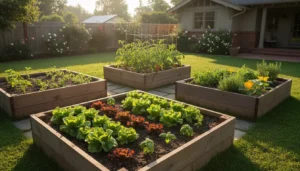
Maria converted a 10 ft by 6 ft patch of lawn into two 4 ft by 3 ft raised beds and three large containers. She planted tomatoes, bush beans, lettuce, basil, and radishes.
She prepared the beds with two wheelbarrows of compost mixed into existing soil and installed a simple drip line for watering. By staggering lettuce and radish plantings every two weeks, she maintained continuous harvests from spring through fall.
In year one Maria harvested enough salad greens to replace store-bought lettuce for her household and saved roughly $120 in produce, while spending about 8–10 hours per month on maintenance during peak season.
Quick Tips to Start a Small Vegetable Garden
- Start small to learn: a few beds or containers beat an overambitious plot.
- Choose fast-growing crops for quick success and motivation.
- Keep a garden journal with dates, varieties, and harvest amounts.
- Use companion planting and vertical space to increase yields.
With planning and simple techniques, a small vegetable garden can be productive and low maintenance. Begin with easy crops and expand gradually as you gain experience.