
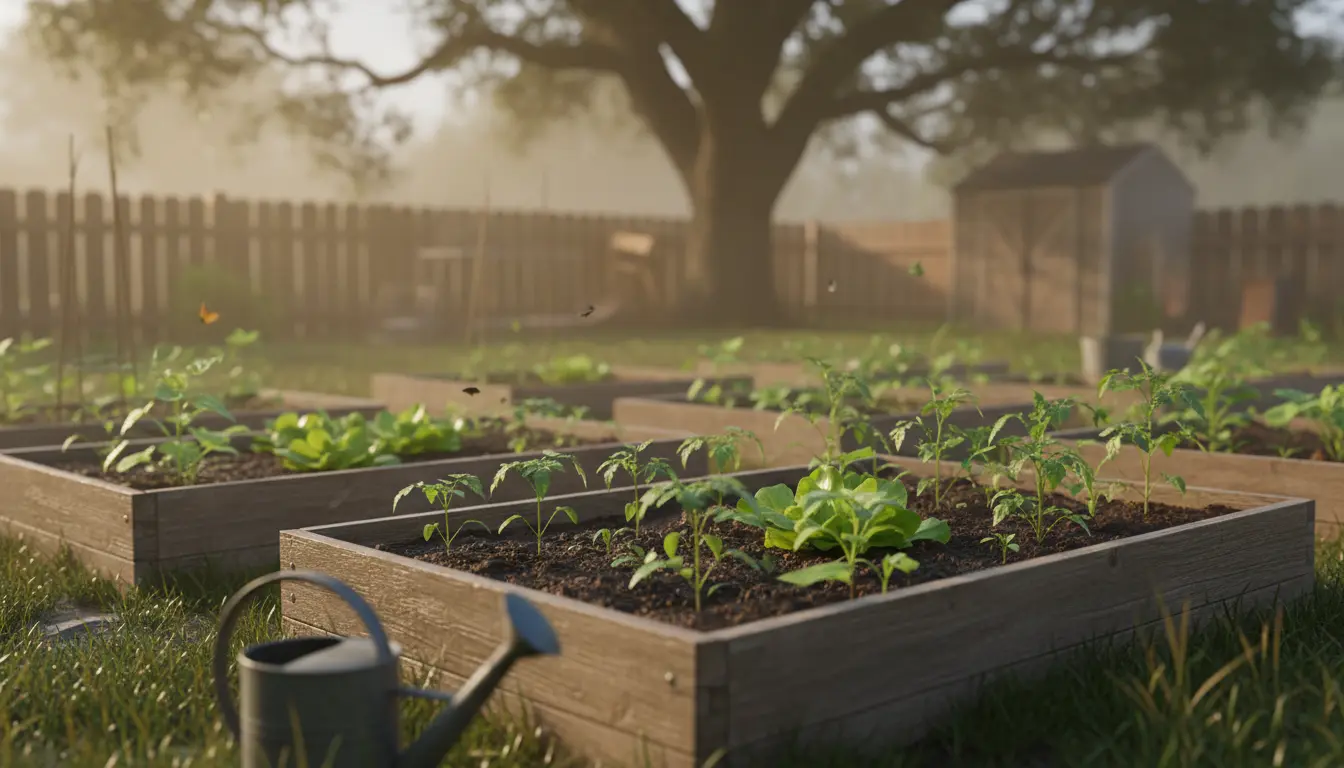
How to Start a Small Vegetable Garden
Starting a small vegetable garden is practical and affordable for most homeowners and renters. This guide explains planning, soil, planting, watering, pest control, and simple maintenance steps you can follow today.
Small Vegetable Garden Planning
Planning saves time and prevents mistakes when you start a small vegetable garden. Decide between in-ground beds, raised beds, or containers based on space, budget, and mobility needs.

Consider sunlight, water access, and easy paths for maintenance. Sketch a simple plan showing bed sizes and what you want to grow for the first season.
Choose the Right Location for a Small Vegetable Garden
Most vegetables need at least 6 hours of direct sun daily; tomatoes and peppers prefer 8 hours. Place beds where shade is minimal and access to a hose is convenient.
Avoid low spots that collect water, and keep beds at least 3 feet from fences or walls to improve airflow and reduce pest hiding spots.
Decide Between Raised Beds and Containers
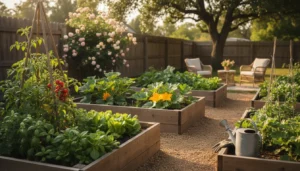
Raised beds provide better soil control, drainage, and ergonomic access. Containers are ideal for balconies, patios, or renters. Both work well for a small vegetable garden.
Typical raised bed size: 4 feet wide by 6–8 feet long. Container sizes vary: use 5–10 gallon pots for most vegetables.
Soil and Amendments for a Small Vegetable Garden
Good soil is the foundation of success when you start a small vegetable garden. Test soil pH and texture if possible, or assume neutral pH and supplement with compost.
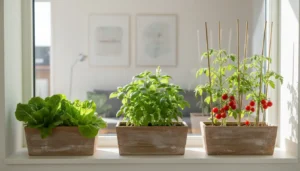
Mix 30–50% compost into existing soil for raised beds, or use a high-quality potting mix for containers. Add slow-release balanced fertilizer according to package directions.
Soil Mix Recipe for Raised Beds
- 40% topsoil or screened garden soil
- 40% compost (stable, well-aged)
- 20% coarse sand or coconut coir for drainage
This mix provides nutrients and structure for the first season and can be refreshed each year with more compost.
Choosing Vegetables for a Small Vegetable Garden
Select vegetables that match your climate, taste preferences, and space constraints. For small gardens, focus on high-yield, space-efficient crops.
Good beginner choices include leafy greens, radishes, bush beans, cherry tomatoes, peppers, and bush cucumbers.
Companion Planting Tips
Plant basil near tomatoes to improve flavor and deter pests. Marigolds can reduce some soil pests near root vegetables.
Rotate families each year to reduce disease buildup; for example, avoid planting nightshades (tomato, pepper) in the same spot consecutively.
Planting and Watering in a Small Vegetable Garden
Follow seed packet or plant tag spacing recommendations, but err on the side of slightly looser spacing to improve air circulation. Start seeds indoors for a head start on cooler seasons, or direct sow fast crops like lettuce and radish.
Water deeply and less frequently to encourage strong root systems. Aim for 1–1.5 inches of water per week, adjusted for rainfall and soil type.
Watering Techniques
- Soaker hoses or drip irrigation reduce disease and conserve water.
- Water in the morning to allow leaves to dry before evening.
- Mulch 2–3 inches around plants to retain moisture and suppress weeds.
Pest and Disease Management for a Small Vegetable Garden
Monitor plants weekly for pests and signs of disease. Early detection makes organic controls more effective and prevents spread.
Common steps include hand-picking pests, using insecticidal soap, and removing affected leaves. Encourage beneficial insects with diverse flowers and avoid broad-spectrum pesticides.
Maintenance and Harvesting
Keep beds weeded and mulched. Prune crowded foliage to increase airflow and reduce disease. Regularly harvest ripe vegetables to encourage continuous production.
Record which crops performed well and which struggled. This simple log helps improve planning for the next season.
Many vegetables like lettuce and radishes can be harvested in as little as 30 days, making them ideal for quick success in a small vegetable garden.
Simple Case Study: One-Season Small Vegetable Garden
Sarah had a 10×6 foot patch and built two 4×3 foot raised beds to start a small vegetable garden. She filled beds with a compost-rich mix and planted cherry tomatoes, two pepper plants, lettuce, and bush beans.
By mid-summer she harvested weekly lettuce, several pounds of cherry tomatoes, and multiple bean harvests. Minimal pest pressure and consistent watering produced reliable yields for her family.
Quick Checklist Before You Start a Small Vegetable Garden
- Choose location with 6–8 hours of sun and easy water access
- Decide bed type: raised beds or containers
- Prepare soil with compost and proper drainage
- Select 4–6 easy crops suited to your climate
- Install simple drip irrigation or a soaker hose
- Mulch and monitor for pests weekly
Final Tips When You Start a Small Vegetable Garden
Start small and expand as you gain experience. Focus on a few high-value crops you and your household will eat regularly. Keep notes and adjust based on results each season.
With modest effort and the right basics, a small vegetable garden can supply fresh produce, reduce grocery costs, and provide satisfying work outdoors.