
Why Start a Small Vegetable Garden at Home
Growing your own vegetables is practical and rewarding. A small vegetable garden can fit a balcony, patio, or a tiny yard and still produce fresh food.
This guide explains how to plan, set up, and maintain a compact garden with clear steps you can follow this weekend.
Plan Your Small Vegetable Garden

Successful gardens begin with simple planning. Decide what you want to grow, where the garden will be, and how much time you can commit each week.
Choose the right location
Most vegetables need at least 6 hours of direct sun. Observe sunlight patterns for a few days to pick the best spot.
If sunlight is limited, select leafy greens and herbs that tolerate partial shade.
Decide on ground beds or containers

Containers are ideal for balconies and small patios. Raised beds work well on compact yards and offer better drainage and soil control.
- Containers: Use pots or grow bags 10–20 inches deep for most vegetables.
- Raised beds: 8–12 inches of quality soil for roots to develop.
Prepare Soil for a Small Vegetable Garden
Good soil is the most important factor for productivity. In containers, use a commercial potting mix. For beds, mix compost into existing soil.
Soil mix and amendments
A balanced mix contains organic matter, good drainage, and nutrients. Add compost, well-rotted manure, or a controlled-release organic fertilizer.
Test soil pH if unsure. Most vegetables prefer pH 6.0–7.0.
Select Plants for a Small Vegetable Garden
Choose high-yield, space-efficient crops to maximize small areas. Think vertically and use succession planting to stretch harvests.
- Easy starters: lettuce, spinach, radishes, herbs (basil, parsley), cherry tomatoes, bush beans.
- Space savers: pole beans, indeterminate tomatoes, peas trained on trellises.
- Succession planting: plant new seeds every 2–3 weeks for a continuous harvest.
Companion planting tips
Place compatible plants together to reduce pests and improve growth. For example, plant basil near tomatoes to help flavor and deter pests.
Planting and Watering Routines
Plant at the right depth and spacing indicated on seed packets or plant labels. Overcrowding reduces yield and increases disease risk.
Watering basics for a small vegetable garden
Water consistently. Early morning is best to reduce evaporation and fungal issues. Aim for deep, infrequent watering rather than light daily misting.
Use drip irrigation or a soaker hose in beds and a watering can for containers to control moisture precisely.
Pest and Disease Management
Small gardens are easier to monitor, so check plants every few days. Early detection makes problems manageable without heavy chemicals.
- Inspect leaves for holes, discoloration, or sticky residue.
- Remove damaged leaves and use handpicking for larger pests like beetles.
- Use row covers or netting for insect protection when needed.
- Apply organic solutions like insecticidal soap or neem oil only when necessary.
Maintenance and Seasonal Care
Maintain a weekly routine: water, check for pests, pinch back excessive growth, and harvest regularly to encourage production.
Mulch around plants to retain moisture and suppress weeds. Replace or refresh container soil annually or when it becomes compacted.
Winter and off-season care
Clean up plant debris to reduce disease carryover. Consider cover crops or adding compost to beds to rebuild soil for next season.
Leafy greens like lettuce and spinach can produce harvestable leaves in as little as 4 weeks from sowing, making them excellent choices for quick returns in small gardens.
Small Real-World Example
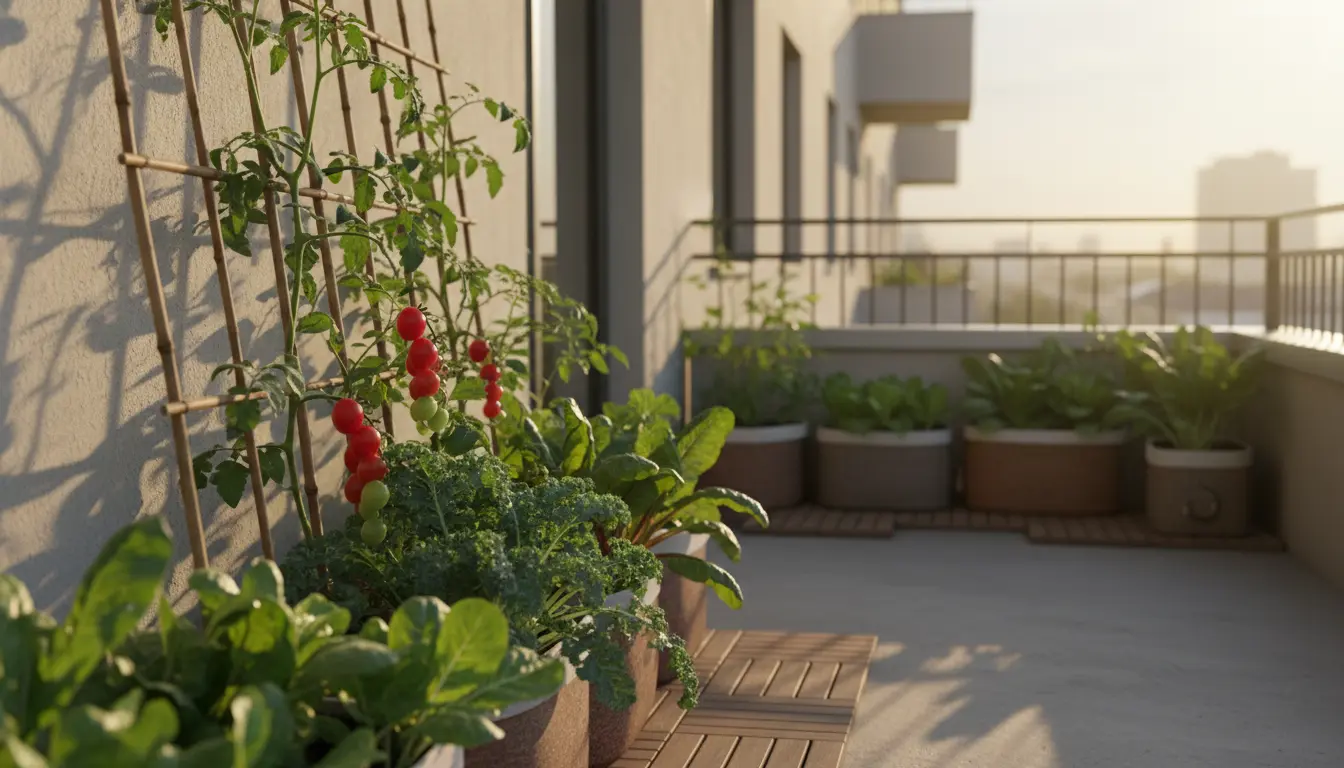
Case study: Maria, an apartment renter, started a small vegetable garden on a south-facing balcony. She used four 12-inch containers and a vertical trellis for cherry tomatoes and pole beans.
Her setup included mixed potting soil, slow-release organic fertilizer, and a simple drip line. In the first season she harvested salad greens weekly and eight pints of cherry tomatoes by midsummer.
This small investment in containers and soil provided fresh produce and reduced grocery bills while taking one hour per week to maintain.
Quick Checklist to Start a Small Vegetable Garden
- Pick a sunny spot and size your garden to available space.
- Choose containers or build a raised bed.
- Use quality soil and add compost.
- Select easy, high-yield crops and plan succession plantings.
- Set up a regular watering and maintenance schedule.
- Monitor pests and harvest often.
Final Tips for a Successful Small Vegetable Garden
Start small and expand as you gain confidence. Track what works and what doesn’t in a gardening journal.
With minimal tools and a consistent routine, a small vegetable garden can provide steady, fresh produce and a satisfying hobby.