
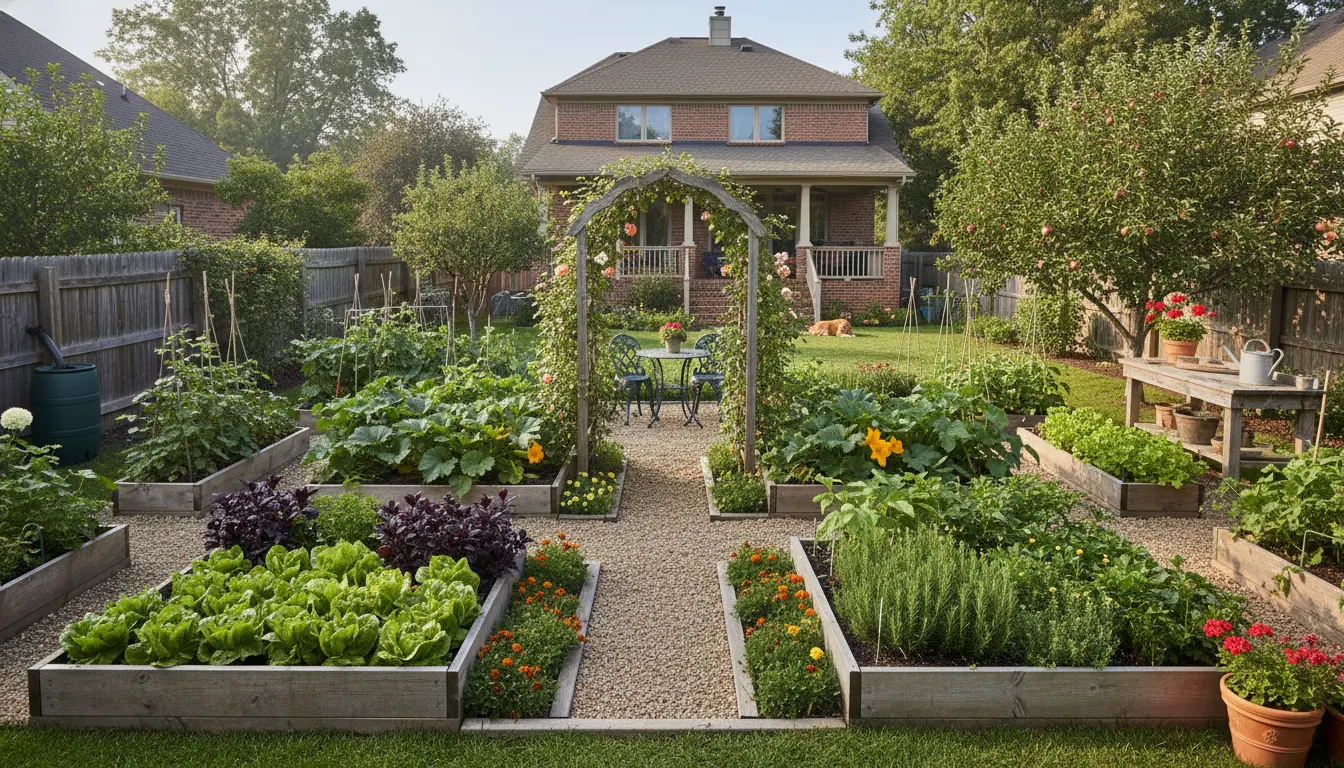
Why Start a Small Vegetable Garden
Growing a small vegetable garden gives you fresh produce in less space and with lower cost than a full-size plot. It fits balconies, patios, and tiny backyards while teaching practical gardening skills.
This guide shows simple, step-by-step actions to plan, plant, and maintain a productive small vegetable garden.
Planning Your Small Vegetable Garden

Good planning shortens the learning curve and improves yields. Start by assessing sunlight, space, and goals for what you want to grow.
Decide whether you will use containers, raised beds, or a small in-ground area. Each option affects soil, watering, and plant choice.
Assess Sunlight and Space
Most vegetables need 6–8 hours of direct sun. Track where sunlight falls through the day before committing to a location.
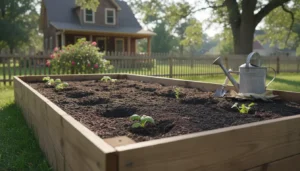
Measure available area and sketch a simple layout. Even a 3×3 foot space can support lettuce, herbs, and a few compact vegetables.
Choose What to Grow
Pick vegetables you and your household will eat and that fit small spaces. Quick wins build confidence and steady harvests.
- Leafy greens: lettuce, spinach, arugula
- Herbs: basil, parsley, chives
- Compact fruiting plants: patio tomatoes, dwarf peppers
- Root crops: radishes, baby carrots
Soil and Containers for a Small Vegetable Garden
Soil and container choices determine drainage, root health, and nutrient availability. Choose options that are easy to manage in small spaces.
For containers use quality potting mix, not garden soil. For raised beds use a well-draining garden mix amended with compost.
Container Size and Type
Select containers sized to the plant: herbs need 6–8 inch pots, tomatoes and peppers do better in 5–7 gallon pots. Use containers with drainage holes.
Consider self-watering planters for consistent moisture and reduce watering frequency for busy gardeners.
Soil Mix and Fertility
Mix equal parts high-quality potting mix and compost for containers. In ground or raised beds, blend compost into the top 6–8 inches of soil.
Feed vegetables with a balanced organic fertilizer according to package directions, or use slow-release pellets for less frequent feeding.
Planting and Care in a Small Vegetable Garden
Planting at the right time and caring consistently will keep plants productive. Follow spacing and depth recommendations on seed packets or plant tags.
Use succession planting to maximize harvests: sow quick crops like radishes or lettuce every few weeks for continuous yield.
Watering Best Practices
Water deeply and less frequently to encourage strong root growth. Early morning watering reduces evaporation and disease risk.
Check soil moisture by pressing a finger into the soil. If the top inch is dry, it’s time to water.
Support and Pruning
Provide stakes, cages, or trellises for vining and tall plants to save space and improve air circulation. Prune only when necessary to increase airflow.
Remove dead or diseased foliage promptly to prevent spread and improve overall plant health.
Pest and Disease Management for Small Vegetable Gardens
Small gardens can be managed without heavy chemicals by using prevention and monitoring. Early detection prevents minor issues from becoming severe.
Encourage beneficial insects like ladybugs and lacewings by planting flowers and herbs nearby.
Simple Organic Controls
- Hand-pick larger pests like slugs and caterpillars.
- Use insecticidal soap or neem oil for soft-bodied insects.
- Rotate crops and practice good sanitation to reduce disease pressure.
Harvesting and Storage
Harvest regularly to encourage continued production. Pick leafy greens when young and tender for best flavor.
Store harvested vegetables properly: cool and dry for root crops, refrigerate leafy greens after washing and drying.
Small Garden Case Study: Balcony Tomato Success
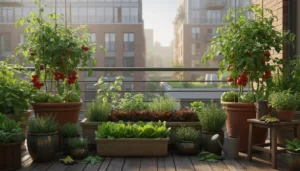
Maria had a south-facing balcony measuring 6 feet by 3 feet. She started with two 5-gallon containers and a railing planter for herbs.
By choosing a determinate patio tomato variety and using a high-quality potting mix with compost, she harvested tomatoes for three months with weekly fertilizing and consistent watering.
Lesson: Proper container size, variety selection, and steady care allowed a small space to yield abundant produce.
Quick Checklist for a Successful Small Vegetable Garden
- Assess sun exposure and choose the best location.
- Select plants suited for containers or compact spaces.
- Use quality potting mix and add compost for nutrients.
- Water deeply, early, and consistently; use self-watering options if needed.
- Monitor pests and diseases weekly and act quickly.
- Harvest regularly and practice succession planting.
Starting a small vegetable garden is a manageable project that returns fresh food, learning, and satisfaction. With basic planning and consistent care you can produce a surprising amount of food in limited space.