
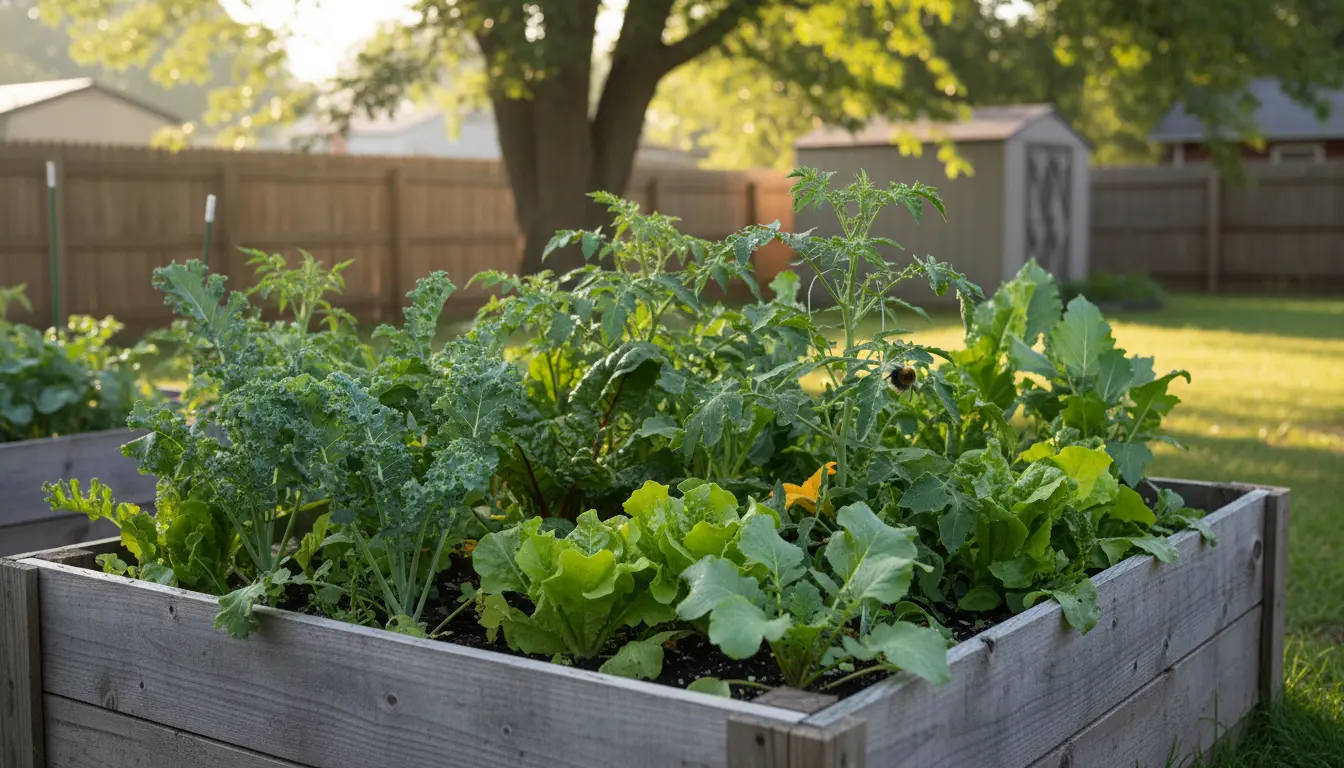
Why start a small vegetable garden
Starting a small vegetable garden brings fresh produce, saves money, and teaches practical skills. A compact plot can fit on a balcony, patio, or small yard and still yield useful amounts of vegetables.
Plan to Start a Small Vegetable Garden
Good planning shortens the learning curve and reduces wasted effort. Begin by listing what you want to grow and how much space you have.
Decide on the garden type to start a small vegetable garden
Choose between containers, raised beds, or an in-ground plot. Containers work well for herbs and lettuce, while raised beds offer better soil control for tomatoes and peppers.
Assess sunlight and access
Most vegetables need 6–8 hours of direct sun. Track sun patterns for a few days and pick a spot that gets consistent light. Also ensure easy access to water.
Prepare Soil and Containers
Healthy soil is the foundation of a productive small vegetable garden. If you use containers, choose a quality potting mix; for raised beds, build a blend of topsoil, compost, and a light mineral base.
Soil mix and pH for a small vegetable garden
A balanced mix contains organic matter and drains well. Aim for a slightly acidic to neutral pH (6.0–7.0) for most vegetables. Use a home test kit to check pH and amend if needed.
- Raised bed mix: 40% topsoil, 40% compost, 20% coarse sand or perlite
- Container mix: commercial potting soil plus added compost
- Improve soil gradually by adding compost each season
Choose Vegetables for a Small Space
Select compact or high-yield varieties suited to your climate and season. Consider fast-growing crops to maximize output in limited space.
Good beginner choices to start a small vegetable garden
- Lettuce and salad greens — quick harvests, fit in containers
- Radishes and baby carrots — fast and space-efficient
- Cherry tomatoes and bush beans — productive in small beds
- Herbs like basil, parsley, and chives — multi-use and compact
Planting and Spacing Tips
Follow seed packet or plant tag spacing but use vertical space when possible. Trellises, cages, and stacked planters expand growing area without enlarging your footprint.
Succession planting keeps harvests steady. Sow seeds or transplant every few weeks for crops like lettuce and radishes.
Watering and Feeding a Small Vegetable Garden
Consistent moisture is essential. Water deeply and less often to encourage strong roots. Containers dry faster, so check them daily in warm weather.
- Watering method: drip irrigation or soaker hoses reduce waste
- Fertilizer: use a balanced organic fertilizer every 3–4 weeks for heavy feeders
- Mulch: 2–3 inches of organic mulch retains moisture and suppresses weeds
Pest and Disease Management
Prevent problems with healthy plants, proper spacing, and clean tools. Monitor regularly and act early if pests appear.
Low-chemical options for a small vegetable garden
- Hand-pick larger pests like caterpillars and slugs
- Use row covers to protect seedlings from insects
- Apply insecticidal soap or neem oil for soft-bodied pests
Harvesting and Storage
Harvest vegetables at peak ripeness for best flavor and nutrition. Pick frequently to encourage continued production, especially for beans and tomatoes.
Store harvests properly: cool greens quickly, keep root crops in a cool dark place, and refrigerate tender vegetables.
One 4×8 foot raised bed can produce over 100 pounds of vegetables in a growing season if planted intensively and rotated smartly.
Simple Maintenance Schedule to Start a Small Vegetable Garden
- Daily: quick visual check for pests and moisture
- Weekly: water deeply, remove weeds, harvest ready crops
- Monthly: add compost or balanced fertilizer, inspect supports and irrigation
Case Study: A Small Backyard Raised Bed
Maria converted a 4×4 foot corner of her backyard into a raised bed using untreated lumber. She filled it with a homemade mix of topsoil and compost, then planted two tomato plants, a row of bush beans, and staggered lettuce.
With drip irrigation and a weekly check, Maria harvested tomatoes through summer and multiple lettuce cuttings. Her initial investment of about $120 in materials returned dozens of salads and saved on grocery bills.
Quick Checklist Before You Start a Small Vegetable Garden
- Confirm 6+ hours of sun or choose shade-tolerant plants
- Decide containers, raised bed, or ground plot
- Prepare soil and test pH
- Select 4–6 beginner-friendly plants
- Set up watering and mulch
Final Tips to Succeed
Start small and expand as you learn. Keep records of planting dates and varieties to improve each season. Most mistakes are fixable with observation and small adjustments.
With planning and simple care, you can start a small vegetable garden that provides fresh food and satisfaction year after year.