
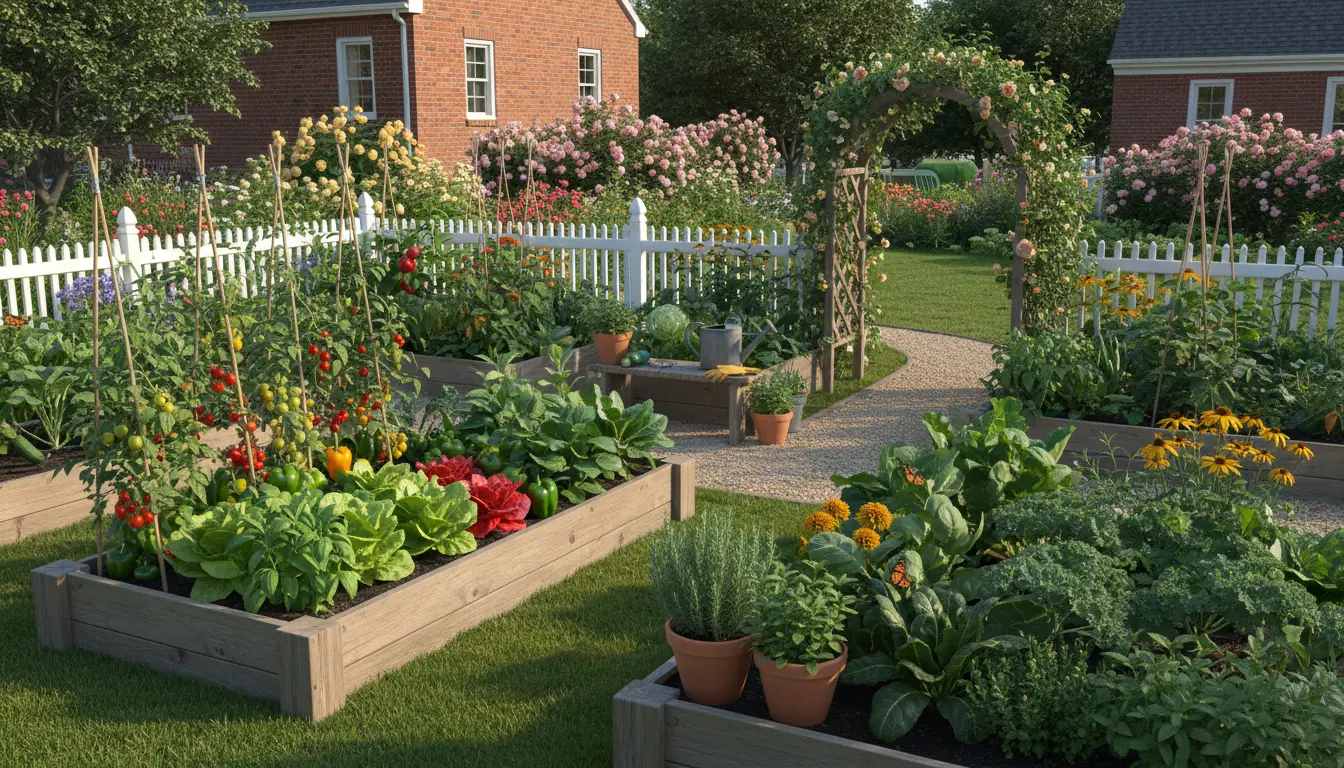
Starting a small vegetable garden is an achievable project for nearly any homeowner or renter. This guide gives clear, practical steps to plan, prepare, plant, and maintain a productive small vegetable garden.
Choose the Right Spot for a Small Vegetable Garden
Location determines how well your vegetables will grow. Pick a sunny area that gets at least 6 hours of direct sunlight daily.
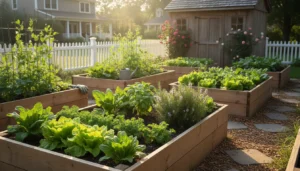
Consider water access, drainage, and proximity to pests like pets or wildlife. If space is limited, use containers or raised beds.
Sun, Soil, and Space
Sun: Most vegetables need 6–8 hours of direct sun. Observe the site for one day to confirm sunlight patterns.
Soil: Good soil is loose and drains well. If your soil is clay or compacted, raised beds or containers with a quality mix are ideal.
Plan What to Grow in a Small Vegetable Garden
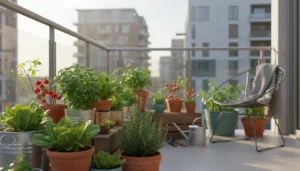
Choose plants that fit your space and eating habits. Focus on high-yield, space-efficient varieties to get more from less area.
Start with easy crops like lettuce, radishes, tomatoes, beans, and herbs.
- Leafy greens: Lettuce, spinach, Swiss chard
- Root crops: Radishes, carrots (short varieties)
- Fruit-bearing: Cherry tomatoes, peppers
- Climbers: Bush beans or trellised pole beans to save space
- Herbs: Basil, parsley, chives for flavor and pollinator attraction
Companion Planting and Succession
Use companion planting to maximize space and deter pests. For example, plant basil near tomatoes to improve flavor and reduce pests.
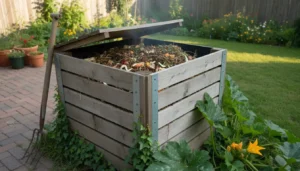
Practice succession planting: sow new rounds of quick crops like lettuce every 2–3 weeks for a continuous harvest.
Prepare Soil and Beds for a Small Vegetable Garden
Healthy soil is the foundation of a productive garden. Test and amend your soil before planting to ensure proper nutrient balance.
If using raised beds, fill them with a mix of topsoil, compost, and a lightweight soil amendment.
- Perform a basic soil test for pH and key nutrients.
- Add compost or well-rotted manure to improve structure and fertility.
- Work in organic matter to a depth of 8–12 inches for best root growth.
Soil Mix for Containers and Raised Beds
A good mix is roughly 60% topsoil, 30% compost, and 10% grit or perlite for drainage. Adjust ratios by plant needs.
Use seed-starting mix for germinating seeds; it is lighter and holds moisture without compacting.
Planting Tips for a Small Vegetable Garden
Follow seed packet instructions for spacing and depth. Crowding plants reduces airflow and increases disease risk.
Use vertical space: trellises, cages, and stakes triple productive capacity in a small footprint.
- Plant taller crops on the north side to avoid shading shorter ones.
- Group plants with similar water needs together for efficient irrigation.
- Thin seedlings early to the recommended spacing to ensure healthy growth.
Watering and Mulching
Water deeply and less frequently to encourage strong roots. Early morning is the best time to water.
Apply 2–3 inches of organic mulch to retain moisture, suppress weeds, and regulate soil temperature.
Using raised beds can warm soil faster in spring, allowing earlier planting and faster growth compared with in-ground beds.
Maintenance: Fertilizing, Pest Control, and Pruning
Regular maintenance keeps a small vegetable garden productive. Monitor plant health and act quickly when problems appear.
Use organic fertilizers like compost tea or balanced granular formulas during the growing season.
Common Pest and Disease Strategies
Encourage beneficial insects by planting flowers like marigolds and calendula. Handpick larger pests or use row covers for protection.
Rotate crops year to year to reduce soil-borne disease buildup in a confined space.
Harvesting and Extending the Season
Harvest regularly to encourage more production—pick leafy greens and herbs frequently, and harvest tomatoes when ripe for best flavor.
Use season extenders such as cloches, cold frames, or frost blankets to add weeks to the growing season.
Storing and Preserving
Fresh harvests can be eaten, shared, or preserved. Simple preservation methods include freezing, drying, and pickling.
Label and date preserved foods to manage your pantry and enjoy your garden harvest year-round.
Small Vegetable Garden Case Study
Case Study: Sarah transformed a 100 sq ft backyard corner into three raised beds (4 x 4 ft each) and a small trellis area.
She planted cherry tomatoes, bush beans, lettuce, radishes, and basil. With weekly compost applications and drip irrigation, she harvested fresh salad greens for four months and 30+ pints of cherry tomatoes the first season.
Key takeaways: start small, focus on high-value crops, and use vertical supports to increase yield.
Quick Checklist to Start a Small Vegetable Garden
- Pick a sunny, well-drained site near water.
- Decide between in-ground beds, raised beds, or containers.
- Test and amend soil; add compost.
- Choose easy, high-yield crops for your climate.
- Plant with spacing and vertical supports in mind.
- Water deeply, mulch, and monitor for pests.
- Harvest regularly and preserve surplus.
Starting a small vegetable garden is a practical way to grow fresh produce, reduce grocery bills, and learn sustainable habits. With planning and simple care, even a compact space can yield continuous, tasty results.