
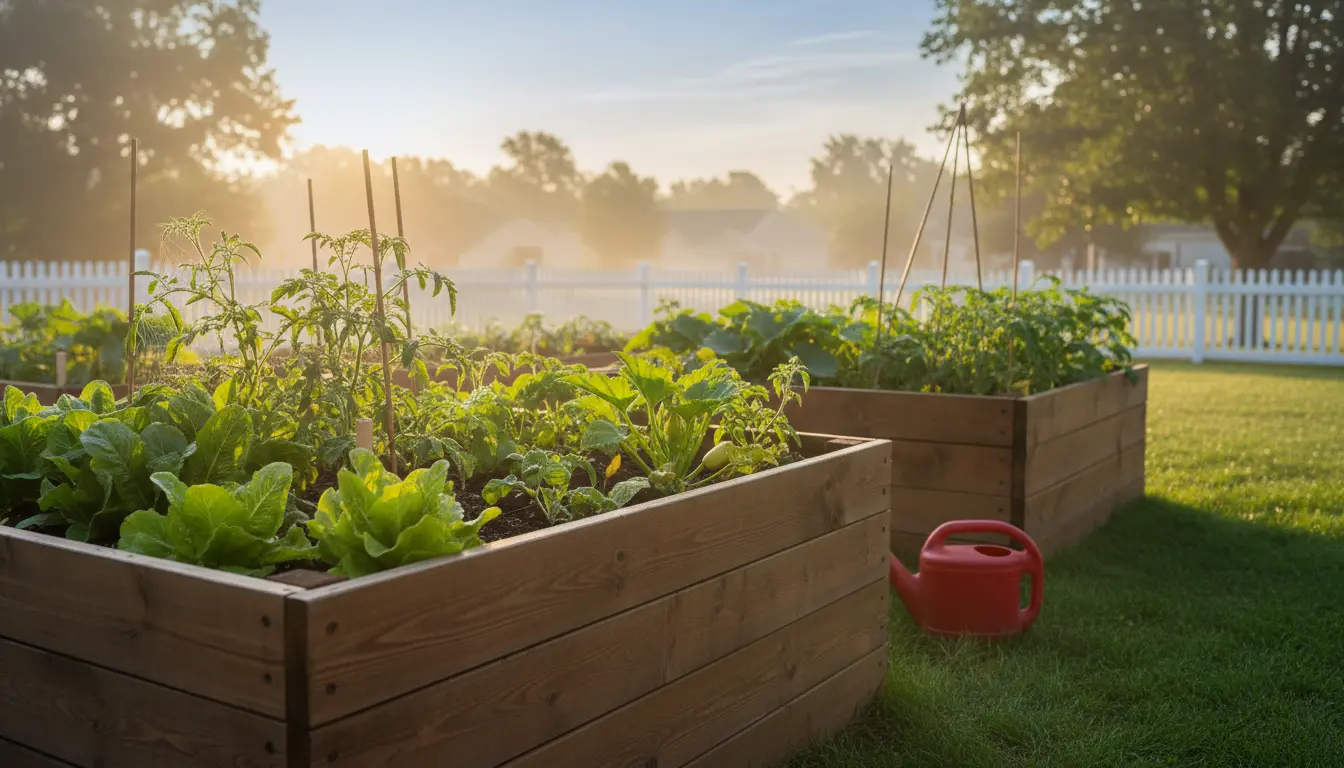
Starting a small vegetable garden is a practical way to grow fresh food at home, even with limited space. This guide walks you through planning, planting, and simple maintenance so you can get results in your first season.
How to Start a Small Vegetable Garden: Plan Your Garden
Good planning saves time and improves yields. First, decide whether you will use containers, raised beds, or a small plot in the ground.
Consider these factors when planning:
- Available sunlight — aim for 6+ hours of direct sun for most vegetables.
- Access to water — place the garden near a hose or rain barrel.
- Space and scale — start with a small, manageable area like one raised bed or several containers.
Choose the Right Location for a Small Vegetable Garden
Select a level spot that receives morning and midday sun. Avoid low areas that collect cold air or standing water.
If you only have shade, pick vegetables that tolerate lower light, such as leafy greens and herbs.
How to Start a Small Vegetable Garden: Prepare Soil and Containers
Healthy soil is the foundation of a productive garden. For in-ground beds, improve soil with compost and a balanced organic fertilizer.
For containers and raised beds, choose a high-quality mix that drains well and holds moisture.
- Raised bed mix: 60% topsoil/compost blend, 40% coarse compost or well-rotted manure.
- Container mix: equal parts compost, peat or coco coir, and perlite for drainage.
- pH testing: many vegetables prefer pH 6.0–7.0; adjust with lime or sulfur if needed.
Pots and Raised Bed Sizes
Choose container sizes based on crops: 5–10 gallon pots for tomatoes and peppers, shallow wide trays for lettuce and herbs.
Raised beds 3–4 feet wide make reaching plants easy and reduce soil compaction. A 4×8 foot bed is a common starter size.
How to Start a Small Vegetable Garden: Pick Easy Crops
Start with vegetables that are forgiving and fast to harvest. This builds confidence and delivers early results.
Good beginner crops include:
- Leafy greens: lettuce, spinach, arugula.
- Root crops: radishes, carrots (short varieties).
- Fruiting crops: cherry tomatoes, bush beans, peppers.
- Herbs: basil, parsley, mint (mint in a pot to prevent spreading).
Succession Planting for Continuous Harvests
Plant small amounts of fast growers every 2–3 weeks. This staggering keeps fresh produce available and avoids overloading your space.
How to Start a Small Vegetable Garden: Watering and Mulch
Consistent moisture is critical, especially for seeds and young plants. Water deeply but less frequently to encourage strong roots.
Use mulch to retain moisture and suppress weeds. Organic mulches like straw or shredded leaves also add nutrients as they break down.
- Mornings are best for watering to reduce disease risk.
- Soaker hoses or drip irrigation save water and keep foliage dry.
How to Start a Small Vegetable Garden: Pest and Disease Basics
Small gardens are easier to inspect regularly. Early detection limits damage and reduces the need for chemical controls.
Simple pest and disease practices:
- Rotate crops each season to reduce soil-borne problems.
- Encourage beneficial insects with flowering plants like alyssum or calendula.
- Remove diseased leaves promptly and dispose of them away from the garden.
Organic Control Options
Try handpicking slugs, using beer traps, or applying neem oil for soft-bodied pests. Insecticidal soaps can help with aphids on contact.
Radishes can be ready to harvest in as little as 3 to 4 weeks, making them an excellent quick win for new gardeners.
How to Start a Small Vegetable Garden: Maintenance and Harvesting
Weekly checks make upkeep manageable. Remove weeds, check soil moisture, and harvest ripe crops regularly to encourage more production.
Keep a simple garden log to track planting dates, varieties, and pest issues. This record helps you improve each season.
Simple Tools to Keep on Hand
- Hand trowel and pruners
- Garden fork or cultivator
- Watering can or hose with a gentle nozzle
Case Study: Small Backyard Raised Bed
Sarah converted a 4×8 foot corner of her yard into a raised bed using untreated cedar. She filled it with a mix of compost and garden soil and planted tomatoes, bush beans, and mixed salad greens.
In her first season she harvested weekly salads and 10–12 pounds of tomatoes from two determinate plants. Her key wins were regular watering, mulching, and planting fast-growing greens between slower crops.
Lessons learned: start smaller than you think, and plant a mix of quick and long-season crops to keep harvests steady.
How to Start a Small Vegetable Garden: Final Tips
Begin with a simple plan, healthy soil, and a few reliable plants. Expect a learning curve and treat the first season as practice.
With a small commitment of time, most people can harvest fresh vegetables and enjoy the benefits of homegrown food.
Ready to begin? Sketch your space, choose 3–5 starter crops, and prepare one bed or a few containers this weekend.