
Why Start a Small Vegetable Garden
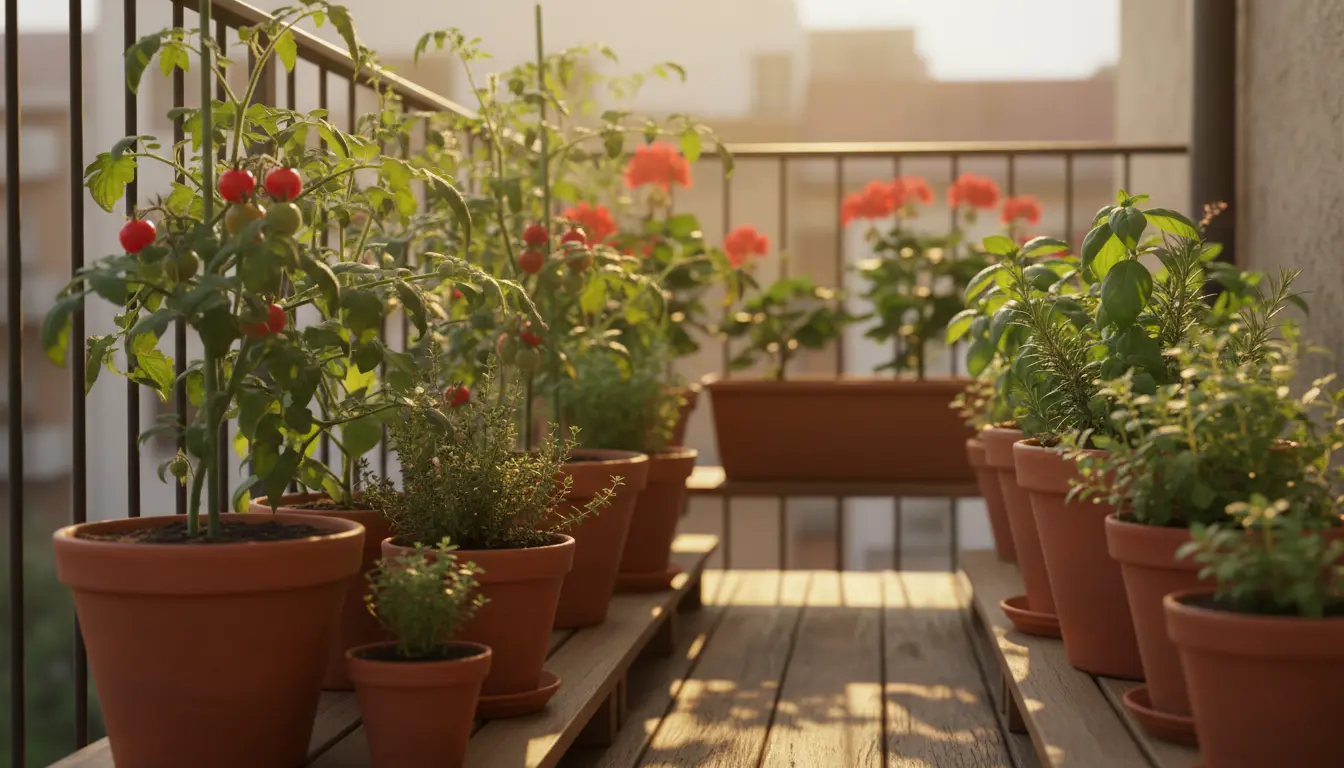
Growing a small vegetable garden is a realistic way to produce fresh food at home, even with limited space. It saves money, reduces food miles, and gives you better tasting produce.
This guide explains practical steps to plan, plant, and maintain a small vegetable garden. You can use containers, raised beds, or a compact patch in your yard.
Planning Your Small Vegetable Garden
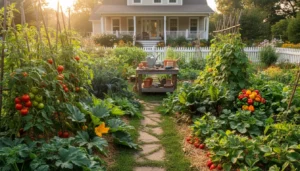
Planning makes a small vegetable garden productive and low-maintenance. Start by listing what you and your family eat most—tomatoes, salad greens, herbs, or peppers.
Decide how much time you can commit weekly. A small garden typically needs 30–60 minutes per week during the growing season.
Choose Your Growing Method
Match the growing method to your space and budget. Common options include containers, raised beds, and small in-ground plots.
- Containers: Good for balconies and patios; portable and low-cost.
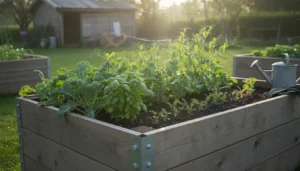
- Raised beds: Better soil control and drainage; ideal for small yards.
- In-ground plots: Best where soil is healthy and space allows.
Choosing Location and Soil for a Small Vegetable Garden
Sunlight is the most important factor for a small vegetable garden. Most vegetables need 6–8 hours of direct sunlight daily.
Test the sunlight pattern for a week before choosing the spot. If full sun isn’t available, pick vegetables that tolerate partial shade.
Soil and Containers
Use a quality potting mix for containers and amend garden soil with compost for raised beds. Good soil holds moisture but drains well.
- Container mix: A blend of peat, coir, compost, and perlite.
- Raised bed soil: Topsoil mixed with compost and a small amount of sand for drainage.
- pH testing: Aim for 6.0–7.0 for most vegetables.
Best Vegetables for a Small Vegetable Garden
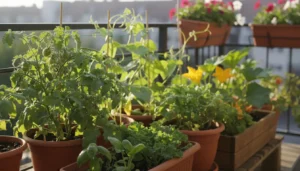
Pick crops that are compact, high-yield, and quick to harvest. This increases satisfaction and makes the most of limited space.
- Leafy greens: Lettuce, spinach, Swiss chard—harvest progressively.
- Herbs: Basil, parsley, cilantro—great in pots and frequent use.
- Tomatoes: Choose determinate or patio varieties for containers.
- Peppers and radishes: Compact and fast-growing.
Planting, Watering, and Feeding Your Small Vegetable Garden
Follow seed packet or plant label spacing and depth. Overcrowding reduces airflow and increases disease risk.
Water regularly and deeply. Containers dry out faster than beds, so check soil moisture every day in hot weather.
Fertilizing
Use a balanced, slow-release fertilizer at planting, and supplement with liquid feed every 3–4 weeks for heavy feeders like tomatoes. Compost tea or diluted fish emulsion works well.
Pest and Disease Management for Small Vegetable Gardens
Monitor plants weekly to catch pests early. Many issues can be resolved with mechanical control or low-toxicity methods.
- Hand-pick larger pests like beetles and caterpillars.
- Use insecticidal soap or neem oil for soft-bodied pests.
- Rotate crops annually to reduce soil-borne disease.
Companion Planting and Natural Defenses
Planting marigolds, nasturtiums, or basil near vegetables can deter pests and attract beneficial insects. Mulch helps retain moisture and suppress weeds.
Harvesting and Seasonal Care in a Small Vegetable Garden
Harvest vegetables when they reach peak flavor. Frequent harvesting of herbs and greens encourages new growth.
At season end, remove spent plants, add a layer of compost, and plan cover crops or winter mulch to protect soil.
Tomatoes can produce fruit within 60–90 days from transplant for many compact varieties, making them ideal for small vegetable gardens.
Quick Practical Checklist for a Small Vegetable Garden
- Choose a sunny site with 6–8 hours of sun.
- Select compact or fast-maturing varieties.
- Use quality soil or potting mix and add compost.
- Water deeply and check moisture frequently.
- Monitor for pests and harvest regularly.
Small Real-World Case Study: Maria’s Balcony Small Vegetable Garden
Maria had a shaded apartment balcony but managed to grow a productive small vegetable garden in 6 medium pots. She chose baby Roma tomatoes, basil, spinach, and dwarf peppers.
She followed a schedule: watering every other day, feeding with liquid fertilizer every 3 weeks, and harvesting leaves weekly. By mid-summer, Maria harvested enough salad greens for two people twice a week and several pints of cherry tomatoes.
Key results: low cost setup under $120, minimal time (30 minutes weekly), and fresh produce that reduced grocery trips by 25% for salad items.
Final Tips for a Successful Small Vegetable Garden
Start small and expand after one season. Track what works and what doesn’t to refine your plant choices and layout.
Keep a simple journal of planting dates, varieties, and harvest yields to improve next season’s success. Small, consistent care yields the best results in a limited space.