
Overview: Why a Small Vegetable Garden
Starting a small vegetable garden is a practical way to grow fresh food, save money, and learn basic growing skills. You do not need much space to get consistent harvests when you plan well and choose the right crops.
Plan Your Small Vegetable Garden
Good planning reduces wasted time and effort. Start by deciding where the garden will go, what you want to grow, and how much time you can commit to maintenance.
Choose the Right Location for a Small Vegetable Garden
Vegetables usually need 5–8 hours of sunlight daily. Observe potential sites for a few days to confirm sun patterns. Ensure easy access to water and a flat or gently sloped area to avoid pooling.
Decide Between Containers and Raised Beds
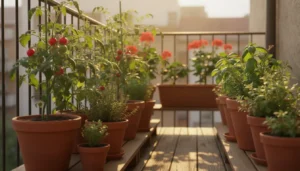
Small gardens can be in containers, raised beds, or a narrow in-ground plot. Containers are best for patios and balconies. Raised beds help when soil quality or drainage is poor.
- Containers: flexible and low cost, suitable for herbs, lettuce, cherry tomatoes.
- Raised beds: better root space, easier weed control, good for carrots, beans, peppers.
- In-ground: cost-effective if soil is healthy and space allows.
Soil and Soil Care for a Small Vegetable Garden
Healthy soil is the most important factor for reliable crops. Aim for a loose, nutrient-rich mix with good drainage.
Build Good Soil With Compost
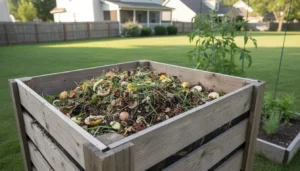
Mix compost into the top 6–8 inches of soil for raised beds or containers. Use a 60:40 ratio of quality topsoil to compost for most raised beds. Containers benefit from a ready-made potting mix plus a bit of compost.
Test and Amend Where Needed
Home soil tests are inexpensive and tell you pH and major nutrient levels. Most vegetables prefer a pH between 6.0 and 7.0. Add lime to raise pH or sulfur to lower it, following product instructions.
Choose Vegetables for a Small Vegetable Garden
Select crops that match your climate, taste, and space. For small spaces, prioritize high-yield, compact varieties and quick growers.
- Fast and reliable: lettuce, radishes, spinach.
- Compact fruiting: patio tomatoes, bush beans, compact peppers.
- Multi-harvest crops: herbs (basil, parsley), green onions, kale.
Companion Planting Tips
Plant compatible crops together to save space and reduce pests. For example, plant basil near tomatoes to potentially improve flavor and repel some insects.
Watering and Maintenance
Consistent watering is more important than frequent soaking. Aim to keep soil evenly moist, not waterlogged.
Efficient Watering Methods
Use drip irrigation or soaker hoses for raised beds to conserve water and direct moisture to roots. For containers, water when the top inch of soil feels dry.
- Morning watering reduces disease risk.
- Mulch with straw or wood chips to retain moisture and suppress weeds.
- Feed plants with balanced fertilizer every 3–4 weeks during the growing season.
Pest and Disease Basics for a Small Vegetable Garden
Keep pests and diseases manageable through regular inspection and simple preventive actions. Early action is easier and less toxic than later remedies.
Natural Control Options
Introduce physical barriers like row covers for young plants and handpick larger pests. Encourage beneficial insects with flowering companion plants.
When to Use Organic Treatments
Use neem oil, insecticidal soap, or Bacillus thuringiensis (Bt) against specific pests if prevention fails. Always follow label directions and treat selectively to avoid harming beneficials.
Harvesting and Succession Planting
Harvest when crops reach recommended size to encourage more production. For leafy greens, cut outer leaves and allow inner leaves to continue growing.
Succession Planting for Continuous Harvests
Stagger sowing dates for quick crops like lettuce and radishes every 2–3 weeks to maintain a steady supply. Replace finished crops with new plantings during the season.
Many common vegetables like lettuce, radishes, and spinach can be harvested in as little as 4 weeks from sowing, making them ideal for small-space gardeners who want quick results.
Small Real-World Example
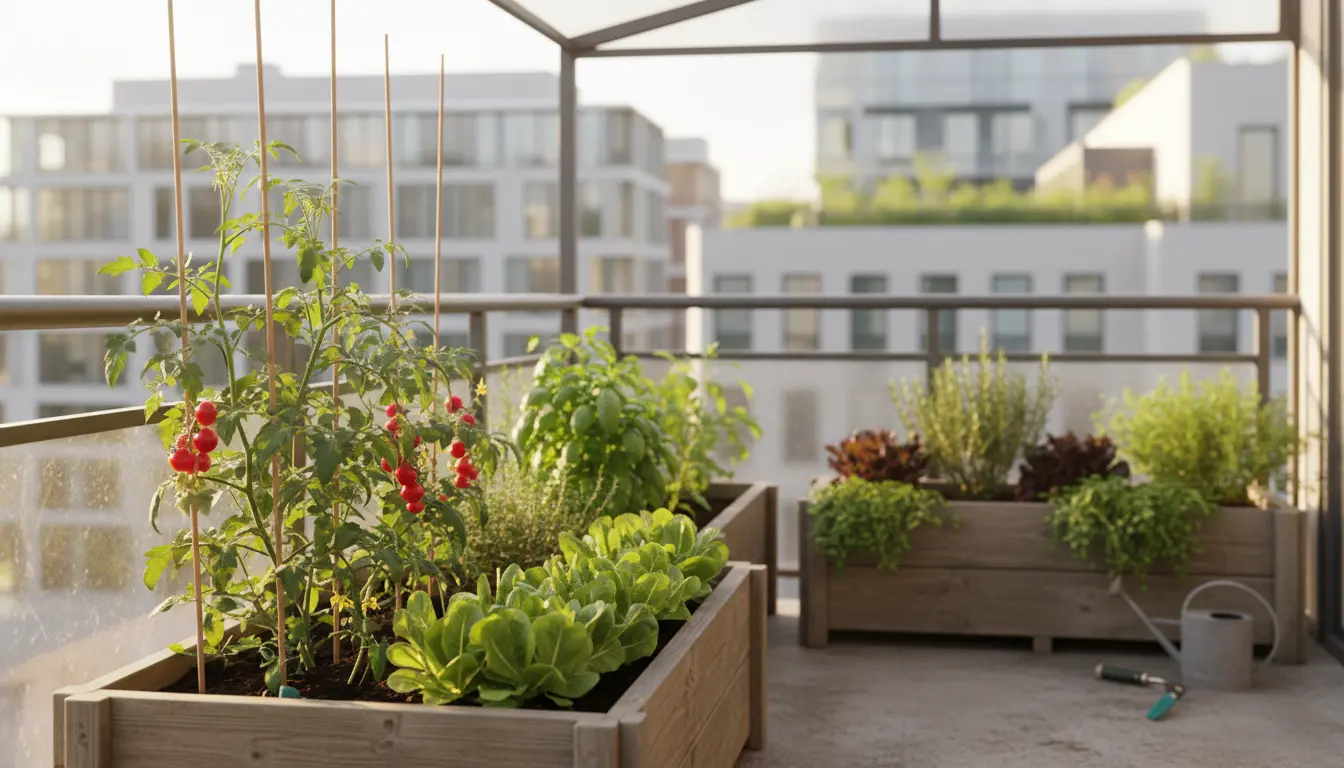
Case study: A city renter used two 12-inch deep raised planters on a sunny balcony to grow cherry tomatoes, basil, and lettuce. By using a well-draining potting mix and drip tubes, they harvested salad greens weekly and a steady supply of cherry tomatoes through summer.
This gardener saved money on produce and reported that focused daily checks for watering and pests cut losses to nearly zero. The key was choosing compact varieties and keeping soil health high with monthly compost tea.
Quick Checklist to Start a Small Vegetable Garden
- Select a sunny location with water access.
- Choose containers or raised beds sized to your space.
- Prepare or buy quality soil and add compost.
- Pick compact, fast-growing vegetable varieties.
- Set up simple watering and mulch to conserve moisture.
- Inspect weekly for pests and harvest regularly.
Final Tips for Success
Keep records of what you planted, when, and how it performed. Small adjustments between seasons will improve yields and make future planning easier.
Start small, focus on a few reliable crops, and expand as you gain confidence.