
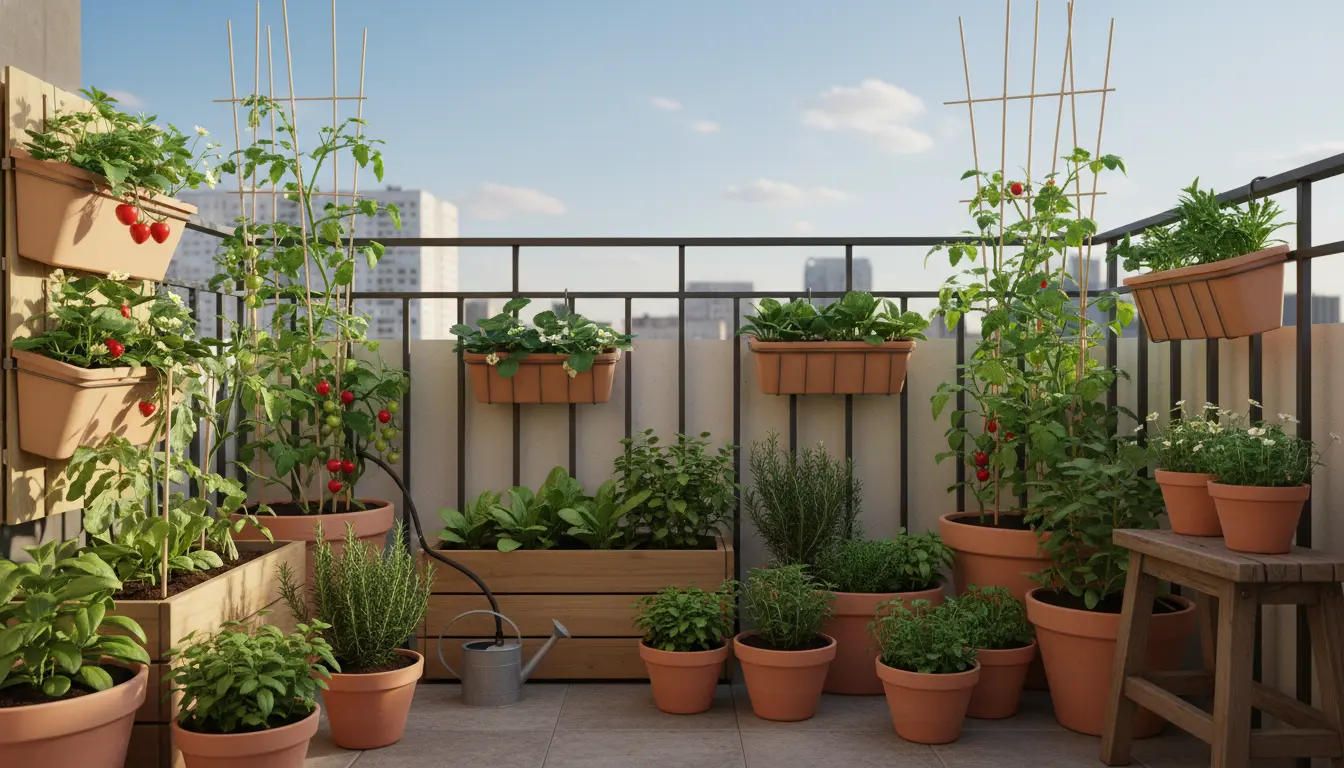
Starting a small vegetable garden is a realistic way to grow fresh food, save money, and enjoy a hands-on hobby. This guide walks through practical steps you can follow whether you have a backyard, balcony, or small plot.
Why choose a small vegetable garden
A small vegetable garden is easier to manage, requires less water, and fits into urban spaces. It also helps new gardeners see results quickly, which keeps motivation high.
Focus on easy crops to build confidence, like lettuce, radishes, herbs, and cherry tomatoes. These crops adapt well to limited space and shorter care routines.
How to start a small vegetable garden: planning and preparation
Good planning reduces problems later. Start by assessing light, space, and water access before planting.
Follow these quick planning steps:
- Measure available space and observe sunlight for 3–4 days.
- Decide between ground beds, raised beds, or containers.
- Choose 3–6 easy vegetables to begin with—too many varieties increase work.
Choose the right location for a small vegetable garden
Vegetables need at least 4–6 hours of direct sunlight; more is better for fruiting plants. South- or west-facing spots typically receive the most sun.
If sunlight is limited, prioritize leafy greens and herbs, which tolerate partial shade. Place containers where you can move them if necessary.
Soil and containers for a small vegetable garden
For ground or raised beds, aim for loose, well-draining soil. Mix in compost to improve fertility and structure. A 50/50 mix of good topsoil and compost works well.
For container gardens, use a high-quality potting mix rather than garden soil. Ensure containers have drainage holes and are large enough for mature plants.
How to start a small vegetable garden: planting and crop choices
Choose crops based on space, season, and your eating habits. Fast-growing vegetables give quick rewards and help you learn faster.
Beginner-friendly picks include:
- Lettuce and salad greens – harvest leaves regularly.
- Radishes – mature in 3–5 weeks.
- Spinach and Swiss chard – tolerate cooler weather.
- Cherry tomatoes and peppers – productive in containers with full sun.
- Herbs like basil, parsley, and chives – low maintenance and useful in cooking.
When to plant in a small vegetable garden
Use your local last frost date to time planting. Cool-season crops go in early spring or fall, while warm-season crops need after-frost warmth.
Stagger plantings of leafy greens every 2–3 weeks for a continuous harvest. This extends your yield without expanding space.
Care and maintenance for a small vegetable garden
Routine care keeps the garden productive and reduces pest pressure. Spend short daily or every-other-day checks to catch issues early.
Key maintenance tasks include:
- Watering: keep soil consistently moist; deep watering once or twice a week is better than light daily watering.
- Weeding: remove weeds to reduce competition and pests.
- Feeding: apply compost or a balanced organic fertilizer according to crop needs.
- Pruning and support: stake tomatoes and remove dead leaves to improve airflow.
Pests and common problems in a small vegetable garden
Watch for aphids, slugs, and fungal spots. Use simple controls: handpick pests, use barriers, and water early in the day to reduce leaf wetness.
Crop rotation and diverse planting help reduce disease buildup in small spaces. Avoid planting the same family in the same spot year after year.
Container-grown tomatoes can produce comparable yields to ground-planted varieties when given adequate water, support, and a 5-gallon pot or larger.
Small real-world example: balcony vegetable garden case study
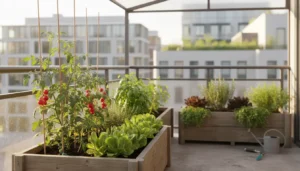
Case: Sara, an apartment dweller, converted a sunny 6-foot balcony into a small vegetable garden using six 10-inch containers. She planted two cherry tomato plants, two basil pots, one mixed salad green container, and one pot of radishes.
In her first season Sara spent about 4 hours per week on watering, harvesting, and light pruning. By week 10 she harvested regular salad greens and weekly batches of cherry tomatoes, saving roughly $20–30 a month compared to store-bought produce.
Lessons learned: choose correct container sizes, rotate salad greens to extend harvest, and water consistently to prevent blossom drop on tomatoes.
Simple timeline to start a small vegetable garden
- Week 1: Select location, buy containers/soil, and plan crops.
- Week 2: Prepare beds or fill containers with potting mix and compost.
- Week 3: Sow seeds or transplant seedlings for cool-season crops.
- Week 4–8: Maintain, thin seedlings, and begin first harvests of radishes and greens.
Final tips for a successful small vegetable garden
Start small, learn by doing, and build on success. Keep a short journal of plant dates and harvests so you can refine timing for next season.
Join local gardening groups or online forums to share experiences and swap seeds. Small adjustments across seasons lead to steady improvement and better yields.
With basic planning, the right crops, and regular care, you can enjoy fresh vegetables from a small vegetable garden even in limited space. Begin with a simple setup and expand as you gain confidence.