
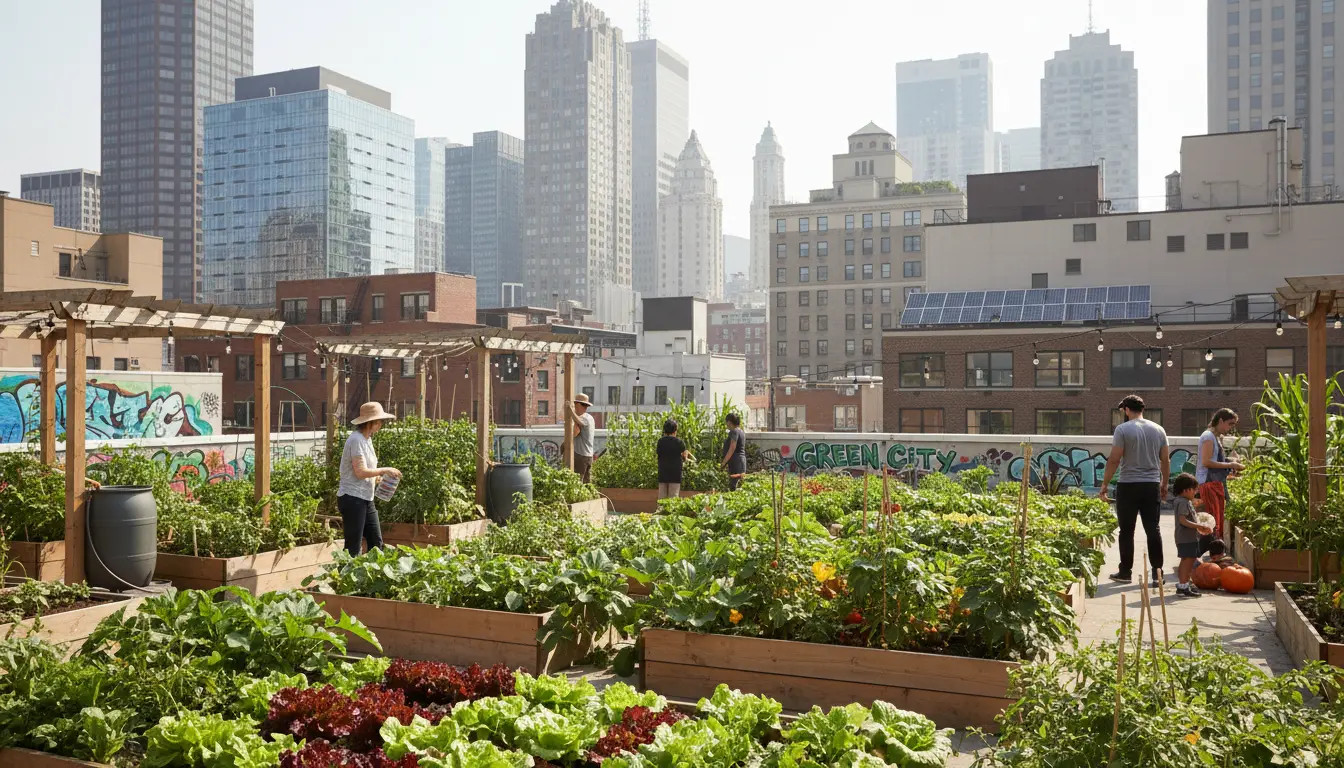
Why a Small Vegetable Garden Works
A small vegetable garden is easy to manage and affordable to start. It fits balconies, small yards, and community plots while still producing fresh food.
Starting small helps you learn seasonal cycles, soil care, and watering without feeling overwhelmed. This guide explains practical steps to plan and maintain a productive small vegetable garden.
Choose the Right Location for a Small Vegetable Garden
Sunlight is the most important factor for a small vegetable garden. Most vegetables need at least 6 hours of direct sun each day.
Select a site with good drainage and easy access to water. Placing your garden near the house saves time and encourages daily care.
Sun and Shade Tips
Observe the chosen site for a full day to track sun patterns. Note morning versus afternoon sun; some crops tolerate partial shade well.
Use taller plants or trellises on the north side to avoid shading lower crops in small spaces.
Plan Your Small Vegetable Garden Layout
Plan raised beds or containers for better soil control and drainage. A typical small garden can be a single 4×8 or multiple 2×4 beds.
Map the layout before planting to maximize space and companion planting benefits. Keep paths narrow to increase planting area.
- Standard raised bed: 4×8 feet — easy to reach from either side.
- Square foot gardening: divides beds into 1-foot squares for dense planting.
- Containers: use on patios or balconies for herbs, tomatoes, and peppers.
What to Plant First in a Small Vegetable Garden
Start with easy, fast-yielding vegetables to build confidence. Consider lettuce, radishes, bush beans, and cherry tomatoes.
Prioritize high-value crops you eat often. Herbs like basil and parsley are space-efficient and useful in the kitchen.
Prepare Soil for a Small Vegetable Garden
Good soil is the foundation of a productive small vegetable garden. Test soil pH if possible; most vegetables prefer pH 6.0–7.0.
Add compost and well-rotted organic matter to improve texture and fertility. For raised beds or containers, use a mix of topsoil, compost, and a light amendment like perlite for drainage.
Soil Preparation Steps
- Clear the area of weeds and grass.
- Loosen the soil to a depth of 8–12 inches for bed planting.
- Mix in 2–4 inches of compost and a balanced organic fertilizer if needed.
- Mulch after planting to conserve moisture and suppress weeds.
Watering and Irrigation for Small Vegetable Gardens
Consistent moisture is critical, especially in a small garden where soil volume is limited. Water deeply and less frequently to encourage strong roots.
Drip irrigation or soaker hoses are efficient for raised beds and conserve water. Water early in the day to reduce disease risk.
Watering Frequency
- Seedlings: keep soil evenly moist until established.
- Established plants: water 1–3 times per week depending on weather and soil type.
- Containers: may require daily watering in hot weather.
Planting and Maintenance Tips for a Small Vegetable Garden
Sow seeds at the correct depth and follow spacing recommendations to avoid overcrowding. Thinning improves air circulation and yields.
Rotate crops each season to reduce pests and nutrient depletion. Keep a simple planting log to track what worked and where.
- Use stakes or cages for vining crops like tomatoes and cucumbers.
- Inspect plants weekly for pests and signs of disease.
- Remove dead foliage and harvest regularly to encourage production.
Pest and Disease Management in a Small Vegetable Garden
Integrated pest management (IPM) is practical for small gardens. Start with physical barriers, close monitoring, and beneficial insects.
Use row covers early in the season to protect young plants from insects and birds. Apply organic or targeted treatments only when necessary.
Common Problems and Quick Fixes
- Aphids: spray with water or use insecticidal soap.
- Powdery mildew: improve air flow and reduce overhead watering.
- Slugs: use beer traps or hand-pick at dusk.
Many common salad greens can be harvested within 30 days of sowing. Quick turnovers allow several plantings per season in a small vegetable garden.
Small Vegetable Garden Case Study
Case: A 10×10 raised bed on an urban lot produced reliable yields for a novice gardener over one growing season. The gardener used compost-amended soil and drip irrigation.
Results: From one season they harvested about 40 pounds of tomatoes, 20 pounds of greens, and regular supplies of herbs. The compact layout reduced maintenance time to 30 minutes most days.
Key success factors were consistent watering, mulching, and selecting compact varieties suited to the space.
Seasonal Planning and Succession Planting
Plan for succession planting to maintain continuous harvests. After an early crop finishes, clear the bed and sow a second crop suited to the season.
Keep a calendar of frost dates and sowing windows. Quick crops like radishes and leaf lettuce can bridge the gap between main plantings.
Final Checklist to Start a Small Vegetable Garden
- Choose a sunny site near water.
- Decide on raised beds or containers.
- Amend soil with compost and test pH if possible.
- Select easy, high-value crops for your first season.
- Set up efficient watering like drip lines or soaker hoses.
- Monitor pests weekly and use IPM practices.
Starting a small vegetable garden is a practical, low-cost way to grow food and learn sustainable garden practices. Begin with modest goals, track what you learn, and expand slowly as you gain confidence.