
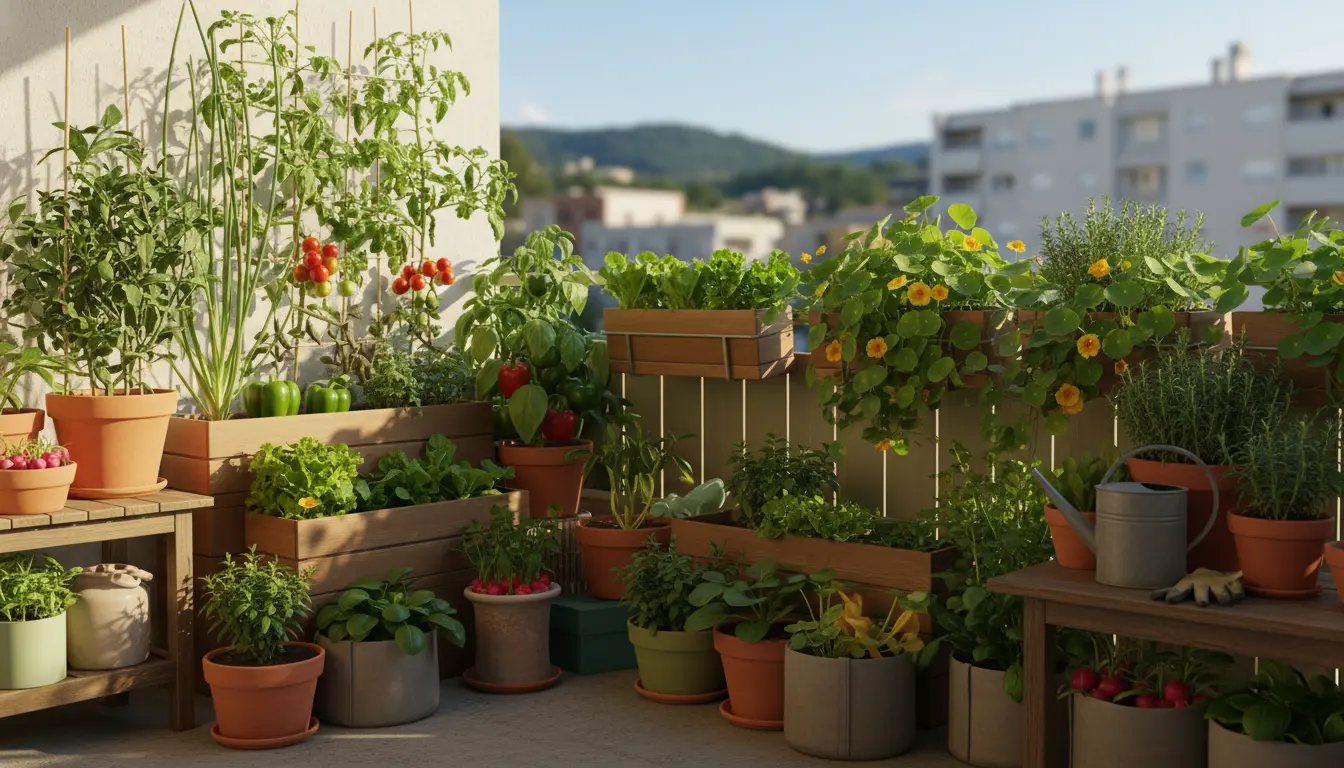
Starting a small vegetable garden at home is an achievable way to grow fresh food, save money, and enjoy a hands-on hobby. This guide gives clear, practical steps you can follow whether you have a tiny balcony, a small backyard, or a few raised beds.
Why Start a Small Vegetable Garden
A small vegetable garden fits limited space and time while yielding noticeable results. It requires less work than a large plot and makes pest and soil management easier.
Benefits include fresher produce, better flavor, and greater control over chemicals and fertilizers. You also gain seasonal variety and a rewarding routine.
Plan Your Small Vegetable Garden
Good planning prevents wasted time and plants. Begin by assessing light, space, and time available each week for maintenance.
Assess Light and Location for a Small Vegetable Garden
Most vegetables need 6–8 hours of direct sunlight daily. Observe the location for sun patterns across several days. South- or west-facing spots are ideal in most climates.
If sunlight is limited, choose shade-tolerant crops like leafy greens, herbs, or radishes.
Choose Containers or Beds
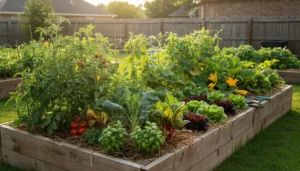
Decide between in-ground beds, raised beds, or containers. Containers are best for balconies and patios. Raised beds warm faster and drain well.
- Containers: use 5–10 gallon pots for tomatoes and peppers.
- Raised beds: 4×4 or 3×6 feet are manageable sizes.
- In-ground: amend soil with compost and test drainage.
Soil and Fertility for a Small Vegetable Garden
Good soil is the foundation of a productive small vegetable garden. Aim for loose, fertile, well-draining soil rich in organic matter.
Soil Mix and Compost
For containers and raised beds, mix quality topsoil with compost and a small amount of perlite or coarse sand for drainage. A common ratio is 60% topsoil, 30% compost, 10% drainage amendment.
Topdress beds with compost each season to replenish nutrients and improve soil structure.
Choose Easy Crops for Your Small Vegetable Garden
Beginners should start with reliable, fast-growing vegetables. These give quick wins and build confidence.
- Leafy greens: lettuce, spinach, arugula
- Root crops: radishes, baby carrots
- Nightshades: cherry tomatoes, peppers (container-friendly)
- Herbs: basil, parsley, chives
Crop Timing and Succession Planting
Use succession planting to keep harvests steady. Plant a new row or another container of lettuce every 2–3 weeks for a continuous supply.
Check local frost dates and plant accordingly. Many vegetables can be started indoors to extend the season.
Watering and Maintenance
Water consistently to avoid stress and bolting. Most small vegetable gardens need 1–1.5 inches of water per week, adjusted for weather.
Watering Tips
- Water in the morning to reduce disease risk.
- Use drip irrigation or soaker hoses for efficiency.
- Mulch around plants to retain moisture and suppress weeds.
Pest and Disease Management in a Small Vegetable Garden
Integrated pest management works well in small gardens. Start with prevention, then use targeted controls if problems appear.
- Rotate crops to reduce soil-borne diseases.
- Inspect plants regularly for pests and remove by hand when practical.
- Use row covers to protect young plants from insects.
Organic Options
Soap sprays, neem oil, and biological controls like ladybugs can manage many common pests without harsh chemicals. Read labels and apply carefully.
Planting marigolds near tomatoes can help reduce certain soil nematodes and repel some insect pests in a small vegetable garden.
Harvesting and Storage
Harvest vegetables at peak ripeness for best flavor. Frequent harvesting often encourages more production, especially with lettuces and herbs.
Store produce properly: chill herbs and leafy greens quickly, keep root crops in a cool, dark place, and use tomatoes at room temperature for best taste.
Small Vegetable Garden Case Study
Emma had a 6-foot balcony and wanted year-round greens. She installed two 18-inch deep containers and a 3×2 foot raised bed. Her first season included cherry tomatoes, basil, leaf lettuce, and radishes.
She followed a watering schedule, used homemade compost, and added mulch. In three months she harvested 12 pints of cherry tomatoes and several weeks of salad greens, reducing her grocery bill by about $25 per month. Pests were minimal after she introduced floating row covers early in the season.
This small effort gave Emma fresh produce, learning, and a relaxing outdoor routine.
Quick Checklist to Start a Small Vegetable Garden
- Choose a sunny location and measure your space.
- Select containers or build a raised bed.
- Mix soil with compost and drainage material.
- Pick easy crops suited to your light and season.
- Water regularly and mulch to conserve moisture.
- Inspect for pests and rotate crops yearly.
- Harvest frequently and enjoy your produce.
Starting a small vegetable garden requires basic planning, the right soil, and consistent care. Follow the steps above, start small, and learn each season. With steady attention you will see steady rewards.