
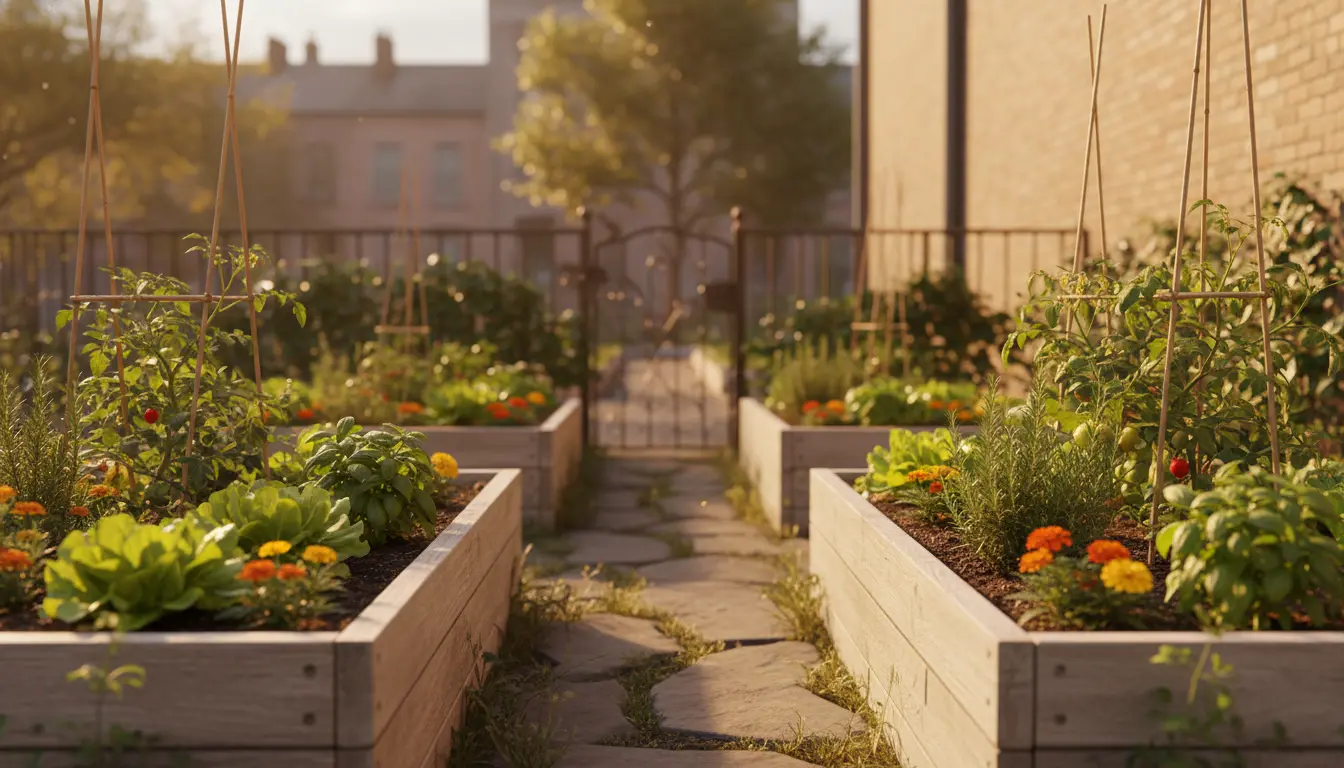
Growing vegetables in a small space is achievable with basic planning and routine care. This guide gives clear, practical steps to set up and maintain a productive small vegetable garden.
Why Start a Small Vegetable Garden
A small vegetable garden saves money, improves diet, and connects you to food sources. It also reduces grocery trips and lowers the carbon footprint of produce you eat.
Small gardens are easier to manage than large plots and can fit balconies, patios, or compact yards. Many beginners find quick success with simple layouts and common crops.
Planning Your Small Vegetable Garden
Good planning saves time and increases yields. Start by assessing sunlight, space, and water access for your site.
Choose the Right Location
Select a spot with at least 4–6 hours of direct sun for most vegetables. If sunlight is limited, grow leafy greens and herbs that tolerate partial shade.
Ensure the area drains well and is near a water source to simplify daily care.
Decide on Containers or Beds
Raised beds, containers, and in-ground rows all work for a small vegetable garden. Use raised beds for better soil control and containers for balconies or patios.
- Raised beds: good drainage, easier weeding
- Containers: flexible placement, suitable for patios
- In-ground: lowest cost, depends on existing soil quality
Soil and Fertility for a Small Vegetable Garden
Soil quality determines plant health. For containers and raised beds, use a mix of topsoil, compost, and a light potting component.

Test soil pH and nutrient levels if possible. Most vegetables prefer a pH between 6.0 and 7.0.
Build Soil with Compost
Add 2–3 inches of compost to beds each season to replenish nutrients. Compost improves structure and water retention in sandy soils and drainage in clay soils.
Use slow-release organic fertilizers as needed, following package instructions to avoid overfeeding.
Choosing What to Grow in a Small Vegetable Garden
Select high-value, space-efficient crops that match your climate and tastes. Focus on vegetables you and your household will actually eat.
Best Picks for Small Spaces
- Leafy greens: lettuce, spinach, kale
- Herbs: basil, cilantro, parsley
- Compact fruiting plants: cherry tomatoes, dwarf peppers
- Quick crops: radishes, baby carrots, bush beans
Use succession planting to maintain continuous harvests. Sow a small patch every 2–3 weeks for crops like lettuce and radishes.
Planting and Layout Tips for a Small Vegetable Garden
Design the layout to maximize sunlight and airflow. Place taller plants on the north side to avoid shading shorter ones.
Use interplanting to combine slow- and fast-maturing crops in the same space, such as carrots with onions.
Sample Layout for a 4×8 Raised Bed
- Row A (north): trellis with pole beans or indeterminate tomatoes
- Row B: bush peppers and eggplants
- Row C: mixed salad greens rotated every 3 weeks
- Row D (south): herbs and companion flowers like marigolds
Maintenance: Watering, Weeding, and Pest Control
Consistent maintenance prevents small problems from becoming big ones. Water deeply and less frequently to encourage strong roots.
Mulch around plants to retain moisture and reduce weeds. Organic mulches also add nutrients as they break down.
Natural Pest and Disease Management
Inspect plants weekly for pests and diseases. Remove affected leaves early and use hand-picking or soapy water sprays for small infestations.
- Encourage beneficial insects with flowers and habitat
- Rotate crops each season to reduce soil-borne disease
- Use row covers to protect young plants from insects
Harvesting and Seasonal Care
Harvest vegetables at peak ripeness for best flavor and to encourage further production. Regular picking extends the productive season.
At season end, clear spent plants and add them to compost. Cover beds with mulch or a cover crop to protect soil over winter.
Plants grown in raised beds warm faster in spring and often produce harvests 1–2 weeks earlier than in-ground gardens.
Simple Case Study: A 10×6 Urban Garden
Jane, a city resident, used a 10×6 foot corner of her yard to build two 3×6 raised beds. She planted cherry tomatoes, basil, lettuce, and bush beans.
With weekly maintenance and succession planting, Jane harvested fresh salad greens from May through October and collected 20–30 pints of cherry tomatoes over the season. The beds required about 15–20 minutes of care three times a week.
Quick Checklist to Start a Small Vegetable Garden
- Assess sunlight and water access
- Choose containers or build raised beds
- Prepare soil with compost and test pH
- Select space-efficient crops and plan layout
- Establish a watering and pest-check routine
- Harvest regularly and replenish soil each season
Starting a small vegetable garden is mainly about consistent, simple actions: pick the right spot, improve the soil, choose appropriate plants, and maintain them regularly. With modest effort you can turn limited space into a steady source of fresh produce.