
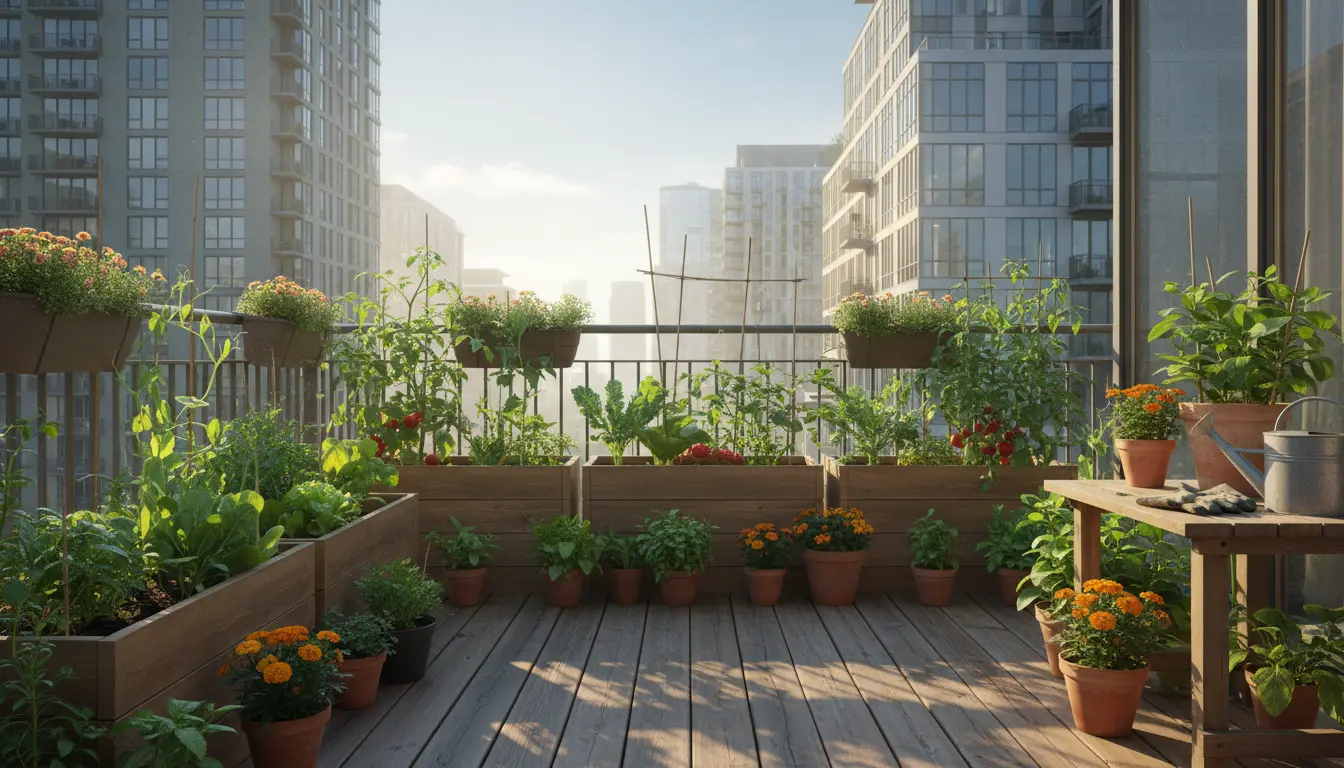
Starting a small vegetable garden is one of the most rewarding ways to grow fresh food at home. This guide gives clear, practical steps you can follow whether you have a backyard plot, a raised bed, or a balcony container setup.
Why start a small vegetable garden
A small vegetable garden saves money and reduces trips to the store. It also gives you fresher produce and more control over how food is grown.
Small spaces are easier to manage and allow you to focus on high-value crops like herbs, leafy greens, and compact fruiting plants.
How to choose a location for your small vegetable garden
Location affects plant health and yield. Choosing the right spot is the first step to a successful small vegetable garden.
Sunlight for a small vegetable garden
Most vegetables need 6–8 hours of direct sunlight. Observe potential locations across a full day to see which areas get the most sun.
Soil and drainage

Good soil drains well and feels crumbly. If your ground soil is poor, use raised beds or containers with a quality potting mix.
Water access and convenience
Place the garden where you can easily water it. Containers dry out faster, so plan for more frequent watering if you use pots.
What to grow in a small vegetable garden
Pick crops that match your space, climate, and taste. For small gardens, prioritize fast-growing or compact varieties.
- Leafy greens: lettuce, spinach, arugula — quick harvests and repeat plantings.
- Herbs: basil, parsley, chives — compact, high value, useful in cooking.
- Compact vegetables: cherry tomatoes, bush beans, baby carrots, radishes.
- Vertical growers: peas and pole beans — use trellises to save ground space.
Step-by-step: How to start a small vegetable garden
Follow these steps to go from empty space to planted beds in a few hours.
- Plan your layout: Sketch the area and decide between ground beds, raised beds, or containers.
- Prepare the soil: Remove weeds and loosen soil. Add compost to improve fertility and structure.
- Select plants: Choose 3–6 crops to start. Mix quick greens with longer-season vegetables for steady harvests.
- Plant at the right time: Check local frost dates and seed packet instructions for planting depth and spacing.
- Mulch and water: Apply mulch to keep moisture and suppress weeds. Water thoroughly after planting.
- Support and protect: Install stakes, cages, or trellises for vining crops. Use row covers if pests are a problem.
- Label and track: Mark varieties and planting dates to learn what works and when.
Maintenance tips for a small vegetable garden
Maintenance is lighter for small gardens, but consistency matters. Spend 10–15 minutes several times a week checking plants.
- Water early in the day to reduce disease risk and evaporation.
- Weed regularly by hand to prevent competition for nutrients.
- Fertilize with balanced organic feed every 4–6 weeks for heavy feeders.
- Prune and thin overcrowded plants to improve air flow and fruit size.
- Rotate crops seasonally to limit pests and disease buildup.
Pest and disease basics
Identify problems early. Hand-pick larger pests like slugs, use insecticidal soap for soft-bodied insects, and remove diseased foliage to stop spread.
Planting marigolds alongside tomatoes can reduce some nematode problems while attracting beneficial insects like ladybugs.
Case study: A small balcony garden that fed a family of two
Sarah, an apartment dweller, used four 12×24 inch containers and a single 4×2 foot raised bed on her balcony. She planted cherry tomatoes, basil, lettuce, and bush beans over a single growing season.
By staggering plantings of lettuce every two weeks and using a trellis for beans, Sarah harvested fresh salad greens twice weekly and collected 40 pounds of cherry tomatoes over 4 months. Her keys to success were consistent watering, weekly compost tea, and watching for early signs of aphids.
Lesson: Even very small setups can produce meaningful yields with regular attention and simple crop choices.
Quick checklist to start your small vegetable garden
- Choose sunny spot with good drainage.
- Select 3–6 easy crops that fit the space.
- Use compost-rich soil or quality potting mix.
- Plant according to season and local frost dates.
- Mulch, water, and check plants regularly.
Starting a small vegetable garden is practical and achievable. With simple planning and a little weekly care, you can enjoy fresher food and a satisfying hobby. Begin small, learn from each season, and expand as you gain confidence.