
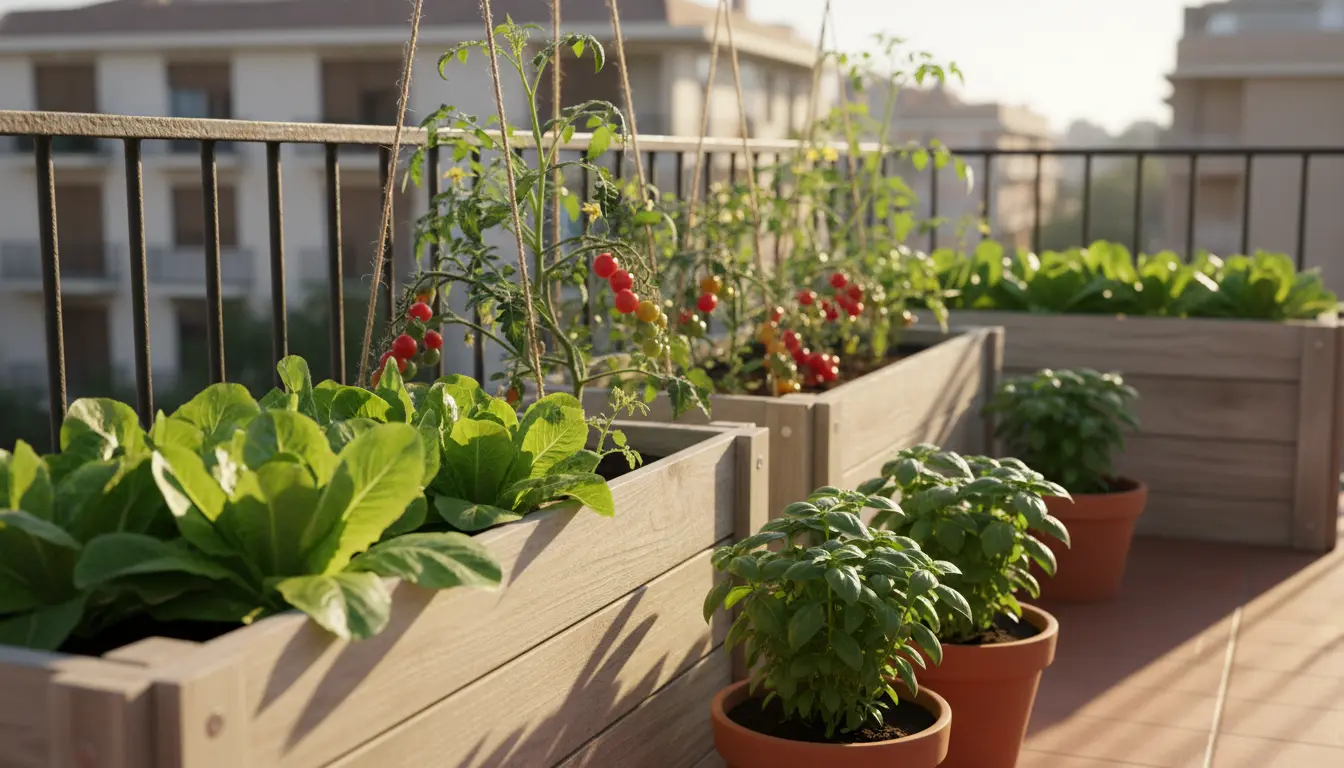
Starting a small vegetable garden is practical for beginners and busy households. This guide gives clear, step-by-step instructions to plan, plant, and maintain a productive small vegetable garden.
Why start a small vegetable garden
A small vegetable garden saves money and provides fresh produce close to home. It also fits balconies, patios, and small yards, making it ideal for urban or beginner gardeners.
Planning to start a small vegetable garden
Good planning reduces wasted time and effort. Before you plant, decide the space, sunlight, and vegetables that match your schedule and climate.
Choose the right location for a small vegetable garden
Most vegetables need at least 6 hours of direct sunlight daily. Choose a spot with good drainage and easy access to water.
If sunlight is limited, pick partial-shade crops like lettuce, spinach, and herbs that tolerate less sun.
Select vegetables for a small vegetable garden
Choose compact, high-yield crops that fit small spaces. Consider these options:
- Leafy greens: lettuce, spinach, arugula
- Compact tomatoes and cherry tomatoes
- Bush beans and dwarf peas
- Herbs: basil, cilantro, parsley
- Root crops in containers: radishes, baby carrots
Plant succession crops to harvest continuously from a small area.
Soil, watering, and maintenance for a small vegetable garden
Healthy soil and consistent watering are the foundation of a productive small vegetable garden. Focus on quality soil and a simple watering plan.
Soil preparation for a small vegetable garden
Use a mix of topsoil, compost, and a little coarse sand for raised beds or containers. Aim for loose, well-draining soil rich in organic matter.
Test pH if possible; most vegetables prefer pH 6.0–7.0. Amend with lime or sulfur only if tests indicate a need.
Watering and feeding a small vegetable garden
Water deeply and less frequently to encourage root growth. For most small beds, 1–2 inches of water per week is sufficient, adjusted for weather.
Use a balanced slow-release fertilizer at planting and side-dress with compost or diluted fertilizer mid-season for heavy feeders like tomatoes.
Planting schedule and spacing for a small vegetable garden
Follow seed packet or plant tag directions for spacing and planting depth. Tight spacing wastes resources; follow compact or “baby” varieties when space is limited.
- Leafy greens: 4–6 inches apart for baby leaves
- Bush tomatoes: 18–24 inches apart in containers or raised beds
- Bush beans: 4–6 inches apart in rows or staggered blocks
Use succession planting: sow a new row of quick crops every 2–3 weeks to extend harvests.
Pests, common problems, and simple solutions for a small vegetable garden
Small gardens are easier to manage but still face pests and disease. Early monitoring helps prevent larger issues.
- Slugs and snails: hand-pick or set traps near affected plants
- Aphids: wash off with a strong water spray or use insecticidal soap
- Powdery mildew: increase air circulation and remove affected leaves
Rotate crops each season and keep beds clean of debris to reduce disease pressure.
Simple weekly care routine for a small vegetable garden
A short weekly routine keeps a small vegetable garden productive without much work. Spend 30–60 minutes per session on the key tasks below.
- Inspect plants for pests and disease
- Water deeply in the morning if soil is dry
- Harvest mature crops and prune if needed
- Add a light layer of compost or mulch as needed
Planting marigolds near vegetables can help deter some pests naturally. Companion planting is a low-cost way to protect small gardens.
Small real-world example: One balcony, big results
Maria, an apartment dweller, used a 6 x 3 foot balcony box to start a small vegetable garden. She planted cherry tomatoes, basil, two lettuce rows, and a container of radishes.
In one season she harvested over 50 cherry tomatoes, multiple salad bowls of lettuce, and several radish rounds. Her routine was simple: water three times a week, check for pests weekly, and harvest twice per week.
This shows that even limited space can supply regular fresh produce with basic care and the right plant choices.
Final checklist to start a small vegetable garden
Use this checklist to begin confidently:
- Pick a sunny, accessible spot
- Choose compact, high-yield vegetables
- Prepare loose, compost-rich soil
- Water deeply and maintain a weekly routine
- Monitor pests and rotate crops annually
Starting a small vegetable garden is a manageable, rewarding project. With simple planning and consistent care, you can enjoy fresh homegrown vegetables even in small spaces.