
Starting a small vegetable garden is a practical way to grow fresh produce at home, even with limited space. This guide covers planning, soil, planting, and maintenance so you can get reliable results without unnecessary waste.
Plan Your Small Vegetable Garden
Good planning reduces frustration later. Decide the size, layout, and main crops before you dig or buy soil.
Decide Garden Size and Type for a Small Vegetable Garden
Small gardens work well as raised beds, containers, or a single in-ground plot. Common beginner sizes are a 4×8 raised bed or several 12–18 inch containers.
Consider sunlight, access to water, and ease of harvesting when choosing a type.
Choose Crops That Fit a Small Vegetable Garden
Pick high-yield, space-efficient crops to maximize a small area. Good choices include:
- Leafy greens: lettuce, spinach, chard
- Herbs: basil, parsley, cilantro
- Compact fruiting plants: cherry tomatoes, peppers
- Root crops in depth: radishes, carrots, beets
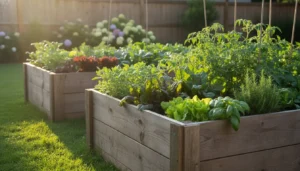
Use vertical supports for vining plants to save ground space.
Site and Soil Setup for a Small Vegetable Garden
Sun and soil are the two most important site factors. Aim for at least 6 hours of direct sun daily for most vegetables.
Assess Light and Water Access
Observe the proposed garden location at different times to confirm sun exposure. Place beds near a water source to simplify irrigation.
Prepare Good Soil for a Small Vegetable Garden
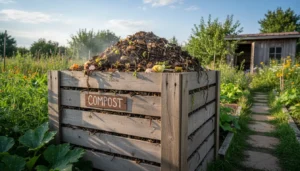
Use a mix of quality topsoil, compost, and a light mineral (sand or perlite) for raised beds and containers. For in-ground plots, improve existing soil with at least 2–4 inches of compost worked in.
Simple soil test: healthy garden soil drains well, crumbles when squeezed, and has a mild earthy smell.
Planting and Crop Management in a Small Vegetable Garden
Planting choices and timing affect yields. Stagger plantings and use companion planting to keep production steady.
Timing and Succession Planting
Start seeds indoors for warm-season crops or sow directly for cool-season greens. Use succession planting every 2–3 weeks for lettuce and radishes to extend harvests.
Spacing and Vertical Techniques
Follow seed packet spacing but reduce unused paths in small gardens by using narrow beds and vertical trellises. Interplant fast with slow growers (e.g., radishes between tomato seedlings).
Water, Feed, and Pest Basics for a Small Vegetable Garden
Regular observation and simple routines keep problems small and manageable. Watering and organic feeding go a long way.
Efficient Watering for a Small Vegetable Garden
Water deeply and less frequently to encourage strong roots. Drip irrigation or soaker hoses are efficient in beds and containers.
Feeding and Organic Fertility
Apply compost or a balanced organic fertilizer at planting and mid-season for heavy feeders like tomatoes. Use mulch to retain moisture and suppress weeds.
Pest and Disease Management
Inspect plants weekly for pests and disease. Use row covers early in the season to protect seedlings and remove affected leaves promptly to stop spread.
Companion planting, such as basil near tomatoes, can improve flavor and deter certain pests naturally without chemicals.
Harvesting and Continuing a Small Vegetable Garden
Harvest at peak ripeness for best flavor and to encourage more production. Keep notes on what worked each season.
Simple Harvest Tips
- Pick leafy greens when young for tender flavor.
- Harvest tomatoes when color and slight softness appear.
- Remove spent plants and add them to the compost pile to recycle nutrients.
Small Vegetable Garden Example: A Quick Case Study
Sara, a city apartment gardener, used a single 4×8 raised bed on her balcony. She filled it with a soil mix of compost and topsoil, planted staggered lettuce rows, two cherry tomato plants on a trellis, and several containers of herbs.
By using drip irrigation, succession planting, and weekly inspections, Sara harvested salad greens weekly for six months and had a steady supply of tomatoes and basil. Her main changes after the first season were adding more compost and swapping a pepper plant for an underperforming squash.
Simple Start Checklist for a Small Vegetable Garden
- Choose a sunny location with water access.
- Decide bed type: raised bed, containers, or in-ground.
- Prepare soil with compost and good drainage.
- Select compact, high-yield crops and plan succession plantings.
- Set up efficient watering and mulch for moisture retention.
- Inspect plants weekly and harvest promptly.
Starting a small vegetable garden is manageable with basic planning, simple soil improvements, and regular care. With the right crops and a little attention, even compact spaces can supply fresh vegetables through the growing season.