
Why start a small vegetable garden
Growing your own vegetables saves money, improves flavor, and gives you control over pesticides and freshness. Small gardens are low-risk and can fit patios, balconies, or a tiny yard.
This guide explains the steps to start a small vegetable garden, with clear actions you can take in one weekend.
Planning your small vegetable garden
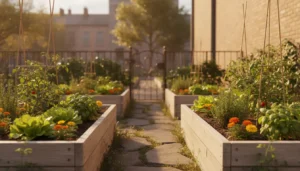
Good planning prevents wasted effort. Decide what you want to grow and how much time you can commit each week.
Choose your vegetable garden location
Most vegetables need 6–8 hours of direct sunlight. Observe sunlight patterns for a few days before choosing a spot.
Consider wind exposure, access to water, and proximity to your kitchen for easy harvesting.
Select the right garden type

For small spaces, choose one of these types:
- Container gardening: Pots and grow bags on patios or balconies.
- Raised beds: Good drainage and soil control in a compact footprint.
- In-ground mini bed: Use a cleared patch if you have soil space.
Soil and containers for a successful small vegetable garden
Healthy soil is the most important factor for productivity. Containers need a quality potting mix; beds benefit from amended topsoil and compost.
Prepare soil or potting mix
Mix equal parts compost and topsoil for raised beds, and use a well-draining potting mix for containers. Add slow-release organic fertilizer if needed.
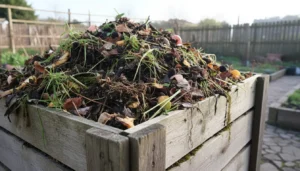
Test soil pH if possible. Most vegetables prefer pH 6.0–7.0. Adjust with lime (to raise) or sulfur (to lower) as recommended.
Selecting vegetables for a small garden
Choose high-value, space-efficient crops that match your climate and season. Consider continuous harvest varieties and fast growers.
- Lettuce, spinach, and arugula — quick, cool-season greens.
- Tomatoes and peppers — productive in containers or stakes.
- Bush beans and dwarf peas — save space and mature quickly.
- Herbs (basil, parsley, chives) — high yield from small pots.
Succession planting and intercropping
Stagger plantings every 2–3 weeks for a steady harvest. Intercrop fast-growing greens between slower crops like tomatoes to maximize space.
Planting, watering, and maintenance
Follow seed packet or plant label spacing and depth. Overcrowding reduces yield and increases disease risk.
Watering basics
Water deeply and less often to encourage strong roots. Containers dry faster than beds and may need daily watering in hot weather.
- Morning is the best time to water to reduce disease risk.
- Use drip irrigation or soaker hoses to save water and keep foliage dry.
Fertilizing and feeding
Feed with a balanced organic fertilizer at planting and again mid-season for heavy feeders like tomatoes. Herbs and leafy greens benefit from regular light feedings.
Pest and disease control
Inspect plants weekly. Remove damaged leaves, encourage beneficial insects, and use row covers for early-season pests.
Use targeted organic controls like insecticidal soap, neem oil, or hand-picking for small-scale problems.
Harvesting and storage
Harvest frequently to encourage more production. Pick greens when young for best flavor and harvest veggies at the peak size recommended on labels.
Store produce properly: cool leafy greens, room-temperature tomatoes until ripe, and refrigerate harvested herbs sparingly or freeze as needed.
Small garden checklist
- Choose a sunny site with water access
- Select containers or build a 4×4 or 4×8 raised bed
- Buy quality potting mix or amend soil with compost
- Plant space-efficient and high-value crops
- Set up a simple watering routine
- Inspect weekly for pests and harvest often
Microgreens can be harvested in 7–14 days and deliver very high nutrition per square foot, making them ideal for tiny indoor gardens.
Real-world example: A compact raised bed case study
Anna had only a 10-foot balcony and started a 4×2 foot raised bed in spring. She filled it with a mix of compost and quality topsoil and chose determinate cherry tomatoes, basil, leaf lettuce, and radishes.
By using vertical tomato supports and succession planting for lettuce and radishes, she harvested fresh salads most weeks from May to September. Minimal pest issues were managed by hand-picking and a weekly neem oil spray.
This small investment provided dozens of meals and reduced grocery runs during the growing season.
Common beginner mistakes and how to avoid them
- Overwatering: Check soil moisture before adding water.
- Overcrowding: Follow spacing guidelines to reduce disease.
- Wrong varieties: Choose compact or container-friendly cultivars.
- Skipping soil prep: Good soil improves yields more than any other change.
Final tips for success with a small vegetable garden
Start small and expand as you gain confidence. Keep a simple garden journal to track planting dates, varieties, and harvests.
Enjoy the process: fresh food, small victories, and steady improvements over seasons will make your garden productive and rewarding.