
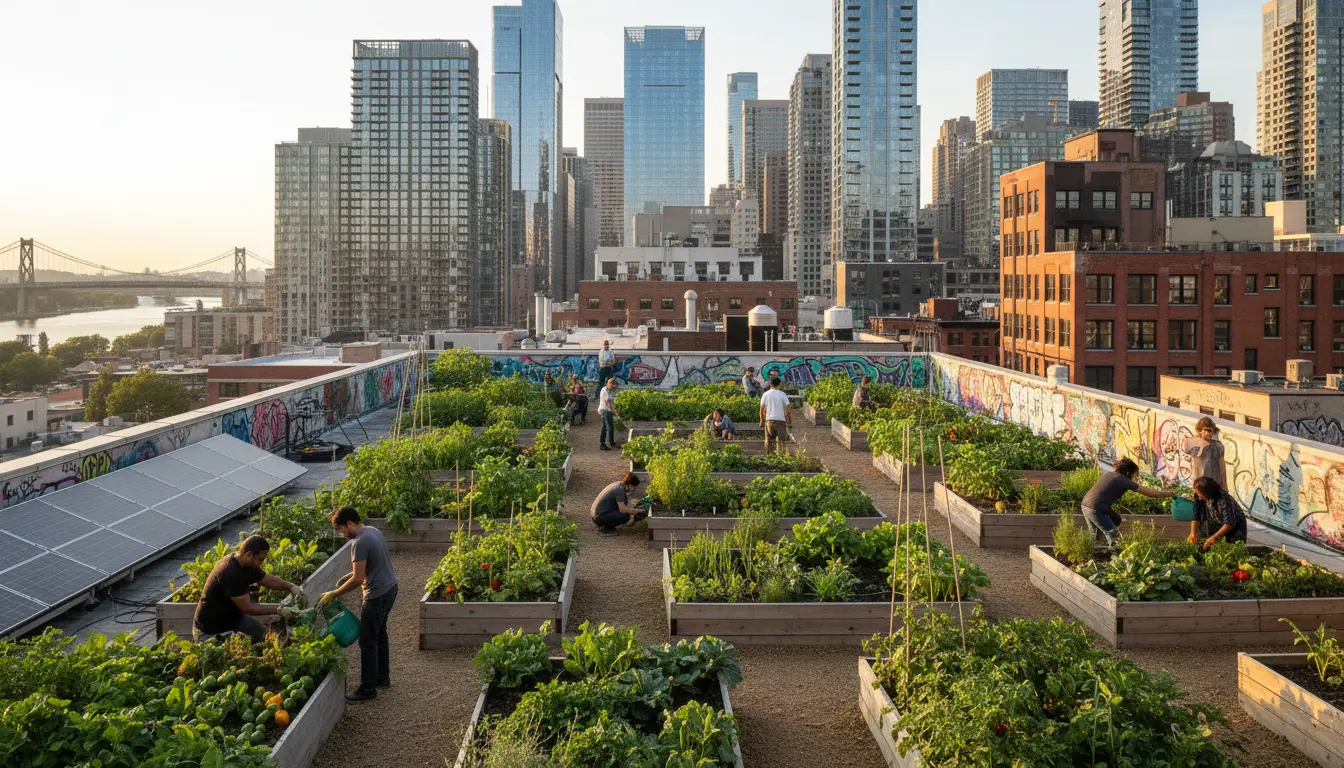
Plan Before You Plant: Start a Small Vegetable Garden the Right Way
Starting a small vegetable garden at home takes a little planning and the right choices. This guide lays out simple steps you can follow whether you have a backyard plot, balcony, or patio containers.
Choose Location and Size for Your Small Vegetable Garden
Sunlight is the most important consideration. Most vegetables need 6 to 8 hours of direct sun daily. Pick the sunniest spot you have, even if space is limited.
Decide on a size you can manage. Common small layouts are a 4×4 bed, 8×8 raised bed, or a row of 2–4 containers. Smaller plots are easier to water and maintain.
Site checklist for your small vegetable garden
- Sun exposure: 6–8 hours preferred
- Water access: hose or watering can within reach
- Drainage: avoid spots that pool water
- Wind protection: place near a wall or fence if windy
Prepare Soil and Containers for a Small Vegetable Garden
Good soil is the foundation of success. If you have a ground bed, loosen the top 8–12 inches and mix in compost. For containers or raised beds, use a quality potting mix blended with compost for nutrients and drainage.
Soil tests are cheap and helpful. A basic test tells you pH and nutrient levels, so you can correct deficiencies before planting.
Soil mix recommendations
- Raised bed: 60% topsoil, 30% compost, 10% coarse sand or perlite
- Containers: high-quality potting mix with added compost
- Small plots: add 2–4 inches of compost and mix thoroughly
Pick Easy Vegetables for a Small Vegetable Garden
Choose crops that fit space and skill level. For small gardens, prioritize high-value and compact varieties that produce more per square foot.
- Leafy greens: lettuce, spinach, arugula
- Root crops: radishes, baby carrots, beets
- Containers/vertical: cherry tomatoes, peppers, bush beans
- Herbs: basil, parsley, chives
Succession planting for continuous harvest
Plant small amounts in waves to extend harvests. For example, sow lettuce every two weeks for several months rather than all at once.
Watering and Feeding a Small Vegetable Garden
Consistent moisture is critical. Water deeply and less frequently to encourage strong roots. Shallow, frequent watering leads to weaker plants.

Use mulch to retain moisture and suppress weeds. Organic mulches like straw or shredded leaves also add nutrients as they break down.
Feeding schedule
- At planting: incorporate compost or a slow-release balanced fertilizer
- Mid-season: side-dress heavy feeders (tomatoes, peppers) with compost or fish emulsion
- Containers: feed every 2–4 weeks with a balanced liquid fertilizer
Manage Pests and Diseases in a Small Vegetable Garden
Small gardens can be easier to monitor. Inspect plants weekly for issues and act quickly to remove affected leaves or pests. Hand-picking is often effective for small plots.
Use cultural controls first: crop rotation, clean tools, and spacing to improve air flow. Organic sprays like insecticidal soap or neem oil can help when needed.
Harvesting and Extending the Season
Harvest vegetables at peak maturity for best flavor and to encourage more production. Quick harvests, like greens and radishes, free space for later crops.
To extend the season, use row covers, cold frames, or move containers into a protected area in early fall.
Container-grown tomatoes can yield as much as in-ground plants when given at least 15–20 liters of quality potting mix and regular feeding. Containers warm faster in spring, which can speed up production.
Small-Scale Case Study: A Real-World Example
Maria had an 8×8 foot corner of her backyard and wanted fresh salad greens. She built a single 8×8 raised bed, filled it with a 50/50 mix of topsoil and compost, and planted mixed lettuce, radishes, and baby carrots in early spring.
She used drip irrigation on a timer for 15 minutes each morning and mulched pathways with straw. By rotating quick crops and planting lettuce every two weeks, Maria harvested fresh salad greens from May through October with minimal maintenance.
Her yield: roughly 40–50 salad servings across the season from that single raised bed, showing how a small vegetable garden can feed a household with consistent care.
Quick Checklist to Start a Small Vegetable Garden
- Pick a sunny location and decide on bed or containers
- Test soil or prepare quality potting mix
- Choose compact, high-yield vegetables and a planting schedule
- Set up watering and add mulch
- Monitor pests and harvest regularly
Starting a small vegetable garden at home is manageable and rewarding. With a clear plan, good soil, and consistent care, even a small space can produce fresh, healthy food through the growing season.