
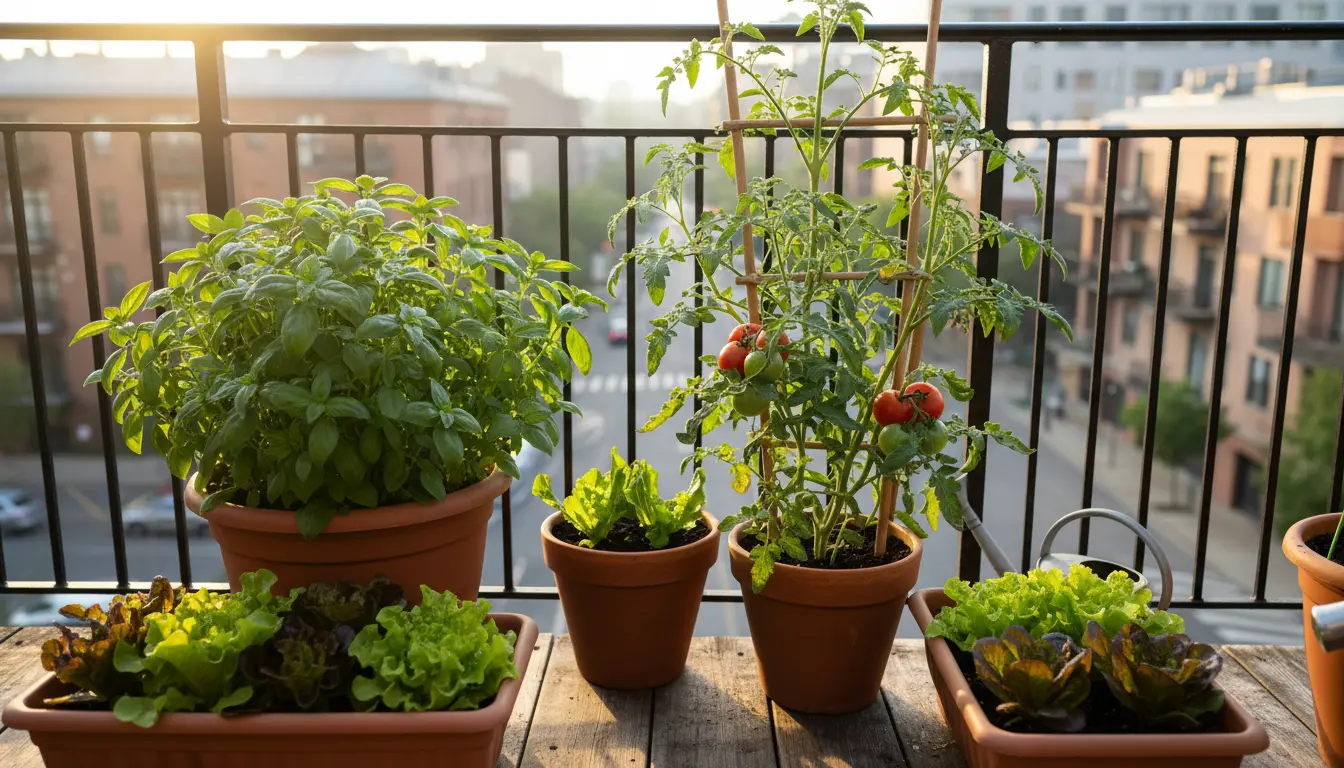
Starting a small vegetable garden is a practical way to grow fresh food and learn basic gardening skills. This guide breaks the process into clear steps so beginners can start with confidence.
Plan to Start a Small Vegetable Garden
Decide your goals before you plant. Do you want fresh herbs for cooking, salad greens, or enough tomatoes for canning?
Planning helps choose the right plants, containers, and schedule. Consider how much time you can commit each week.
Choose plants that match your space
Beginners succeed faster with easy, productive crops. Good choices include lettuce, radishes, bush beans, cherry tomatoes, and herbs like basil and parsley.
Use a short list for your first season: pick 4–6 types to manage care without overwhelm.
Choose the Right Location to Start a Small Vegetable Garden
Most vegetables need 6–8 hours of direct sun daily. Observe your yard or balcony during the day to find the sunniest spot.
If you lack full sun, choose shade-tolerant crops like leafy greens and certain herbs.
Consider accessibility and water
Place the garden where you can access it easily for watering and harvesting. A nearby hose or balcony tap reduces effort and missed waterings.
Also plan for wind protection and drainage; raised beds and containers can solve many site problems.
Prepare Soil or Containers
Healthy soil is the foundation of a productive small vegetable garden. If using ground beds, loosen the top 12 inches and add organic matter.
For containers, choose large pots or raised beds and a quality potting mix blended for vegetables.
Soil mix and amendments
- Use compost to improve texture and nutrients.
- Add a balanced slow-release fertilizer according to package directions.
- Ensure pH is near neutral (6.0–7.0) for most vegetables.
Planting: Seeds vs Seedlings
Decide whether to start from seed or buy young plants. Seeds are cheaper but take more time; seedlings give a head start.
Follow planting depth and spacing on seed packets or plant tags to avoid crowding and disease.
Succession planting for continuous harvest
Stagger plantings of quick crops like lettuce and radish every 2–3 weeks to extend harvest over the season.
Use vertical supports for vining crops (tomatoes, beans) to save space.
Watering and Feeding Your Small Vegetable Garden
Consistent moisture is critical. Water deeply and less frequently to encourage strong roots.
Mulch around plants to conserve water and suppress weeds. Organic mulches also add nutrients as they break down.
Fertilizing schedule
Vegetables often benefit from a mid-season boost with a balanced fertilizer or compost tea. Avoid overfeeding leafy crops with high nitrogen if you want fruiting.
Manage Pests and Diseases
Check plants regularly for signs of pests or disease. Early detection makes control easier and prevents spread.
Use physical controls first: hand-pick pests, use row covers, and remove diseased foliage promptly.
Safe pest control options
- Introduce beneficial insects like ladybugs for aphid control.
- Use insecticidal soaps or neem oil for soft-bodied pests.
- Rotate crops each season to reduce soil-borne diseases.
Container-grown vegetables often need watering daily in hot weather, but they also warm up faster in spring, letting you start earlier than a ground bed.
Harvesting and Storage
Harvest frequently to encourage more production. Pick leafy greens when young and tender, and harvest tomatoes when fully colored.
Store produce correctly: cool, dry storage for root crops, and refrigeration for most greens and herbs.
Simple preservation tips
- Blanch and freeze beans and peas for later use.
- Dry herbs or freeze them in olive oil in ice cube trays.
- Share surplus with friends or local food banks to avoid waste.
Small Real-World Example
Case Study: Maria’s Balcony Garden
Maria had a 6-foot balcony and wanted fresh salad greens. She used three 12-inch pots and one 2×2 foot raised box. In her first season she grew lettuce, spinach, basil, and cherry tomatoes.
By spacing plants properly, watering every other day, and rotating one pot with compost mid-season, she harvested fresh salad greens for two people through summer. Her total investment was under $150 and she reduced grocery trips while learning effective care routines.
Troubleshooting Common Problems
If seedlings are leggy, they need more light. Use a brighter spot or a grow light for indoor starts.
Yellowing leaves can mean overwatering, nutrient deficiency, or pests. Check soil moisture and leaf undersides, and adjust care accordingly.
When to expand
Once you consistently harvest and maintain your initial setup, consider expanding a bed, adding vertical towers, or experimenting with new crops.
Keep records of what worked and what didn’t to improve next season’s plan.
Final Checklist to Start a Small Vegetable Garden
- Choose a sunny, accessible location.
- Decide between containers or ground beds and prepare soil.
- Select 4–6 beginner-friendly crops to start.
- Set a watering and fertilizing routine.
- Monitor pests and harvest regularly.
Starting a small vegetable garden is manageable with planning and basic care. Use this guide as a checklist and adapt steps to your space and climate for the best results.