
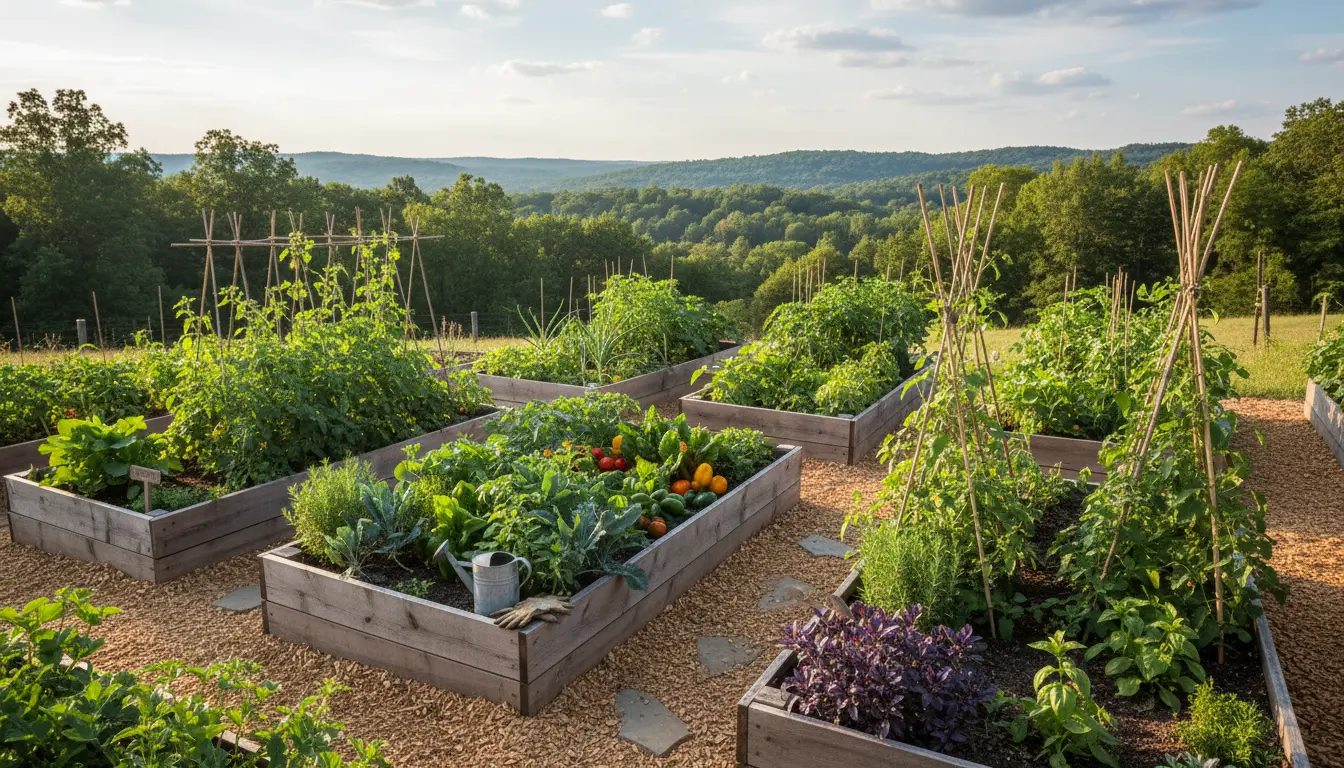
Start a Small Vegetable Garden: First Steps
Starting a small vegetable garden is a practical way to grow fresh food at home. This guide covers the essentials you need to plan, plant, and maintain a productive small garden.
Decide Your Garden Type
Pick a format that fits your space and schedule. Common options include raised beds, containers, or a small in-ground plot.
- Raised beds: Better drainage and soil control.
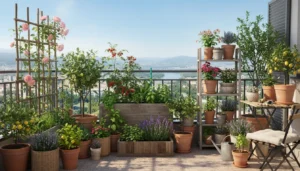
- Containers: Great for balconies and patios.
- In-ground: Best when you have good existing soil and space.
Choose the Right Spot for a Small Vegetable Garden
Sunlight is the most important factor. Most vegetables need 6 to 8 hours of direct sun daily.
Also check access to water and ease of reaching the plot for maintenance. Avoid low-lying frost pockets if possible.
Assess Soil and Drainage
Good soil is the foundation of a successful small vegetable garden. Test the soil texture and drainage by digging a small hole and observing how water moves.
If drainage is poor or soil is heavy clay, use raised beds or containers filled with a well-draining mix.
Prepare Soil for a Small Vegetable Garden
Amend soil to provide nutrients and structure. A basic mix for raised beds is equal parts compost, topsoil, and coarse composted bark or perlite.
In-ground beds benefit from added compost and a balanced organic fertilizer at the start of the season.
Simple Soil Improvement Steps
- Remove weeds and roots from the planting area.
- Spread 2 to 4 inches of compost and mix it into the top 6 to 8 inches of soil.
- Test pH and add lime or sulfur only if needed to reach a neutral pH for most vegetables.
Choose Vegetables for a Small Vegetable Garden
Select crops that match your growing season and space. Compact or bush varieties are best for small plots.
- Leafy greens: Lettuce, spinach, kale — quick harvests and continuous sowing.
- Root crops: Radishes, carrots, beets — use shallow, loose soil or deep containers.
- Fruit-bearing: Cherry tomatoes, dwarf peppers, and bush beans for limited space.
Stagger Planting for Continuous Harvests
Plant in small intervals to avoid large harvest gluts. For example, sow lettuce every two weeks for a steady supply.
Use succession planting and intercropping to maximize yields in a small garden.
Planting and Layout Tips for a Small Vegetable Garden
Plan a compact layout to reduce wasted space. Use square-foot gardening principles or narrow rows.
Group plants by water needs to simplify irrigation and reduce stress on crops.
Companion Planting Examples
- Tomatoes with basil to improve flavor and repel pests.
- Carrots with onions to reduce carrot fly damage.
- Leafy greens near taller crops to gain afternoon shade in hot climates.
Watering, Feeding, and Maintenance
Small gardens dry out faster than large plots, so consistent watering is crucial. Aim for deep, infrequent watering rather than light daily sprinkling.
Mulch around plants to conserve moisture and suppress weeds. A 2- to 3-inch layer of straw or shredded leaves works well.
Fertilizing Basics
Use a balanced organic fertilizer or compost tea for steady growth. Follow package instructions and observe plants for nutrient signs.
Leaf yellowing and stunted growth can indicate nitrogen deficiency, while poor fruit set may point to low phosphorus.
Pest and Disease Management in a Small Vegetable Garden
Start with prevention: rotate crops, remove plant debris, and keep beds tidy. Hand-pick pests when possible.
Use row covers to protect young plants from insects and apply organic controls like neem oil or insecticidal soap when needed.
Identifying Problems Early
- Yellowing leaves: Check for overwatering, nutrient issues, or pests.
- Holes in leaves: Look for slugs, caterpillars, or beetles.
- Wilting: Check soil moisture and root health immediately.
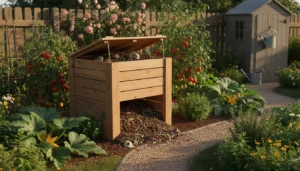
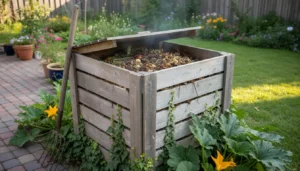
Most kitchen scraps like coffee grounds and vegetable peels can be composted to enrich your garden soil. A small compost bin can reduce waste and boost productivity.
Real-World Example: A Small Raised Bed That Worked
Case study: Sarah started a 4×4 foot raised bed on her apartment balcony. She filled it with a mix of compost, topsoil, and perlite.
In her first season she planted cherry tomatoes, bush beans, and leaf lettuce. By summer she harvested weekly salads and several pounds of tomatoes.
Key wins included regular watering in the morning, weekly compost tea feedings, and planting fast-growing lettuce between slower crops to optimize space.
Final Checklist to Start a Small Vegetable Garden
- Choose a sunny spot with easy water access.
- Select a garden type: raised bed, container, or in-ground.
- Improve soil with compost and test pH if unsure.
- Pick compact vegetable varieties suited to your climate.
- Plan succession planting and water deeply but less often.
- Monitor pests and diseases and use preventive measures.
Starting a small vegetable garden is manageable with planning and modest effort. Focus on soil, sunlight, and consistent care, and you’ll be harvesting fresh produce in your first season.