
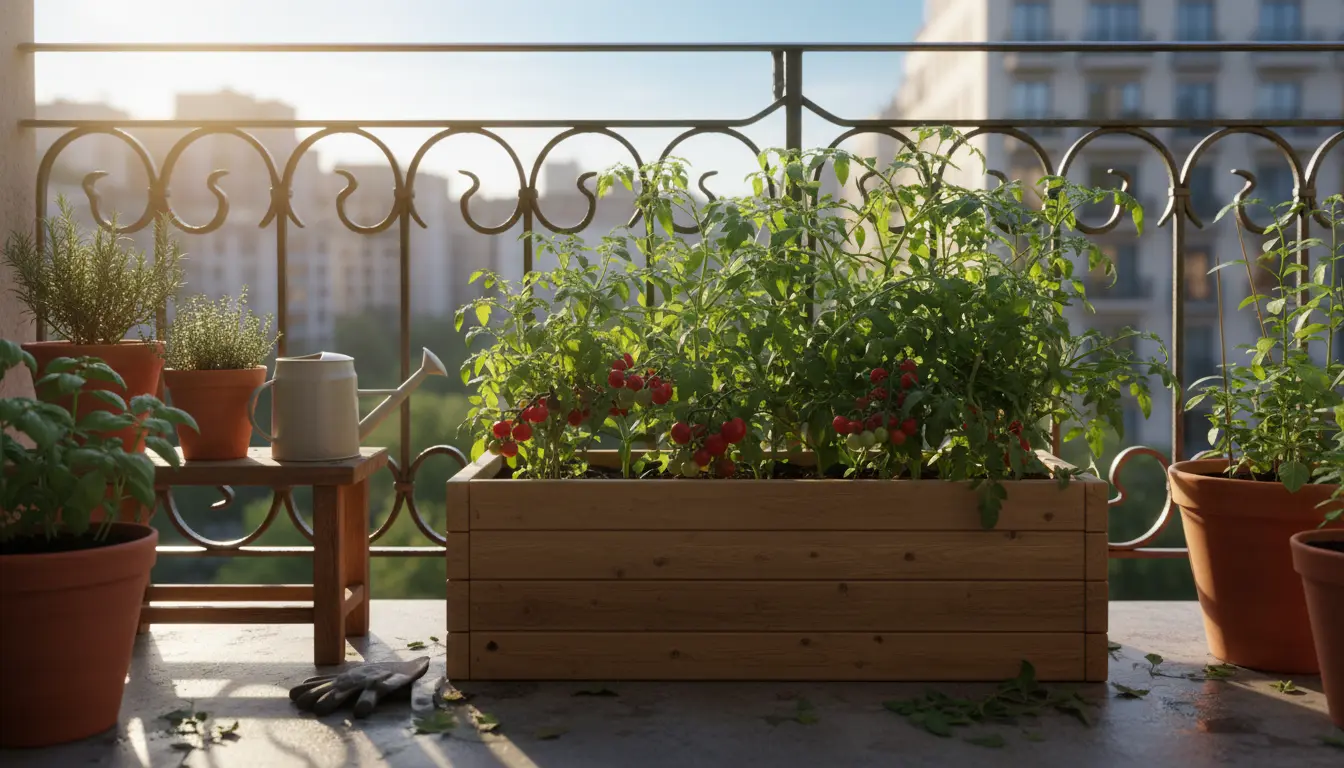
Why start a small vegetable garden at home
Starting a small vegetable garden at home saves money and gives you fresher, tastier produce. It also reduces food miles and can be a relaxing hobby.
You do not need a large yard or special skills to begin. With a few plans and the right choices, even a balcony or small backyard will produce useful yields.
Plan before you start your small vegetable garden
Good planning prevents wasted effort. Decide where you will place your garden, what you will grow, and how much time you can commit.
- Site selection: choose a spot with at least 4–6 hours of sunlight.
- Space: measure available area; consider containers or raised beds for tight spaces.
- Goals: list vegetables you eat often (salad greens, tomatoes, herbs).
Choose the right vegetables for a small vegetable garden
Pick plants that fit limited space and provide high returns. Fast-growing, compact varieties work best.
- Leafy greens: lettuce, spinach, arugula — quick and space-efficient.
- Herbs: basil, parsley, chives — useful and low-maintenance.
- Compact fruiters: cherry tomatoes, patio peppers, bush beans.
Prepare soil and containers for a small vegetable garden
Healthy soil is the foundation of any small vegetable garden. If you use containers, choose a quality potting mix.

For in-ground or raised beds, improve soil with organic matter and test pH when possible.
- Soil mix: 60% topsoil or compost, 40% loose material like perlite or coarse sand for drainage.
- Raised beds: fill beds to at least 12 inches depth for most vegetables.
- Container size: deeper pots for root crops; 5 gallons or more for tomatoes.
Simple soil improvements for small vegetable garden success
Add aged compost or well-rotted manure to boost nutrients and structure. Mulch keeps moisture and suppresses weeds.
Apply a 2–3 inch layer of organic mulch around plants after they are established.
Planting and spacing in a small vegetable garden
Proper spacing keeps plants healthy while maximizing yield. Avoid crowding, which invites disease and lowers production.
- Follow seed packet or plant label spacing instructions.
- Use succession planting: sow small amounts of seeds every 2–3 weeks to extend harvests.
- Interplant fast crops (radishes, lettuce) between slower growers (tomatoes) to use space efficiently.
Starter planting schedule for a small vegetable garden
Begin with easy sowing options: early spring for peas and lettuce, late spring for tomatoes and peppers.
Use a simple calendar: Week 1 plant lettuce, Week 3 plant beans, Week 5 set out tomatoes after frost risk passes.
Watering and feeding your small vegetable garden
Consistent watering helps plants set fruit and grow steady. Avoid frequent shallow watering; aim for deep, less frequent sessions.
- Watering: 1–2 inches per week is typical; adjust for heat and rainfall.
- Feeding: use a balanced organic fertilizer or compost tea every 3–4 weeks during the growing season.
- Drip irrigation or soaker hoses save water and reduce leaf wetness.
Pest and disease control for a small vegetable garden
Monitor plants weekly to catch issues early. Use non-chemical methods first to protect beneficial insects.
- Hand-pick slugs and caterpillars in the morning.
- Use row covers for early-season insect protection.
- Rotate crops year to year to reduce soil-borne diseases.
When to use treatment
If infestations are heavy, choose targeted biological or organic controls and follow label directions. Keep records of what worked each season.
Planting marigolds near vegetables can help deter certain pests. Companion planting can reduce pest pressure without chemicals.
Harvesting and storage tips from a small vegetable garden
Harvest regularly. Many vegetables produce more when picked at the right size and stage.
- Leafy greens: harvest outer leaves and allow the center to keep growing.
- Tomatoes: pick when firm and colored; ripen on a windowsill if needed.
- Beans: pick when pods are firm and before seeds bulge.
Simple storage ideas
Use refrigerator crisper drawers for most vegetables, or blanch and freeze surplus harvest. Dry herbs for long-term use.
Small real-world case study: Balcony 4×4 Raised Bed
Anna, a city renter, built a 4×4 raised bed on her balcony. She filled it with a mix of compost and potting soil, planted compact tomatoes, basil, lettuce, and bush beans.
Within three months she harvested weekly salads and a dozen cherry tomatoes each week. She used drip irrigation and layered mulch, which reduced watering to twice weekly.
Lesson: With modest investment and good plant choices, a small vegetable garden on a balcony supplied fresh greens through summer.
Common mistakes and how to avoid them in a small vegetable garden
- Overwatering: water deeply and less often to encourage roots to grow down.
- Wrong plant choice: choose compact, short-season varieties for small spaces.
- Poor timing: plant according to local frost dates and season length.
Final checklist to start your small vegetable garden
- Pick the site with enough sun
- Choose 3–6 crops you eat often
- Prepare soil or containers with quality mix
- Plan watering and pest management
- Schedule regular harvesting and record results
Starting a small vegetable garden is practical and achievable. With planning, simple soil care, and consistent attention, you can grow meaningful amounts of fresh produce even in limited space.