
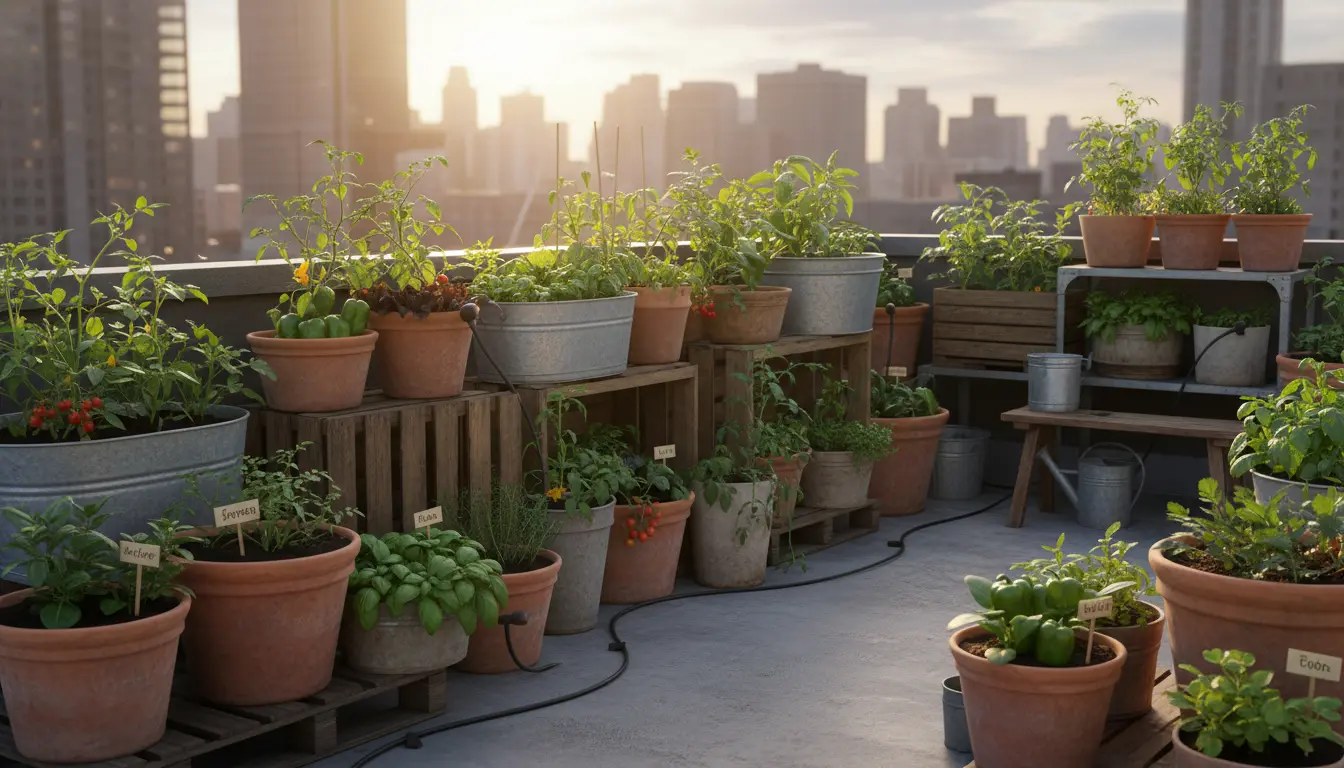
Starting a small space vegetable garden is practical and rewarding. This guide gives clear steps to plan, plant, and maintain productive vegetables in limited areas like balconies, patios, or tiny yards.
Plan Your Small Space Vegetable Garden
Effective planning saves time and increases yields. Begin by measuring your available area and noting sun exposure for different hours of the day.
Choose the Right Spot for a Small Space Vegetable Garden
Most vegetables need 6–8 hours of direct sun. If full sun is not available, select crops that tolerate partial shade like leafy greens and herbs.
Consider wind, access to water, and weight limits for balconies. Good planning reduces later problems and makes daily care easier.
Containers and Soil for a Small Space Vegetable Garden
Containers let you grow where ground space is limited. Use pots, grow bags, window boxes, or vertical planters depending on the area and plant size.
Containers for a Small Space Vegetable Garden
- Choose durable containers with drainage holes to prevent root rot.
- Use large containers for crops with bigger roots: tomatoes 5+ gallons, peppers 3–5 gallons.
- Stack or hang planters vertically to multiply planting area.
Lightweight options like fabric grow bags are easier to move and improve root aeration. Match container size to plant needs to avoid frequent watering and poor growth.
Soil Mix and Fertility
Use a high-quality potting mix, not garden soil. Good mixes retain moisture and drain well, which is crucial in containers.
Mix options to consider:
- Commercial potting mix with compost for nutrients.
- DIY blend: 40% peat or coconut coir, 30% compost, 30% perlite or coarse sand.
- Slow-release granular fertilizer or weekly liquid feed for container crops.
Plant Selection and Layout for a Small Space Vegetable Garden
Choose vegetables suited to containers and short seasons. Focus on high-value crops that yield quickly.
Best Plants for a Small Space Vegetable Garden
- Leafy greens: lettuce, spinach, arugula — fast and compact.
- Herbs: basil, parsley, cilantro — useful and space-efficient.
- Compact fruiting crops: cherry tomatoes, dwarf peppers, bush beans.
- Root vegetables: radishes and baby carrots in deep, narrow containers.
Plan vertically when possible. Use trellises for vining plants like cucumbers and pole beans to free ground space.
Watering and Daily Care
Containers dry out faster than garden beds. Check soil moisture daily during hot weather and water when the top inch feels dry.
Watering tips:
- Water deeply until water runs from drainage holes to encourage deep roots.
- Use mulch like straw or shredded bark to reduce evaporation.
- Consider drip irrigation or self-watering containers for consistent moisture.
Routine tasks include removing dead leaves, checking for pests, and harvesting frequently to encourage production.
Pest Management and Harvesting in a Small Space Vegetable Garden
Monitor plants regularly to catch pests early. Small gardens are easier to inspect regularly and act on issues fast.
Non-chemical pest strategies:
- Handpick larger pests like caterpillars or slugs.
- Use floating row cover for seedlings to block insects.
- Encourage beneficial insects with flowering herbs and marigolds.
Harvest frequently. Many vegetables, such as lettuces and herbs, produce more when picked regularly. Timely harvesting prevents overcrowding and disease.
Growing vegetables in containers can produce up to 3 times the yield per square foot compared with traditional rows, because you can intensify planting and use vertical space.
Quick Maintenance Schedule for a Small Space Vegetable Garden
- Daily: Check moisture, harvest ripe crops, remove damaged leaves.
- Weekly: Feed with diluted liquid fertilizer or top-dress with compost.
- Monthly: Inspect soil health, refresh mulch, tighten supports and trellises.
Small Real-World Case Study
Maria has a 6-foot-wide balcony and started a small space vegetable garden using three 12-inch wide troughs and two 5-gallon pots. She planted mixed lettuce, basil, cherry tomatoes, and a dwarf pepper.
In the first season she harvested salad greens every week and three rounds of basil. Cherry tomatoes produced 10–15 fruits per plant. Her setup used drip soaker lines and a morning watering routine to keep roots healthy.
Key wins from her approach:
- Intensive planting of fast-maturing greens increased harvest frequency.
- Vertical trellis on a railing freed space for more containers.
- Simple pest checks avoided major insect damage without pesticides.
Final Tips for a Successful Small Space Vegetable Garden
Start small and expand after one successful season. Focus on reliable crops and build from what works in your location.
Keep a simple journal of planting dates, varieties, and yields to improve decisions each season. With basic planning and consistent care, a small space vegetable garden can supply fresh produce and more enjoyment than its size suggests.