
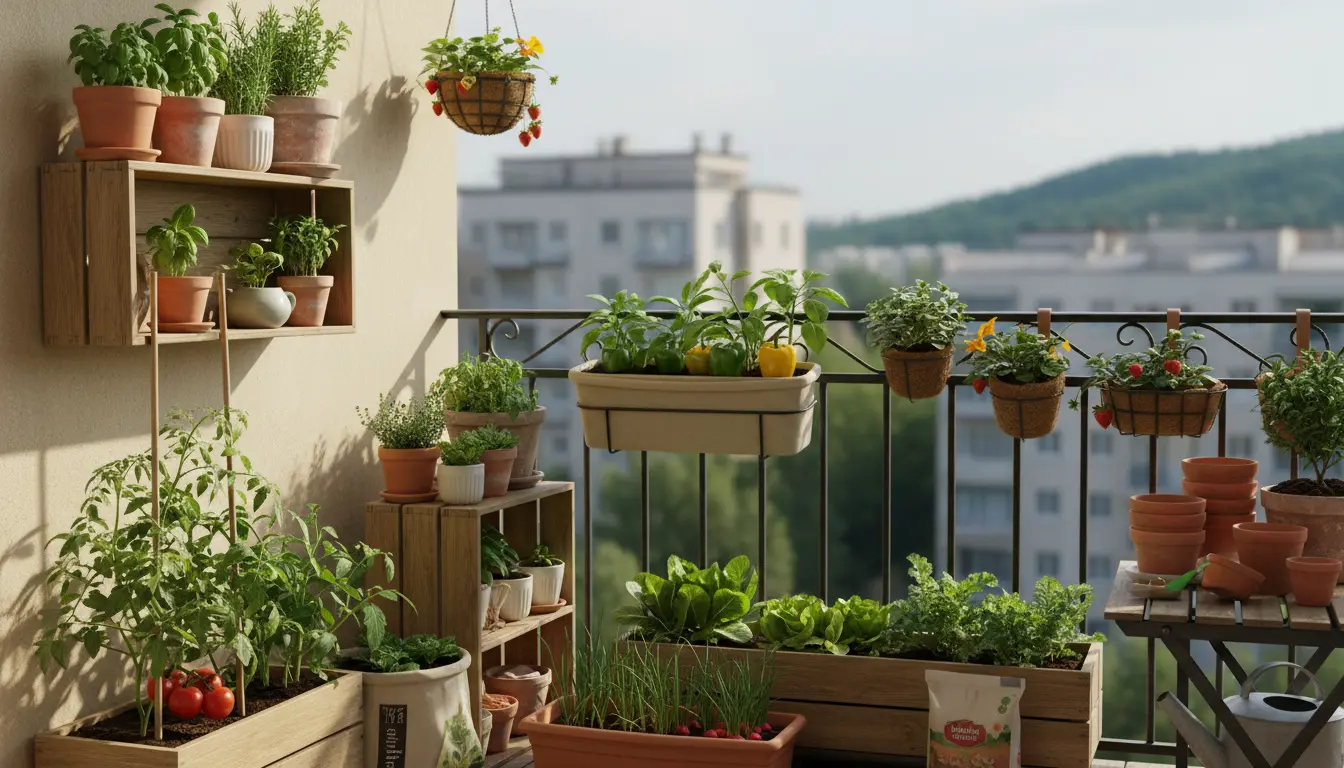
Why choose a small space vegetable garden
Growing vegetables in a small space is practical and rewarding. You can harvest fresh produce, save money, and reduce food miles even if you only have a balcony or small yard.
Small space gardens fit apartment patios, windowsills, and courtyards. They also require less weeding and can be easier to manage for busy schedules.
Plan your small space vegetable garden

Start by measuring available space and evaluating sunlight. Most vegetables need 6–8 hours of direct sun, so map bright spots on your balcony or yard through the day.
Consider weight limits, wind exposure, and access to water. Sketch a simple layout showing containers, a vertical frame, or a small raised bed.
Essential planning checklist
- Measure length, width, and available height.
- Record sun hours and shaded areas.
- Choose containers or a raised bed based on weight limits.
- Plan for watering: hose, bucket, or drip irrigation.
- Decide on a planting schedule for your climate zone.
Best plants for a small space vegetable garden
Choose crops that give high yields in small footprints. Compact varieties, bush types, and vertical growers are ideal.

Examples include dwarf tomatoes, lettuce, spinach, radishes, herbs, bush beans, and baby carrots. Vining crops like cucumbers and peas can climb supports to save ground area.
Plants grouped by container suitability
- Small pots (6–8 in): Herbs, microgreens, radishes.
- Medium pots (10–14 in): Lettuce, spinach, bush beans, baby carrots.
- Large pots (18–24 in): Dwarf tomatoes, peppers, eggplant.
- Vertical supports: Cucumbers, pole beans, peas, indeterminate tomatoes.
Soil, containers, and watering for small space vegetable garden
Use a high-quality potting mix, not garden soil. Potting mixes drain well and contain organic matter and nutrients suited for containers.
Select containers with drainage holes to prevent waterlogging. Consider self-watering containers or adding a reservoir to reduce daily watering needs.
Quick container tips
- Choose containers sized to the plant’s root needs; bigger containers retain moisture longer.
- Add a layer of coarse material only if drainage is poor; otherwise, fill with potting mix to the top.
- Use slow-release fertilizer or liquid feed according to crop needs.
- Place saucers to protect decking from stains and moisture damage.
Planting schedule and maintenance
Stagger plantings to extend harvests and avoid a single glut of produce. For example, plant lettuce every two weeks for continuous leaves.
Key maintenance tasks: regular watering, feeding, pruning, and pest checks. Small gardens are easier to monitor, so address issues early to prevent spread.
Seasonal checklist
- Spring: Start seeds indoors or buy seedlings; prepare containers and soil.
- Summer: Water deeply and regularly; harvest frequently to encourage more production.
- Fall: Sow cool-season crops like spinach and kale; clear spent plants and replenish soil.
- Winter: Protect containers from freezing or move them indoors for herbs and microgreens.
Vertical growing can increase yield per square foot by up to 60 percent compared to ground planting. Using trellises or hanging baskets turns wasted vertical space into productive area.
Simple pest management for small space vegetable garden
Keep pests in check with preventive measures. Inspect leaves weekly and remove damaged foliage promptly.
Use floating row covers, companion planting, and hand-picking for common pests. As a last resort, choose targeted organic sprays like insecticidal soap or neem oil.
Small real-world example: Balcony to table in six weeks
Case study: A two-person household converted a 6 ft by 3 ft balcony into a productive vegetable spot. They used three 18-inch pots for dwarf tomatoes and peppers, two troughs for mixed lettuces, and a vertical trellis for cucumbers.
Within six weeks, they harvested baby greens twice a week and the first cherry tomatoes. The setup used drip irrigation on a small timer and slow-release fertilizer, making maintenance under 15 minutes per day.
Cost and tools for a small space vegetable garden
Start-up costs vary, but you can begin on a modest budget. Essentials include containers, potting mix, seeds or seedlings, basic hand tools, and a watering can or hose attachment.
Consider second-hand containers or repurposed buckets to cut costs. As you scale, invest in quality potting mix and a simple trellis or frame.
Basic tool list
- Hand trowel and cultivator
- Pruners or scissors for harvesting
- Watering can or soaker hose
- pH test kit (optional)
- Small trellis, stakes, or netting
Final tips for ongoing success
Keep a simple garden journal noting planting dates, harvests, and issues. This helps refine timing and crop choices over seasons.
Start small and expand as you gain confidence. With good planning, even a tiny balcony can supply regular fresh vegetables and herbs.
Ready to start? Measure your space today, pick three easy crops, and set up containers this weekend. Small actions lead to steady harvests.