
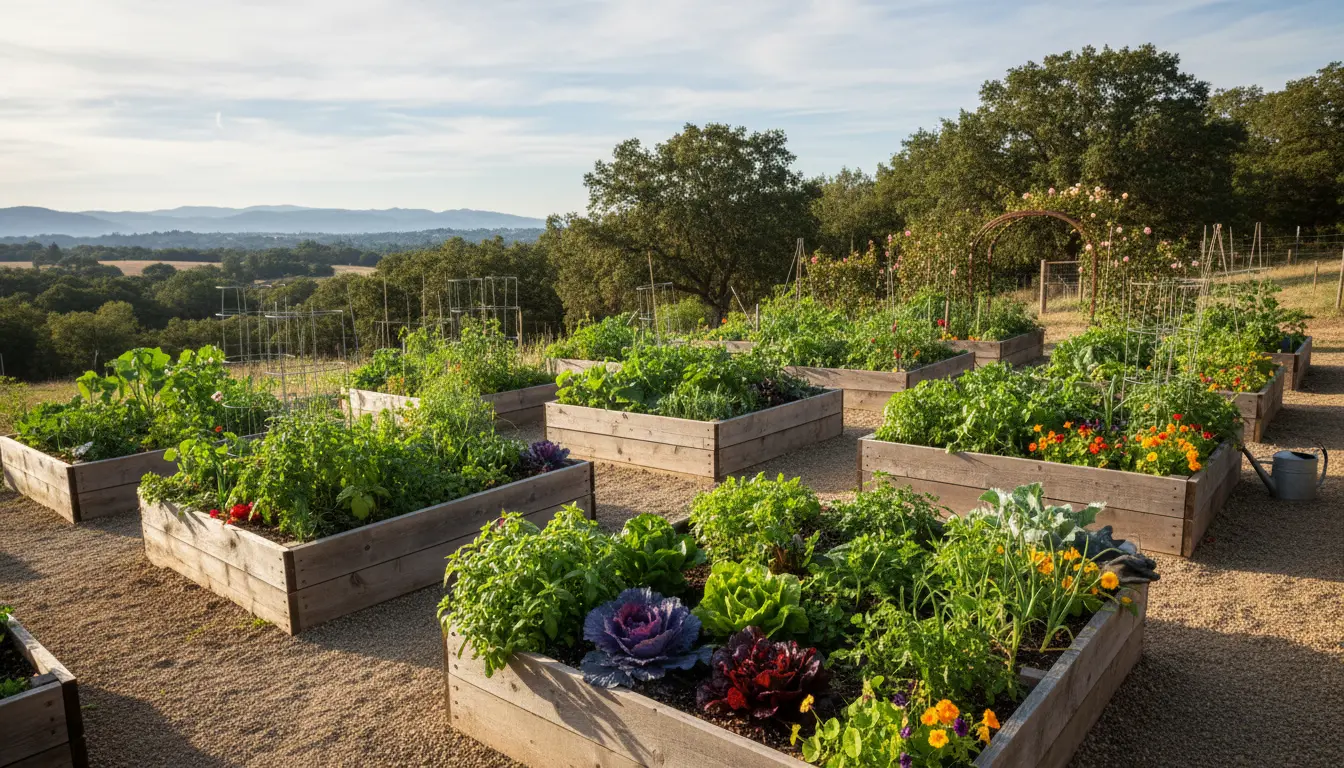
Why choose a raised bed vegetable garden
Raised bed vegetable gardens are efficient, easier to manage, and often produce better yields than in-ground plots. They improve soil drainage, warm up earlier in spring, and reduce back strain when you plant and harvest.
This guide walks through planning, building, planting, and maintaining a raised bed vegetable garden that delivers results for beginners and experienced gardeners.
Planning your raised bed vegetable garden
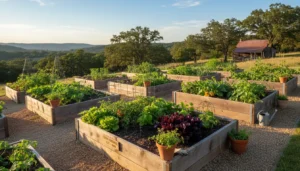
Start by choosing a location with at least 6 to 8 hours of direct sunlight per day. Good sun exposure is critical for most vegetables, especially tomatoes, peppers, and eggplants.
Decide on bed size and orientation. Common beds are 4 feet wide so you can reach the center from either side without stepping into the bed.
- Standard sizes: 4×4, 4×8, or 3×6 feet.
- Depth: 12 to 18 inches for most vegetables; 24 inches for root crops like carrots and parsnips.
- Orientation: north-south for even sun exposure across rows.
Materials and cost considerations
Choose rot-resistant wood (cedar), composite boards, or modular metal/plastic kits. Avoid treated wood that can leach chemicals into soil.
Estimate costs: a DIY 4×8 cedar bed might cost $100–$200 for materials; kits vary widely. Use reclaimed wood if you want to lower expense, but verify it’s safe for food-growing.
Soil mix for a raised bed vegetable garden
Good soil is the most important factor for success. A balanced mix gives structure, drainage, and nutrients for steady growth.
Use a simple, effective mix:
- 40% topsoil or screened garden soil
- 40% high-quality compost
- 20% coarse sand or perlite for drainage
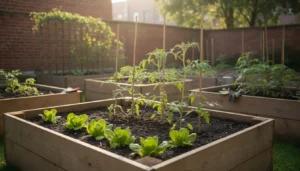
Alternatively, many gardeners use 60% compost and 40% screened topsoil for nutrient-dense beds. Amend annually with 2–3 inches of compost.
Soil testing and amendments
Test soil pH before planting. Most vegetables prefer pH 6.0–7.0. Add lime to raise pH or sulfur to lower it, following test recommendations.
Add slow-release organic fertilizer or granular balanced fertilizer at planting, then side-dress with compost mid-season for heavy feeders.
Planting and crop selection for a raised bed vegetable garden
Plan crops by height and root depth. Put taller plants (tomatoes, corn) on the north side to avoid shading shorter crops. Use square-foot gardening or row spacing for efficient planting.
Rotate crops yearly to prevent disease buildup. Avoid planting the same family in the same bed for more than one season in a row.
- Warm-season crops: tomatoes, peppers, cucumbers, squash.
- Cool-season crops: lettuce, spinach, radishes, peas.
- Succession planting: sow quick crops (radishes, lettuce) between slower growers to maximize harvest.
Seed vs starts and timing
Direct-seed root crops and quick greens. Use transplants for tomatoes, peppers, and brassicas to get a head start. Check local frost dates to time planting properly.
Use row covers or cold frames to extend the season at either end.
Watering, mulching, and maintenance
Raised beds dry faster than in-ground plots, so regular watering is essential. Drip irrigation or soaker hoses deliver water efficiently and reduce disease risk.
Mulch with straw, shredded leaves, or wood chips to conserve moisture, suppress weeds, and stabilize soil temperature.
- Water deeply 1–2 times per week depending on weather.
- Monitor soil moisture with a finger test: soil should feel moist, not soggy or bone dry.
- Stake and prune indeterminate tomatoes to improve airflow and reduce disease.
Pest and disease management
Inspect plants weekly for signs of pests and disease. Remove affected leaves and use row covers for early-season protection against insects.
Encourage beneficial insects with flowering herbs and companion plants like marigolds, basil, and borage.
Seasonal care and crop rotation
At season’s end, remove spent plants and add a thick layer of compost. Plant a cover crop such as clover or winter rye in fall to build soil structure and suppress weeds.
Rotate plant families: nightshades (tomatoes, peppers) → brassicas (cabbage, kale) → legumes (beans, peas) to help break pest cycles.
Raised bed gardens can produce up to four times more food per square foot than traditional row gardens because of denser planting and better soil control.
Simple case study: 4×8 beginner bed
Example: Maria used a 4×8 cedar bed filled with a 60/40 compost-topsoil mix. She planted 4 tomato plants, 8 pepper seedlings, and 12 lettuce heads in succession.
Results: First-year harvest included 40 lbs of tomatoes, several dozen peppers, and continuous lettuce harvest for three months. Annual compost top-up improved yields in year two.
Common mistakes to avoid with a raised bed vegetable garden
- Making beds too wide — avoid widths over 4 feet unless you have access to the center.
- Using poor soil or no compost — raised beds need quality soil to be productive.
- Overwatering or poor drainage — ensure good drainage and use drip irrigation if possible.
Quick checklist before you start your raised bed vegetable garden
- Choose sunny location and measure available space.
- Select bed size and materials (avoid treated wood).
- Buy or mix quality soil and compost.
- Plan crop layout, rotation, and planting calendar.
- Install drip irrigation or plan a watering schedule.
Following these practical steps will put you on track to build a productive raised bed vegetable garden. Start small, keep records of what works, and adjust soil and plant choices year to year for steady improvement.