
Why Choose a Raised Bed Vegetable Garden
Raised bed vegetable gardens give better soil control, improved drainage, and easier access than in-ground beds. They warm up faster in spring and can increase yields in a small space.
This guide shows a step-by-step method to plan, build, plant, and maintain a raised bed vegetable garden for reliable results.
How to Start a Raised Bed Vegetable Garden

Starting a raised bed vegetable garden begins with clear planning and simple materials. Follow the steps below to avoid common mistakes and get a productive bed quickly.
Choose Location and Size for a Raised Bed Vegetable Garden
Pick a level spot with at least 6 hours of direct sun for most vegetables. Good sunlight is essential for tomatoes, peppers, and many leafy greens.
Common bed sizes are 4 feet wide by 8 feet long. A 4-foot width lets you reach the center from either side without stepping in the bed.
Build or Buy Raised Beds
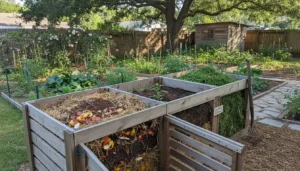
Materials: rot-resistant wood (cedar), composite boards, galvanized steel, or concrete blocks work well. Avoid pressure-treated wood that may leach chemicals into the soil.
Construction tips:
- Use 6–12 inch bed depth for most vegetables; 12–18 inches if you want root crops like carrots.
- Ensure corners are square and beds are level so water distributes evenly.
- Add a simple drip irrigation line or soaker hose for easier watering.
Soil Mix for a Raised Bed Vegetable Garden
Good soil is the most important factor for success. A recommended mix is one-third topsoil, one-third compost, and one-third coarse organic matter like coconut coir or aged bark.
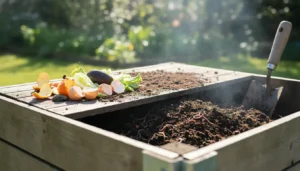
Example soil mix (by volume):
- 40% quality topsoil
- 40% well-aged compost
- 20% aeration material (coir, perlite, or shredded bark)
Test soil pH; most vegetables prefer pH 6.0–7.0. Add lime or sulfur only after a soil test recommends it.
Planting and Maintenance for Raised Bed Vegetable Garden
Plan your crops by companion planting and crop rotation to reduce pests and soil depletion. Use succession planting to maximize harvests across the season.
Planting Layout and Timing
Group plants by water needs and height. Put tall support plants like tomatoes on the north side so they don’t shade shorter crops.
Sow cool-season crops (lettuce, spinach) early and use the freed space for warm-season transplants (peppers, eggplant) later.
Watering and Fertilizing a Raised Bed Vegetable Garden
Water deeply and less frequently to encourage deep roots. Aim for consistent moisture—raised beds can dry out faster than ground beds.
- Install drip irrigation or use soaker hoses on a timer.
- Top-dress with compost every spring and midseason for nutrients.
- Use balanced organic fertilizer if plants show nutrient deficiency signs.
Pest and Disease Management
Monitor plants weekly for pests and disease. Use row covers for early-season insect control and remove diseased foliage promptly.
Encourage beneficial insects with flowering herbs and avoid broad-spectrum pesticides that harm pollinators.
Harvesting and Year-Round Care for Raised Bed Vegetable Garden
Harvest regularly to encourage production, especially for crops like beans and zucchini. Pick leafy greens early to keep them tender and productive.
In fall, clear spent plants and add a thick layer of compost or mulch. Consider planting a cover crop to protect and rebuild soil over winter.
Small Real-World Example
Case Study: A suburban family in Portland started four 4×8 raised beds with 12-inch depth. They used a 40/40/20 soil mix and drip irrigation.
That first season they grew tomatoes, lettuce, carrots, and basil. Tomatoes produced about 20–30 lbs per bed and leafy greens were harvested weekly through early fall. Regular compost top-dressing and consistent watering were key to steady yields.
Quick Checklist to Start Your Raised Bed Vegetable Garden
- Pick sunny location and plan bed size (4×8 recommended).
- Choose safe building materials and confirm bed depth.
- Mix quality topsoil, compost, and aeration material.
- Plan crop layout, plant spacing, and succession planting.
- Install drip irrigation and add mulch to retain moisture.
- Monitor pests, add compost annually, and rotate crops yearly.
Final Tips for a Successful Raised Bed Vegetable Garden
Start small and expand after you gain experience. Keep a simple garden journal with planting dates, varieties, and harvest notes to improve next season.
With basic planning, good soil, and regular maintenance, a raised bed vegetable garden can produce more food in less space and make gardening easier for beginners and experienced growers alike.