
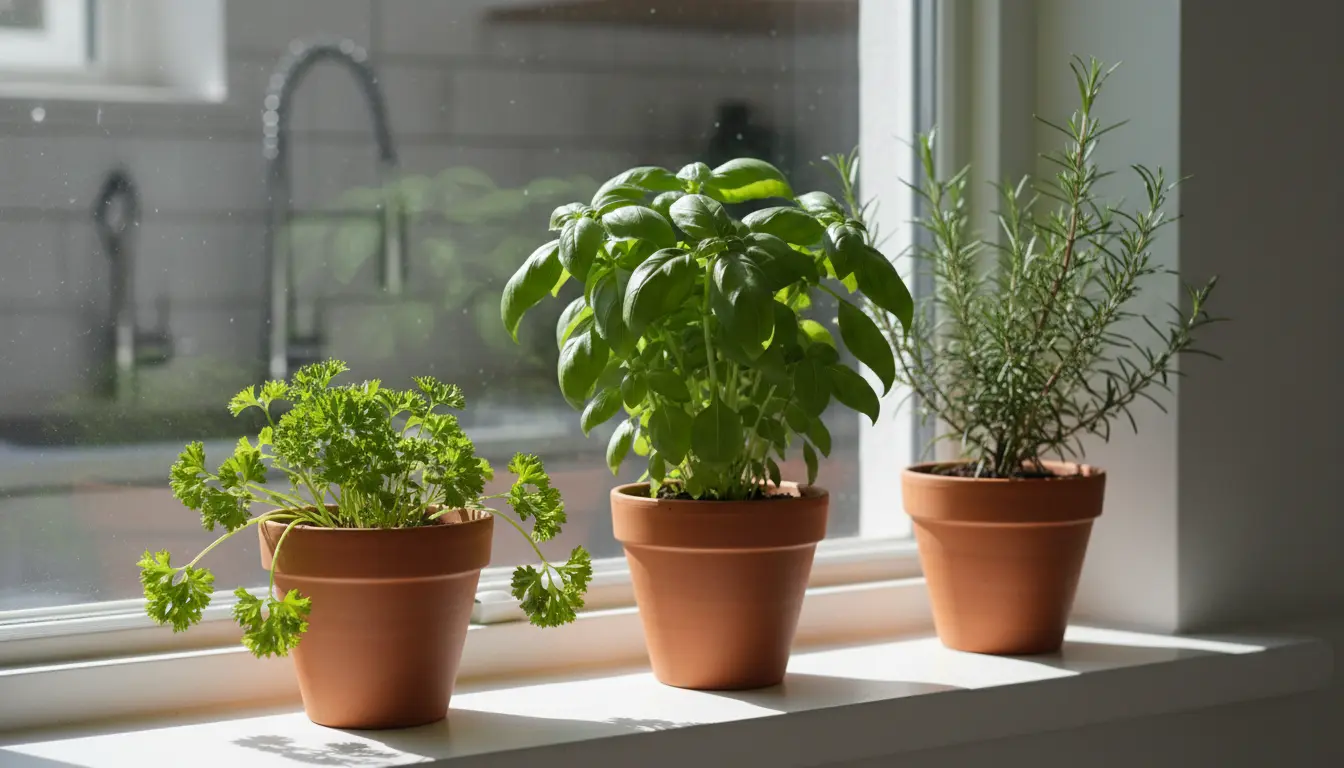
Growing herbs in your kitchen is one of the easiest ways to add fresh flavor to meals and reduce grocery trips. This guide shows step-by-step how to start a kitchen herb garden with simple tools and consistent care.
Start a Kitchen Herb Garden: Quick Overview
Before you buy soil or seedlings, decide where your herbs will live and how much time you can spend on care. Many herbs thrive on a sunny windowsill and need only a few minutes a day for watering and pruning.
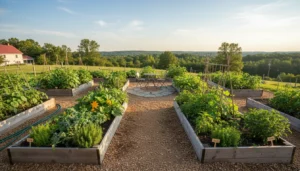
This section gives a fast checklist to get started so you can move to planting quickly.
- Choose a bright location with 4–6 hours of direct light.
- Select 3–6 easy herbs for your first garden.
- Use well-draining pots and a light potting mix.
- Water when top 1 inch of soil is dry; avoid overwatering.
Start a Kitchen Herb Garden: Planning and Location
Light is the most important factor when you start a kitchen herb garden. Most culinary herbs need bright, indirect light or several hours of direct sun.
Check window orientation: south- or west-facing windows give the most light in the Northern Hemisphere. East-facing windows work too for moderate sun.
Start a Kitchen Herb Garden: Choosing Containers and Soil
Pick containers with drainage holes to prevent soggy roots. Use pots at least 4–6 inches deep for small herbs and 8–12 inches for larger plants or mixed pots.
Use a lightweight potting mix designed for containers. Avoid garden soil, which can compact and hold too much water indoors.
- Container types: terracotta, plastic, ceramic (with drainage).
- Soil: commercial potting mix with perlite or vermiculite.
- Optional: add a layer of gravel or broken pot shards for extra drainage.
Best Herbs for a Kitchen Herb Garden
Start with forgiving, frequently used herbs. These recover well from pruning and suit indoor conditions.
- Basil — great for warm, sunny spots.
- Parsley — tolerates moderate light and regular harvesting.
- Chives — hardy and compact; mild onion flavor.
- Rosemary — prefers bright light and drier soil.
- Mint — vigorous grower; keep in its own pot to avoid spreading.
Start a Kitchen Herb Garden: Planting and Care
Plant small seedlings or start from seed based on your comfort and budget. Seedlings establish quicker, while seeds are cheaper and offer more variety.
Plant so the root ball sits at the same level as before in the container. Water thoroughly after planting to settle the soil around roots.
Watering and Feeding
Water on a schedule that reflects the plant needs and indoor climate. Check soil moisture with your finger: water when the top 1 inch feels dry.
Feed weekly or every two weeks during the growing season with a balanced liquid fertilizer diluted to half strength. Avoid overfertilizing, which can reduce flavor intensity.
Pruning and Harvesting
Regular harvesting encourages bushier growth. For basil and many leafy herbs, pinch the top sets of leaves just above a node to promote branching.
Never remove more than one-third of the plant at a time. For rosemary and other woody herbs, trim selectively to shape and encourage new growth.
Start a Kitchen Herb Garden: Troubleshooting
Common problems are easy to fix if caught early. Watch for yellow leaves, soft stems, and slow growth.
- Yellow, limp leaves — often overwatering or poor drainage.
- Leggy stems — not enough light; move herbs to brighter location.
- Pests like aphids or whiteflies — rinse plants and use insecticidal soap if needed.
Small Real-World Example
Case study: A single renter named Maria started a kitchen herb garden on a small south-facing windowsill using three 6-inch pots. She planted basil, parsley, and chives and used a basic potting mix with weekly diluted fertilizer.
Within six weeks she had enough basil to make pesto, saved $15–$20 monthly on fresh herbs, and found the plants lasted through the winter with a grow light used two nights per week.
Tips, Examples and Quick Checklist
Keep routines simple and consistent to make your herb garden successful indoors.
- Placement: 4–6 hours direct light or supplement with a full-spectrum LED grow light.
- Watering: check soil and water deeply but infrequently.
- Fertilizer: half-strength liquid feed during active growth.
- Pruning: pinch tips to promote bushy growth and regular harvests.
Example daily routine: morning light exposure, check moisture, rotate pots weekly, harvest small amounts as needed.
Starting a kitchen herb garden is low-cost and high-reward. With a bit of planning and a few basic supplies, you can grow fresh herbs that improve meals and bring greenery into your home year-round.