
Why Start a Home Vegetable Garden
Starting a home vegetable garden gives you fresh food, saves money, and reduces trips to the store. It also connects you with the seasons and can be adapted to any yard or balcony.
Planning to Start a Home Vegetable Garden
Good planning prevents common mistakes and boosts early success. Use a simple plan that lists space, sunlight, and the vegetables you want to grow.
Sunlight and Soil When You Start a Home Vegetable Garden
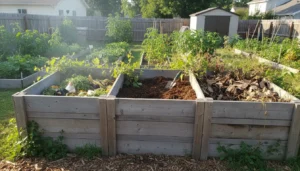
Most vegetables need 6 to 8 hours of direct sunlight daily. Observe the site at different times of day to confirm light levels.
Test the soil or use a store-bought kit to check pH and basic nutrients. If soil tests are unavailable, raised beds or containers with quality mix give reliable results.
Space and Containers for a Home Vegetable Garden
Decide whether you will use in-ground beds, raised beds, or containers. Containers are ideal for small spaces and make soil control easier.
- Raised beds: better drainage and fewer weeds.
- Containers: flexible layout and portable for variable light.
- In-ground: cost-effective for larger yards.
Leafy greens like lettuce and spinach can produce harvests in as little as 30 days under good conditions.
Choosing Vegetables to Start a Home Vegetable Garden
Choose easy, productive crops for your first season to build confidence. Pick varieties suited to your climate and space.
- Beginner-friendly vegetables: tomatoes, lettuce, radishes, bush beans, herbs, and peppers.
- Choose determinate tomato varieties for containers and compact spaces.
- Pair quick crops (radishes) with slower ones (tomatoes) to maximize space.
How to Sequence Planting in Your Home Vegetable Garden
Use succession planting to keep beds productive. Sow a new row of fast growers every 2–3 weeks.
This approach ensures continuous harvests and reduces the time beds sit empty.
Soil Preparation and Planting for a Home Vegetable Garden
Healthy soil is the foundation of a productive garden. Focus on structure, organic matter, and drainage.
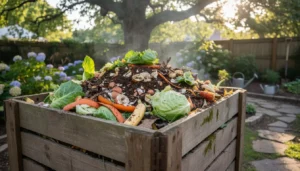
- Amend soil with compost at planting time, about 2–4 inches mixed into the top 6–8 inches.
- For containers, use a quality potting mix designed for vegetables, not garden soil.
- Plant at the correct depth and spacing shown on seed packets or plant tags.
Watering, Fertilizing, and Maintenance for a Home Vegetable Garden
Consistent watering is more important than large, infrequent soakings. Aim for even moisture but avoid waterlogging.
- Water in the morning to reduce disease risk and evaporation.
- Mulch beds with straw or wood chips to retain moisture and suppress weeds.
- Use a balanced organic fertilizer or compost tea during the growing season as needed.
Pest Control and Disease Management in a Home Vegetable Garden
Start with prevention: maintain good air circulation, rotate crops, and remove diseased plants quickly. Hand-pick pests where possible.
Organic options include insecticidal soap, neem oil, and row covers. Use chemical controls only as a last resort and follow label instructions.
Troubleshooting Common Problems in a Home Vegetable Garden
Identify problems early by checking plants weekly. Look for yellowing leaves, stunted growth, or damaged foliage.
- Yellow leaves: check for nutrient deficiency or overwatering.
- Stunted plants: confirm sunlight levels and root space.
- Chewed leaves: inspect undersides for caterpillars or slugs at dusk.
Small Real-World Example or Case Study
Case study: Sarah had a small balcony and wanted fresh tomatoes and herbs. She chose a narrow raised planter and two large pots, placing them where they received 7 hours of afternoon sun.
She used a loamy potting mix amended with compost, planted a determinate tomato and basil, and watered every other day. By midsummer she harvested daily basil and several clusters of tomatoes per week. Proper placement, container choice, and regular watering were key to her success.
Quick Planting Checklist to Start a Home Vegetable Garden
- Assess sunlight and space for your chosen crops.
- Prepare the soil or buy quality container mix.
- Select beginner-friendly varieties and follow spacing guidelines.
- Water consistently and mulch to retain moisture.
- Inspect weekly for pests and adjust care as plants grow.
Starting a home vegetable garden is manageable with basic planning and regular care. Begin with a small, focused plot, learn from each season, and expand as confidence grows.