
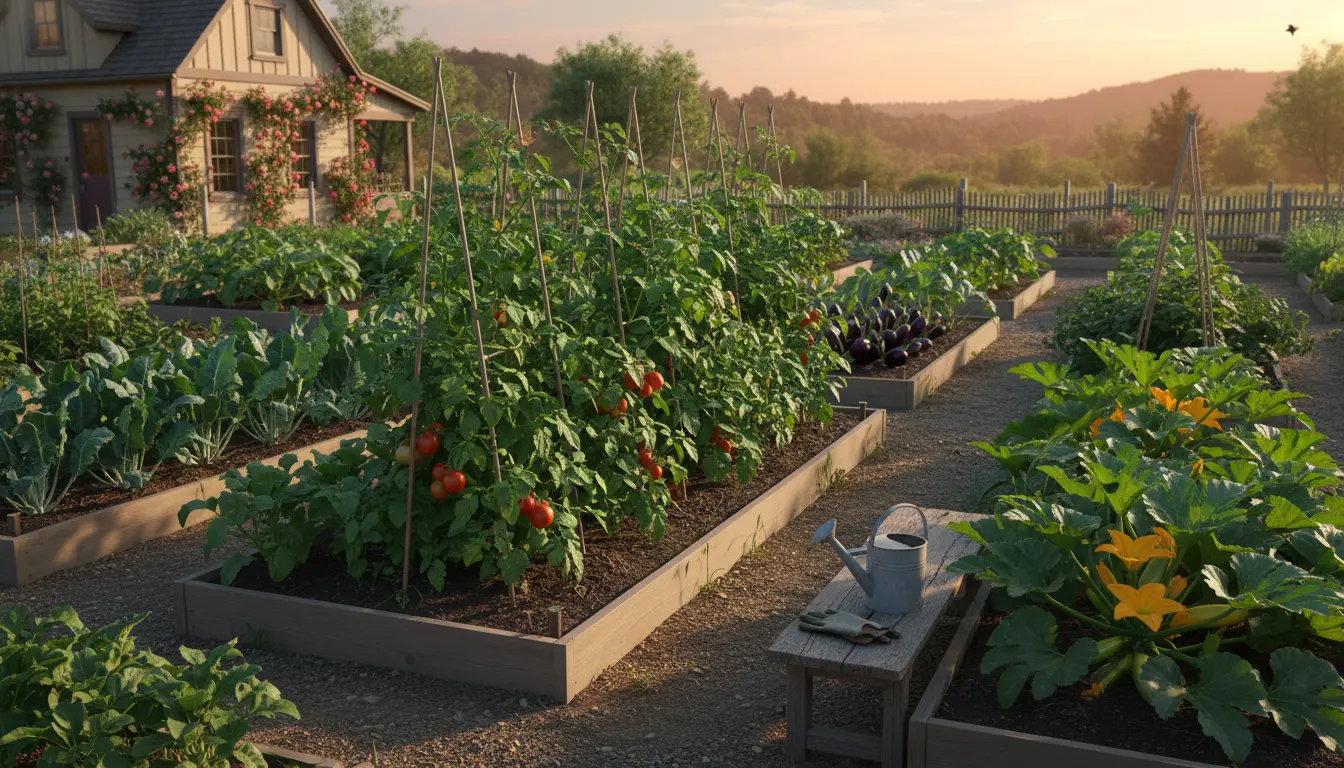
How to Start a Home Vegetable Garden
Starting a home vegetable garden is practical and rewarding. This guide covers clear steps you can follow, whether you have a backyard, balcony, or small patio.
Choose the Right Location for Your Home Vegetable Garden
Select a spot that gets 6 to 8 hours of direct sunlight daily for most vegetables. Good sunlight improves yield and disease resistance.
Consider access to water, wind protection, and convenience for daily care. If sunlight is limited, choose shade tolerant crops or container gardening.
Prepare Soil for a Healthy Home Vegetable Garden
Healthy soil is the foundation of a productive garden. Test your soil pH using a simple kit to check for acidity or alkalinity.
- Loosen soil to 12 inches depth for root vegetables.
- Incorporate 2 to 4 inches of compost to improve structure and nutrients.
- Add organic matter like leaf mold or well aged manure for better moisture retention.
Plan What to Plant in Your Home Vegetable Garden
Start with easy, high-yield vegetables that match your climate and space. Good beginner choices include lettuce, radishes, tomatoes, beans, and herbs.
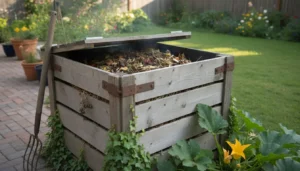
Use succession planting to maximize harvests: plant a new row every 2 to 3 weeks for crops like salad greens and radishes.
Decide Between Seeds and Transplants
Seeds are cheaper and offer more variety. Transplants give faster results and are helpful for short growing seasons.
- Start seeds indoors 6 to 8 weeks before last frost for tomatoes and peppers.
- Buy sturdy transplants for brassicas and tomatoes if you prefer a head start.
Planting Tips for a Home Vegetable Garden
Follow spacing recommendations on seed packets or plant tags. Proper spacing reduces competition and improves airflow.

Backfill planting holes gently and firm soil around roots. Water well after planting to settle soil and reduce transplant shock.
Watering and Fertilizing Your Home Vegetable Garden
Most vegetables need about 1 inch of water per week, delivered deeply and evenly. Early morning watering reduces disease risk.
- Use a soaker hose or drip irrigation for efficient watering.
- Apply a balanced organic fertilizer at planting and side dress with compost midseason.
Pest and Disease Management in a Home Vegetable Garden
Inspect plants regularly and use early interventions. Handpick pests, use row covers for young plants, and rotate crops each year.
Promote beneficial insects by planting flowers like marigolds, nasturtiums, and herbs. Avoid broad spectrum pesticides that harm pollinators.
Common Problems and Simple Fixes
- Yellowing leaves: check for overwatering or nutrient deficiency.
- Stunted growth: test soil and adjust pH or add compost.
- Chewed leaves: use physical barriers or hand removal for small infestations.
Harvesting and Storage from Your Home Vegetable Garden
Harvest vegetables at peak maturity for best flavor. Pick tomatoes when firm ripe and greens early in the day for crisp texture.
Store produce properly: cool root crops, refrigerate leafy greens, and keep tomatoes at room temperature until use.
One square meter of well planted garden can yield enough salad greens for a family of four for several months with succession planting.
Small Real World Example
Case Study: Maria, an apartment resident, used two 18 inch containers on her balcony. She planted cherry tomatoes, basil, and lettuce in spring.
By using potting mix with compost and a drip watering timer, Maria harvested tomatoes for three months and saved money on groceries while learning pest control basics.
Common Mistakes to Avoid in Your Home Vegetable Garden
- Overwatering young plants which causes root rot.
- Planting too densely, leading to disease and poor yields.
- Ignoring soil fertility; regular compost keeps plants healthy.
Quick Seasonal Checklist for Home Vegetable Garden Success
- Spring: test soil, start seeds, plant cool season crops.
- Summer: water deeply, stake tall plants, monitor pests.
- Fall: harvest, clear spent plants, add compost and mulch.
Final Tips to Maintain a Home Vegetable Garden
Keep a simple journal of planting dates, varieties, and harvest amounts. Notes help improve decisions next season.
Start small, expand as you gain confidence, and enjoy steady progress. A productive home vegetable garden is built with consistent simple care.