
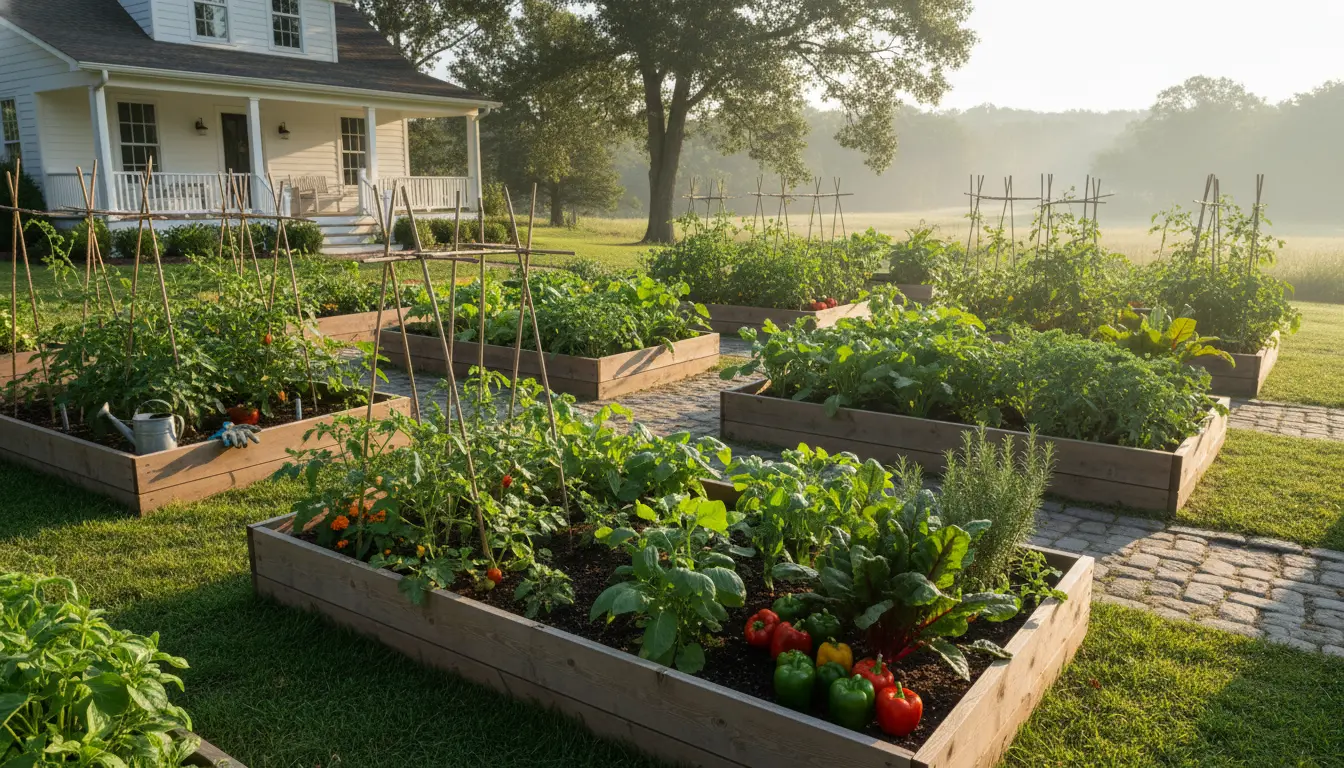
Growing your own vegetables is rewarding and can save money. This guide gives clear, practical steps to plan, plant, and maintain a productive home vegetable garden you can manage all year.
Why start a home vegetable garden
A home vegetable garden supplies fresh produce, improves food security, and reduces grocery costs. It also encourages outdoor activity and can improve soil health over time.
Even a small space can yield a surprising amount of food if planned carefully and maintained regularly.
Planning your home vegetable garden
Good planning prevents common problems and makes the garden easier to manage. Focus on location, size, soil, and plant choices before you buy materials.
Choose the right location for a home vegetable garden
Select a spot that gets 6–8 hours of direct sunlight daily for most vegetables. Ensure easy access to water and a flat area for beds or containers.
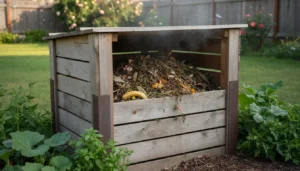
Avoid low areas where water pools or locations shaded by large trees.
Select soil and beds for a home vegetable garden
Healthy soil is the foundation. Use raised beds, containers, or in-ground plots with amended soil. Aim for loose, well-draining soil rich in organic matter.
- Quick test: dig 6 inches and check texture. Add compost to improve fertility.
- Raised beds warm faster and reduce compaction.
- Containers are best for patios and balconies.
Pick crops for beginners in a home vegetable garden
Start with easy, fast-growing vegetables. Choose varieties suited to your climate and season.
- Lettuce, spinach, and radishes for quick harvests.
- Tomatoes, peppers, and bush beans for higher yields.
- Herbs like basil, parsley, and chives for continuous use.
Step-by-step to start a home vegetable garden
- Measure and map: Draw a simple layout showing beds, paths, and water source.
- Prepare soil: Remove weeds, loosen soil, and add 2–3 inches of compost.
- Build beds or set containers: Use untreated wood, stone, or store-bought planters.
- Plant at the right time: Follow seed packet dates or local planting calendars.
- Mulch and water: Apply mulch to retain moisture and water deeply, 1–2 times per week depending on weather.
- Label rows: Mark what you planted and the date to track progress.
Maintenance tips for a healthy home vegetable garden
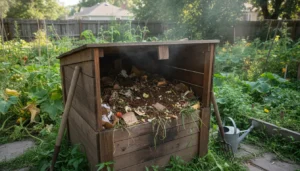
Consistent care keeps plants productive and reduces pest problems. Build weekly habits: check soil moisture, remove weeds, and inspect for pests.
Watering and fertilizing
Water at the base of plants to avoid wetting foliage. Deep watering encourages strong roots. Use a balanced organic fertilizer or compost tea during the growing season.
Pest and disease control
Use simple, low-toxicity strategies first: hand-pick pests, use row covers, and encourage beneficial insects with flowering plants.
- Rotate crops yearly to reduce soil-borne diseases.
- Remove diseased leaves promptly to limit spread.
Succession planting and crop rotation
Succession planting keeps beds productive: sow quick crops between slower ones. Rotate families of crops to different beds each year to reduce pest buildup.
Small real-world example: a backyard raised bed case study
Case study: Sarah converted a 4 x 8 ft raised bed in her backyard and started in early spring. She planted two tomato plants, four pepper plants, lettuce in rows, and bush beans at the edges.
By midsummer, she harvested enough salad greens weekly for her family of three and two large harvests of tomatoes that she canned for winter. Her initial investment was about $120 for soil, lumber, and seedlings, and she estimates a yearly savings of $200–$300 on produce.
Common mistakes and quick fixes for a home vegetable garden
- Overwatering: Fix by checking soil moisture before watering and reduce frequency.
- Planting too close: Thin seedlings to proper spacing to avoid disease and low yields.
- Poor soil: Top-dress with compost and avoid planting heavy feeders in depleted beds.
Seasonal checklist for a home vegetable garden
- Spring: Prepare beds, sow cool-season crops, start warm-season seedlings indoors.
- Summer: Mulch, water deeply, stake tall plants, harvest frequently.
- Fall: Plant cover crops, collect seeds, clean up plant debris to lower overwintering pests.
- Winter: Plan next year’s layout and order seeds early for best selection.
Starting a home vegetable garden is manageable with basic planning and weekly care. Begin small, learn from each season, and expand as you gain confidence.
Ready to begin? Sketch a simple bed plan this weekend and pick three easy crops to start your first season.