
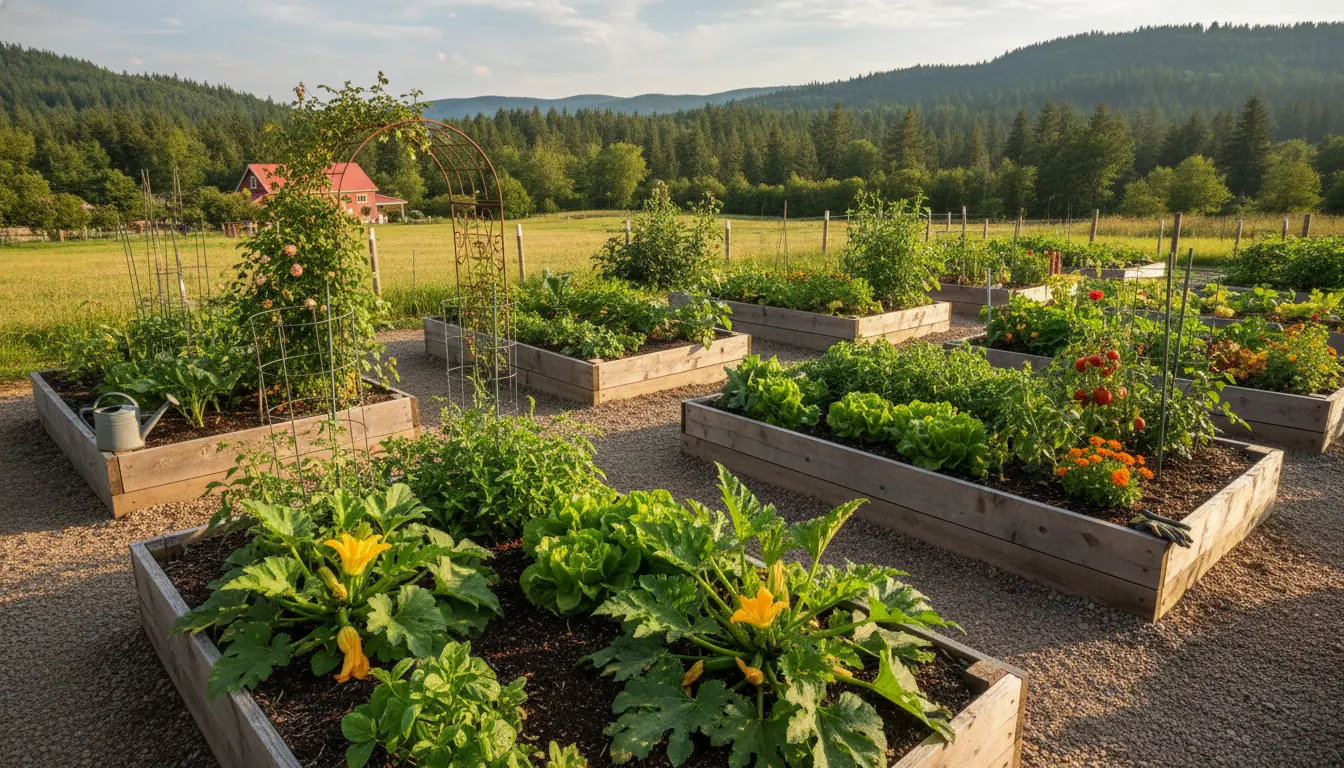
Start a Home Vegetable Garden: Quick Overview
Starting a home vegetable garden is a practical way to grow fresh food, save money, and enjoy outdoor activity. This guide gives clear steps you can follow whether you have a balcony, small yard, or several raised beds.
Why start a home vegetable garden
A home vegetable garden lets you control freshness, reduce food miles, and choose varieties not found in stores. It also teaches seasonal planning and can improve mental and physical health.
Choose the Right Site to Start a Home Vegetable Garden
Select a location with the most sun available; most vegetables need at least 6 hours of direct sunlight. Consider accessibility to water, protection from strong winds, and proximity to your kitchen for easy harvesting.
Sun, soil, and access
Observe sun patterns for a few days to confirm hours of direct light. Avoid low spots that collect water; good drainage prevents root rot and soil compaction. Place beds near a water source to reduce daily effort.
Prepare Soil and Containers for a Home Vegetable Garden
Healthy soil is the foundation of a productive garden. Whether using in-ground beds or containers, focus on structure, nutrients, and pH balance.
Soil preparation steps
- Test soil pH with a kit; most vegetables prefer pH 6.0–7.0.
- Amend heavy clay with compost and coarse sand for drainage.
- Add 2–4 inches of compost yearly to maintain fertility.
- Use quality potting mix for containers with good drainage and aeration.
Select Vegetables and Planting Schedule
Choose vegetables suited to your climate and season. Start with a mix of fast-growing greens and a couple of easy fruiting plants like tomatoes or peppers.
Beginner-friendly plants
- Leafy greens: lettuce, spinach, arugula
- Roots: radishes, carrots
- Fruit-bearing: cherry tomatoes, bush beans, peppers
- Herbs: basil, parsley, chives
Consult your local planting calendar and stagger sowing dates to extend harvests.
Watering, Fertilizing, and Maintenance
Consistent watering and light feeding are more effective than heavy fertilization. Focus on moist but not waterlogged soil and regular pest checks.
Practical maintenance tips
- Water early morning to reduce evaporation and disease risk.
- Use drip irrigation or soaker hoses for even moisture and water savings.
- Mulch with straw or wood chips to retain moisture and suppress weeds.
- Feed with balanced organic fertilizer or compost tea every 4–6 weeks during the growing season.
Common Problems When You Start a Home Vegetable Garden
Pests, diseases, and nutrient deficiencies are common but manageable with early detection. Use physical barriers, crop rotation, and companion planting to reduce problems.
Quick troubleshooting
- Yellow leaves: check for overwatering or nitrogen deficiency.
- Holes in leaves: inspect for slugs, caterpillars, or beetles and remove by hand if possible.
- Poor fruit set: ensure adequate pollination and consistent moisture.
Many common vegetables, like lettuce and radishes, can be harvested in as little as 25–40 days from sowing, allowing quick returns on small garden space.
Tools and Materials to Start a Home Vegetable Garden
You don’t need expensive gear to begin. A few basic tools will keep your garden productive and manageable.
Essential list
- Hand trowel and fork for planting and loosening soil.
- Watering can or hose with adjustable nozzle.
- Mulch, compost, and organic fertilizer.
- Stakes or cages for supporting tall plants like tomatoes.
Small Case Study: Neighborhood Raised Bed Success
Case study: In a small suburban lot, a beginner named Maria converted three 4×4 raised beds to grow vegetables. She used a 60/40 mix of compost and topsoil, planted staggered lettuce and tomato varieties, and installed a simple soaker hose system.
Within 10 weeks she harvested multiple batches of lettuce and ongoing cherry tomatoes. Her approach minimized pests with row covers and saved time with the soaker hose, proving that small, well-prepared beds yield reliable produce.
Seasonal Care and Crop Rotation
Rotate plant families each year to reduce disease and nutrient depletion. Plan fall cleanup and winter cover crops to build soil for the next season.
Simple rotation plan
- Year 1: Leafy greens and root vegetables
- Year 2: Fruiting crops like tomatoes and peppers
- Year 3: Legumes (beans) to restore nitrogen
Conclusion: Keep It Simple and Learn by Doing
To start a home vegetable garden, choose a sunny site, prepare healthy soil, select easy crops, and maintain consistent care. Start small, track what works, and expand as you gain confidence.
With basic planning and routine maintenance, a home vegetable garden can provide fresh produce and steady satisfaction for years to come.