
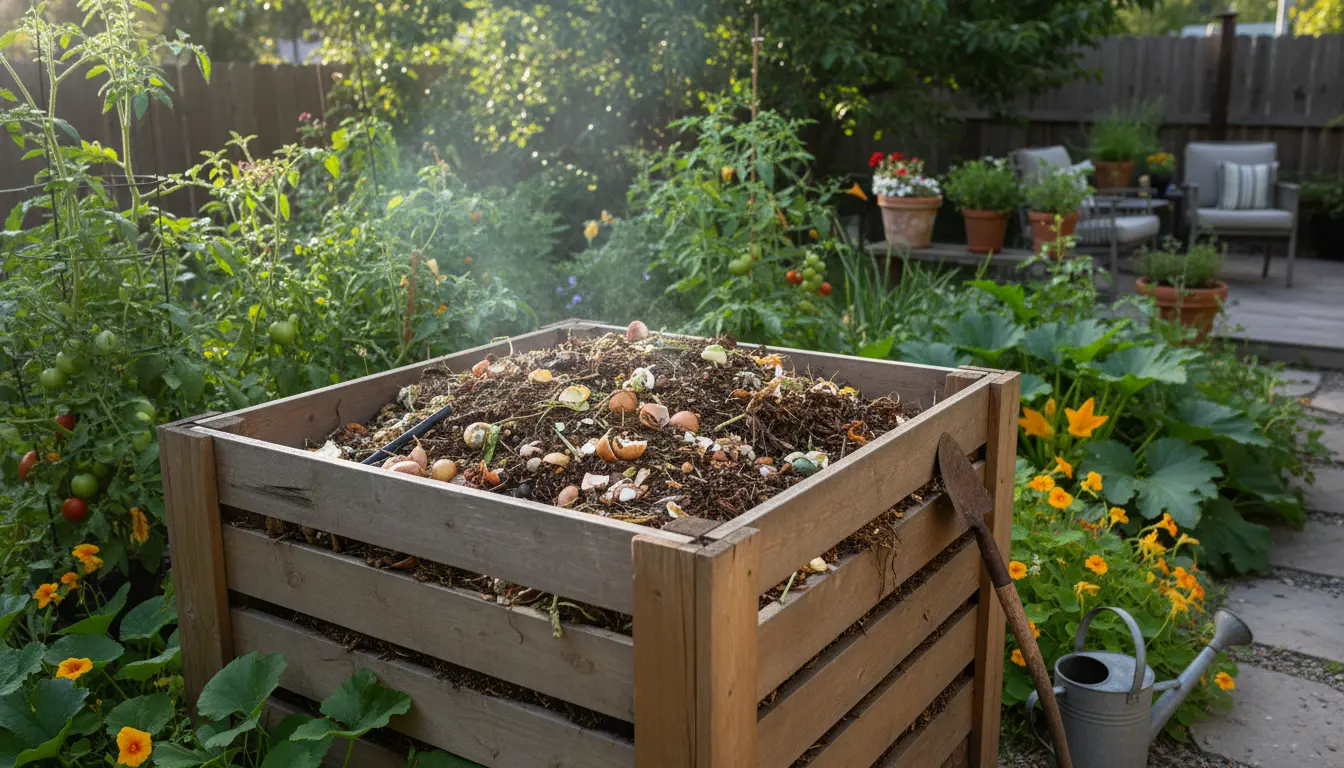
Home Composting Basics
Home composting is the controlled decomposition of organic waste into nutrient-rich soil. It reduces landfill waste and returns valuable nutrients to your garden.
This guide explains simple methods you can use at home, whether you have a backyard, balcony, or only a small kitchen.
Why Choose Home Composting
Composting cuts household waste and lowers emissions from trash hauling. It also improves soil structure and plant health when used in gardens or pots.
Many local councils offer composting rebates or free bins, so check available resources before buying equipment.
Setting Up Your Home Composting System
Choose a system that fits your space and schedule. Options include a compost bin, tumbling composter, or simple open heap.
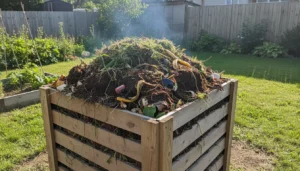
Key components are a container, adequate airflow, balanced materials, and moisture control.
Materials to Use
Compost needs a balance of carbon (browns) and nitrogen (greens). Aim for a mix close to 30:1 carbon to nitrogen by volume.
- Browns: dry leaves, shredded paper, cardboard, straw.
- Greens: fruit and vegetable scraps, coffee grounds, grass clippings.
- Avoid: meat, dairy, oils, diseased plants, and pet waste from carnivores.
Choosing the Right Bin
Tumbling bins speed up decomposition and need regular turning. Stationary bins are cheaper and work well if turned with a pitchfork.
If you have only a balcony, use a worm composting system (vermicompost) in a sealed container to control smells.
How to Start Home Composting: Step-by-Step
Follow these steps to create a productive compost pile at home. Each step is short and actionable.
- Pick a dry, shaded spot near a water source for outdoor bins.
- Start with a layer of coarse browns to aid drainage.
- Add greens in thin layers and cover with browns to prevent odors.
- Keep the pile moist like a wrung-out sponge; add water during dry spells.
- Turn or tumble the pile every 1–2 weeks to introduce oxygen.
Hot vs Cold Home Composting
Hot composting reaches temperatures above 55°C (131°F) and breaks down materials faster, killing most weed seeds and pathogens. It requires larger volume and regular turning.
Cold composting is low-effort and slower. It works well for small households and produces good compost in several months to a year.
Maintaining Home Composting: Tips and Troubleshooting
Regular checks avoid common problems like bad smells, pests, or slow decomposition. Small adjustments usually fix issues quickly.
Common Problems and Fixes
- Smelly pile: Add more browns and turn to aerate. Too much moisture causes odors.
- Slow breakdown: Chop materials and increase greens for nitrogen. Ensure adequate moisture and aeration.
- Pests: Avoid meat and dairy. Use a closed bin or add a fine mesh to vents.
- Excess dryness: Lightly water and cover the pile to retain moisture.
Using Finished Compost
Finished compost looks dark, crumbly, and earthy-smelling. It can be used as a soil amendment or top dressing.
Mix compost into garden beds or use as a potting mix component to improve water retention and nutrient content.
Composting one household can save up to 300 kg of CO2 equivalent per year by diverting organic waste from landfills. Finished compost also reduces the need for chemical fertilizers.
Small Real-World Case Study
Case: A suburban family of four started home composting with a 200-liter tumbling bin. They collected kitchen scraps and yard waste and followed a 3:1 ratio of browns to greens.
In six months they produced about 60 liters of finished compost. Their weekly trash volume decreased by nearly 40 percent, and their vegetable garden yields improved noticeably in the second season.
Practical Tips for Success
- Chop or shred materials to speed up decomposition.
- Keep a small countertop pail with a tight lid for kitchen scraps to reduce trips outside.
- Record what you add and how often you turn the pile; small logs help optimize the process.
- Use compost thermometer for hot composting to track temperatures.
Final Checklist Before You Start Home Composting
- Choose a bin type that fits your space and effort level.
- Collect a steady supply of browns and greens.
- Plan for aeration and moisture control.
- Start small and scale up once you understand how your system behaves.
Home composting is a low-cost, high-impact action you can take today to reduce waste and improve soil health. With a little practice you’ll turn kitchen and yard waste into a valuable resource for your garden.