
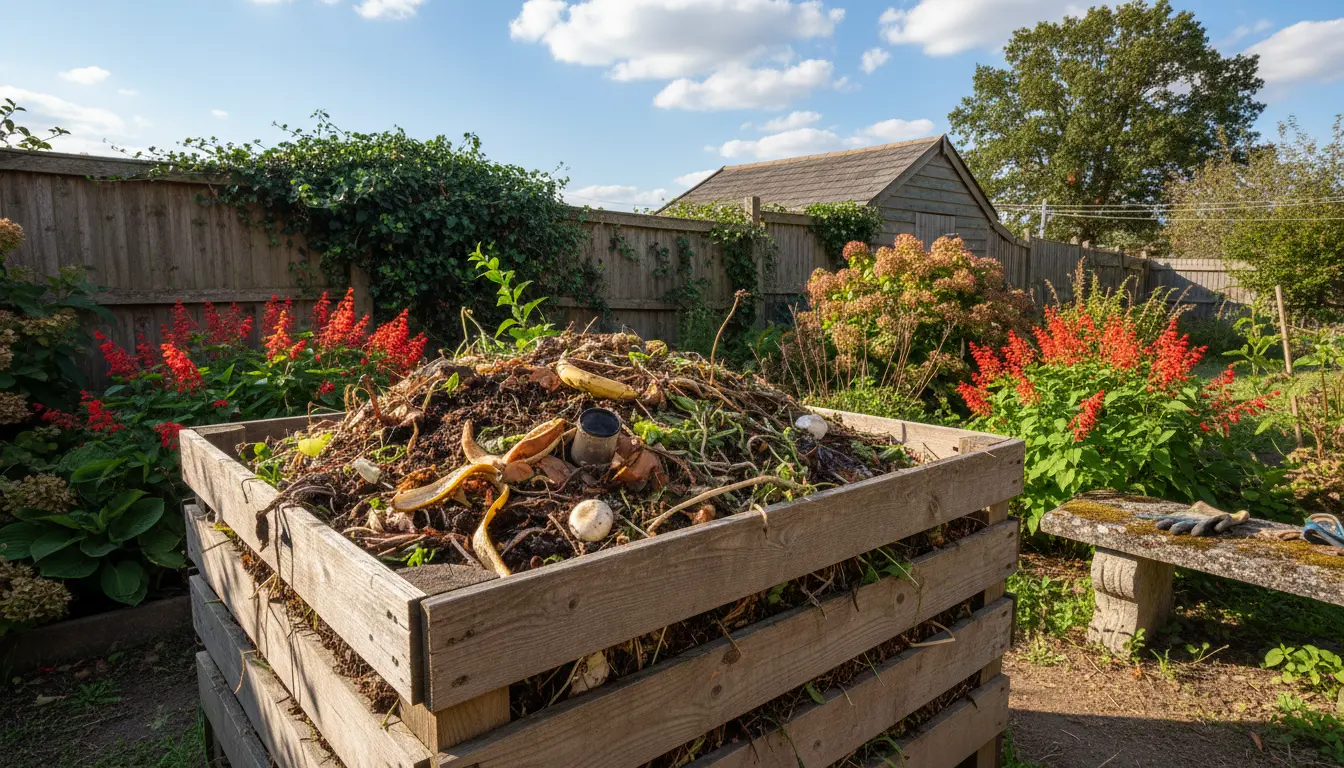
Home composting turns kitchen scraps and yard waste into a useful soil amendment. This guide shows practical steps to start, manage, and troubleshoot a home composting system.
What is home composting?
Home composting is the controlled decomposition of organic materials at a household scale. It uses microbes, air, moisture, and the right mix of materials to produce finished compost in weeks to months.
Why choose home composting
Composting reduces household waste and improves garden soil structure and fertility. It also lowers methane emissions compared with landfill disposal of organic matter.
Common methods for home composting
Several methods suit different living situations and effort levels. Choose based on space, time, and how much waste you generate.
- Cold pile — Low effort, slower breakdown, good for yard waste.
- Hot compost — Faster results through regular turning and balanced materials.
- Compost bin — Contained and tidy, suitable for yards and gardens.
- Tumbler — Easy turning and aeration, ideal for small to medium volumes.
- Bokashi — Fermentation method good for apartments and kitchen-focused waste.
How to start home composting: step-by-step
Follow these basic steps to set up a reliable system at home. Each step includes practical tips for success.
- Select a location. Choose a level, well-drained spot with partial shade to keep the pile from drying out. Accessibility matters — place the bin near the kitchen or garden.
- Pick a system. Bins, tumblers, and simple piles all work. For apartments, consider a Bokashi bucket or small indoor worm bin (vermicomposting).
- Gather materials. Build the right mix of greens (nitrogen) and browns (carbon). Greens include vegetable scraps and grass clippings; browns include dry leaves and shredded paper.
- Layer and monitor. Start with a coarse base for aeration, then alternate browns and greens. Aim for roughly a 2–3:1 ratio of browns to greens by volume for most systems.
- Maintain moisture and air. The pile should feel like a wrung-out sponge. Turn or aerate the pile every 1–2 weeks for faster decomposition and to avoid odors.
- Harvest finished compost. Finished compost is dark, crumbly, and earthy-smelling. Use it as a soil amendment, mulch, or potting mix ingredient.
Choosing the right bin or system for home composting
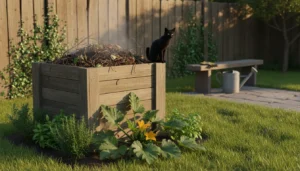
Select a container that matches your space and commitment level. A simple bin is inexpensive and effective for many households.
Tumblers speed up aeration and reduce pests, while insulated bins help maintain heat in cool climates. For apartments, Bokashi or small vermicomposters work well indoors.
What to compost and what to avoid
Knowing what goes in the pile avoids problems later. Use this quick reference to keep your compost healthy.
- Good greens: fruit and vegetable scraps, coffee grounds, fresh grass clippings.
- Good browns: dry leaves, straw, shredded paper, cardboard.
- Avoid: meat, dairy, oils, diseased plants, and pet feces — these attract pests or introduce pathogens.
Troubleshooting common problems in home composting
Most issues come from imbalanced materials, poor aeration, or incorrect moisture. Address these quickly for smooth composting.
- Bad odors: Usually too wet or too many greens. Turn the pile and add dry browns like shredded paper or leaves.
- Slow decomposition: Check for compacting, low moisture, or lack of nitrogen. Turn, moisten, and add greens if needed.
- Pests: Use a closed bin, bury food scraps, and avoid meat or oily foods. Secure lids and use fine mesh if rodents are a concern.
- Too dry: Add water and greens, then cover the pile to retain moisture.
Real-world example: Small balcony home composting case study
Maria, a city renter, started composting on a small balcony using a Bokashi kit and a shallow worm bin. She separated fruit peels and coffee grounds into the Bokashi bucket and kitchen scraps into an airtight pail before processing.
After two months of Bokashi pre-treatment, she buried the fermented material in a 10-liter worm bin. The worms consumed the material quickly, and Maria harvested rich castings for her balcony planters. Her system handled daily kitchen waste and stayed odor-free.
Final tips for successful home composting
Start small and adjust as you learn. Composting is forgiving, and minor mistakes rarely ruin an entire bin.
- Keep a small countertop container for scraps to make collection easy.
- Chop larger items to speed breakdown.
- Record start dates and turning frequency to track progress.
- Use finished compost sparingly at first to see how plants respond.
With consistent attention to balance, moisture, and aeration, home composting becomes a low-effort way to close the nutrient loop. Start with one simple system and expand as you gain confidence.