
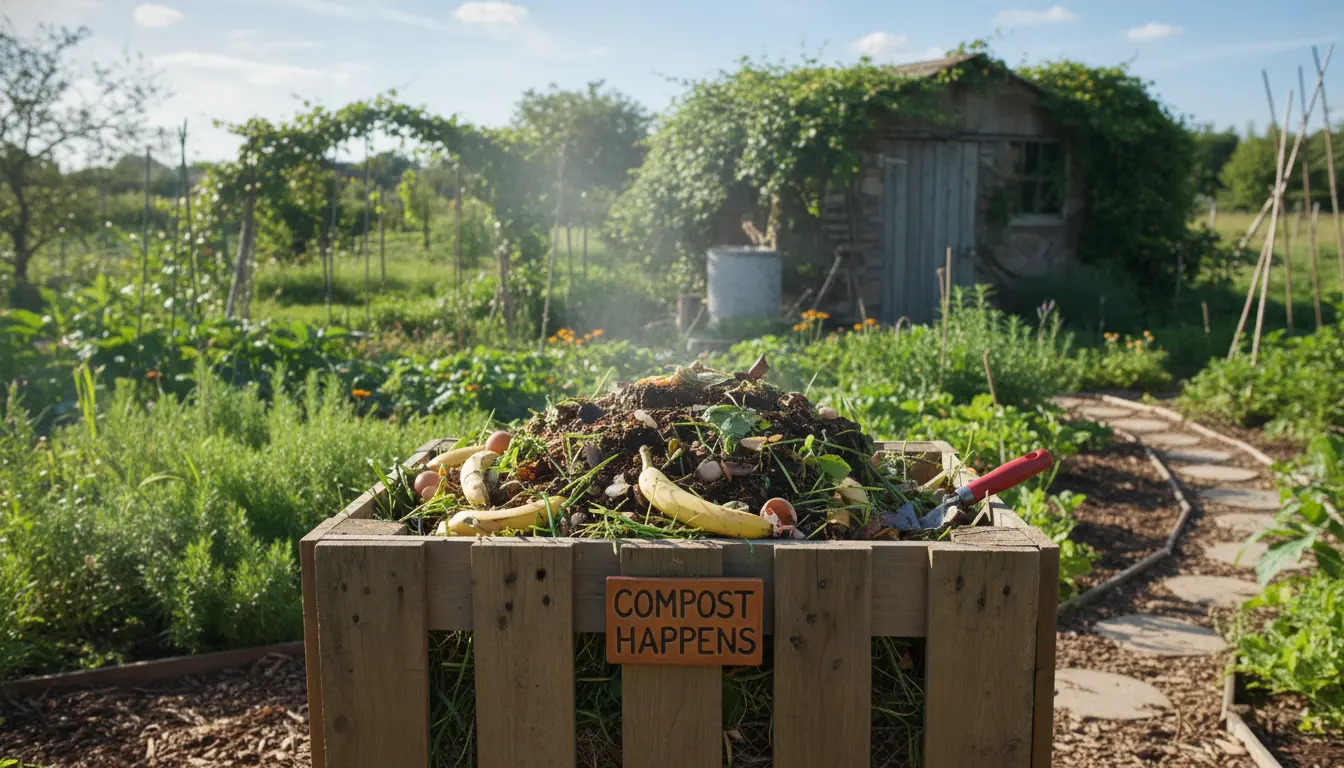
Turning kitchen scraps and yard waste into rich soil is easier than you think. This guide explains how to start a home compost bin with clear steps, common mistakes to avoid, and maintenance tips you can follow from day one.
Why a home compost bin matters
A home compost bin reduces landfill waste and gives you free, nutrient-rich compost for plants. It also improves soil structure, conserves moisture, and supports beneficial soil organisms.
Choose the right home compost bin
Picking the right bin affects how well your composting goes. Consider bin size, material, and whether it will sit on a patio, balcony, or garden.
Types of compost bins
- Tumbler bins: Good for faster turning and less odor, ideal for small yards.
- Plastic or wooden stationary bins: Affordable and simple; require manual turning.
- Worm bins (vermicomposting): Great for apartments and small indoor setups using worms.
Where to place a home compost bin
Location affects moisture and temperature. Place the bin on bare soil if possible to let worms and microbes access the pile.
- Shaded area to avoid drying out in hot sun.
- Near a water source for easy dampening.
- Accessible but not intrusive — close to the kitchen for convenience.
What to put in your home compost bin
Balance carbon-rich materials (browns) and nitrogen-rich materials (greens) for healthy decomposition. Aim for a rough 3:1 ratio of browns to greens by volume.
Good materials (greens and browns)
- Greens: Fruit and vegetable scraps, coffee grounds, fresh grass clippings.
- Browns: Dry leaves, shredded paper, cardboard, straw, small wood chips.
- Small amounts of garden trimmings for structure and air flow.
Materials to avoid
- Meat, dairy, and oily foods — these attract pests and create smells.
- Diseased plants and invasive weeds — they can survive and spread.
- Pet waste and coal ash — introduce pathogens or toxins.
Step-by-step: How to start a home compost bin
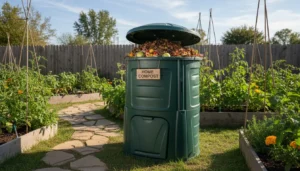
Follow these steps to get composting quickly and reliably.
1. Prepare the base
Start with a 3–6 inch layer of coarse browns like twigs or straw. This improves air circulation and drainage at the bottom of the bin.
2. Add materials in layers
Alternate greens and browns. A simple approach is one bucket of greens followed by three buckets of browns. Keep layers thin enough to allow airflow.
3. Keep the pile moist
Compost should feel like a wrung-out sponge. Water dry layers and cover exposed piles during heavy rain to avoid waterlogging.
4. Turn or aerate regularly
Turning speeds up decomposition and reduces odor. For a stationary bin turn every 1–2 weeks. Tumblers can be rotated every few days.
5. Watch temperature and time
Active compost heats to 130–160°F (55–70°C) when decomposition is fast. Backyard compost may take 2–6 months to become finished compost, depending on conditions and turning frequency.
Troubleshooting common issues with a home compost bin
Small problems are easy to fix if you know what to look for.
- Bad smell: Add more browns and turn the pile to add oxygen.
- Too dry: Add water and more greens to raise moisture levels.
- Pests: Remove food scraps that attract animals, and use a closed bin or mesh around the bin base.
Harvesting finished compost
Finished compost is dark, crumbly, and smells earthy. Screen or sift to remove large pieces and return coarse bits to the bin for further breakdown.
- Use as a top dressing for lawns or mix into potting soil for containers.
- Apply a thin layer around plants to improve soil and retain moisture.
Adding crushed eggshells provides calcium to compost, while coffee grounds add nitrogen and help balance pH levels.
Small real-world example
Case study: A two-person household started a 60-liter tumbler bin on a balcony. They added kitchen scraps and shredded paper in a 1:3 ratio and turned the bin twice a week.
After four months they collected about 20 liters of usable compost, which improved their container plants’ growth and reduced weekly trash by a bag. Regular turning and keeping a balance of browns prevented odors and pests.
Practical tips and final checklist
Keep these simple tips in mind to maintain a productive home compost bin.
- Keep a countertop compost pail for convenience and empty it regularly into the bin.
- Shred or chop large pieces to speed decomposition.
- Maintain the browns-to-greens balance and check moisture every week.
- Use finished compost in gardening, potted plants, or as mulch.
Starting a home compost bin is a low-cost, high-impact way to reduce waste and support healthier plants. With the right bin, balance of materials, and simple maintenance, you can produce your own soil amendment reliably.