
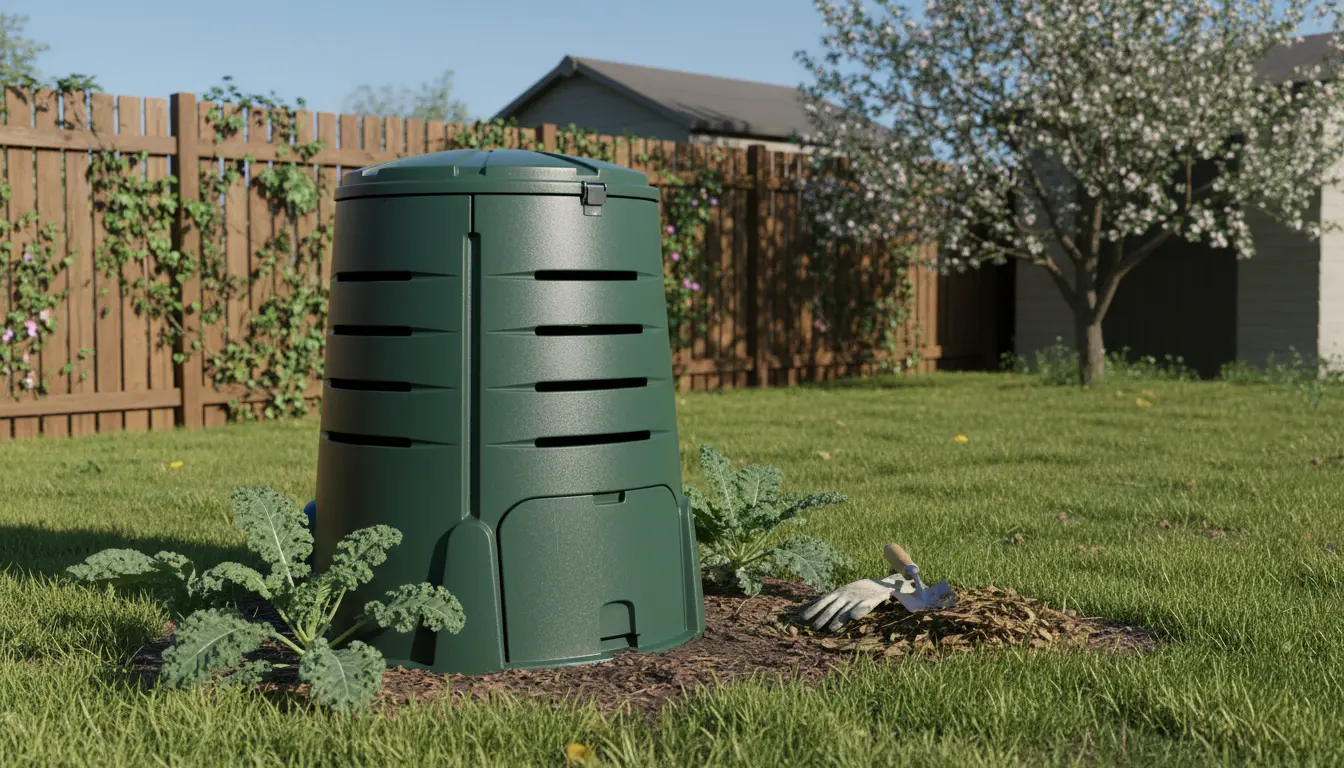
Setting up a home compost bin is a practical way to reduce kitchen waste and create nutrient-rich soil. This guide explains equipment, setup steps, maintenance, and solutions to common problems so you can start composting with confidence.
Why choose a home compost bin
A home compost bin keeps organic waste out of landfills and turns it into useful compost for gardens and potted plants. It reduces trash volume, lowers household odor, and supports healthier soil and plants.
Benefits of a home compost bin
- Reduces food waste and garbage costs.
- Produces nutrient-rich compost for soil improvement.
- Improves water retention in garden soil.
- Supports local biodiversity by feeding soil microbes.
What you need to start a home compost bin
Starting a home compost bin requires basic materials and an understanding of what to add. You can use a purchased bin, a simple homemade structure, or even a tumbler for faster results.
Materials and site selection for a home compost bin
- Bin: plastic, wooden, or metal bin; or a compost tumbler.
- Location: a level spot with partial shade and good drainage.
- Tools: garden fork or pitchfork for turning, a watering can for moisture, and a kitchen container for scraps.
- Feedstock: brown materials (dry leaves, shredded paper) and green materials (vegetable scraps, coffee grounds).
Step-by-step: How to build and maintain your home compost bin
Follow these steps to assemble and keep a healthy home compost bin. Each step focuses on balance, moisture, and aeration to speed decomposition and avoid problems.
-
Prepare the base. Place the bin on bare soil or a well-draining surface to allow worms and microbes to access the pile. Add a 3–4 inch layer of coarse brown material for airflow.
-
Add materials in layers. Alternate thin layers of greens and browns. Aim for roughly a 1:2 ratio by volume of greens to browns for steady decomposition.
-
Monitor moisture. The pile should feel like a wrung-out sponge. If it is too dry, add water and green materials. If it is too wet, mix in more dry browns and turn frequently.
-
Turn the pile. Use a fork or tumbler to turn the compost every 1–2 weeks. Turning adds oxygen, helps heat the pile, and speeds up breakdown.
-
Wait and harvest. Compost can be ready in 2–6 months depending on temperature, materials, and turning. Finished compost is dark, crumbly, and earthy-smelling.
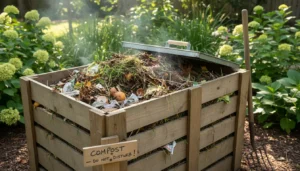
Types of home compost bin setups
- Open bin: inexpensive and easy, good for backyard piles.
- Tumbler: faster and cleaner, ideal for small spaces and quick turning.
- Bokashi or worm bin: works indoors or in apartments for food scraps and faster results in constrained spaces.
Troubleshooting a home compost bin
Common issues include bad smells, pests, slow decomposition, and wet or dry piles. These usually result from imbalanced materials, improper moisture, or lack of aeration.
Common problems and fixes for your home compost bin
- Bad odor: Add more brown materials, turn the pile, and check moisture. Odor often means too many greens or anaerobic conditions.
- Pests: Keep meat, dairy, and oily foods out of the bin. Use a closed bin or add a finished compost cover layer to deter animals.
- Slow breakdown: Increase surface area by chopping or shredding materials. Turn more frequently and maintain warm conditions.
- Too dry or too wet: Adjust water and browns. A balanced moisture level is key to microbial activity.
Composting reduces methane emissions from landfills. Organic waste that decomposes aerobically in a home compost bin produces far less methane than landfill decomposition.
Small real-world example: A family starts a home compost bin
A household of three began a backyard home compost bin using a 60-gallon tumbling bin. They collected food scraps and yard waste for six months.
After three months of regular turning and a balanced greens-to-browns ratio, they had about 25 liters of usable compost. In six months, they produced enough to top-dress their vegetable beds and reduce weekly trash by nearly 30%.
This simple example shows how consistent habits yield measurable results for household waste reduction and garden improvement.
Tips to keep your home compost bin working well
- Keep a small countertop container for scraps to make daily collection easy.
- Chop or shred larger materials to speed decomposition.
- Keep a supply of dry leaves or shredded paper to balance green waste.
- Protect the bin in winter with insulation or extra brown layers if you want year-round composting.
Getting started with your home compost bin
Start small and adjust based on what your bin needs. Regular turning, proper moisture, and a balanced mix of materials are the most important practices.
Within a few months you can convert kitchen and yard waste into a valuable soil amendment. Begin with a plan, pick a bin type, and commit a few minutes a week to maintain the process.