
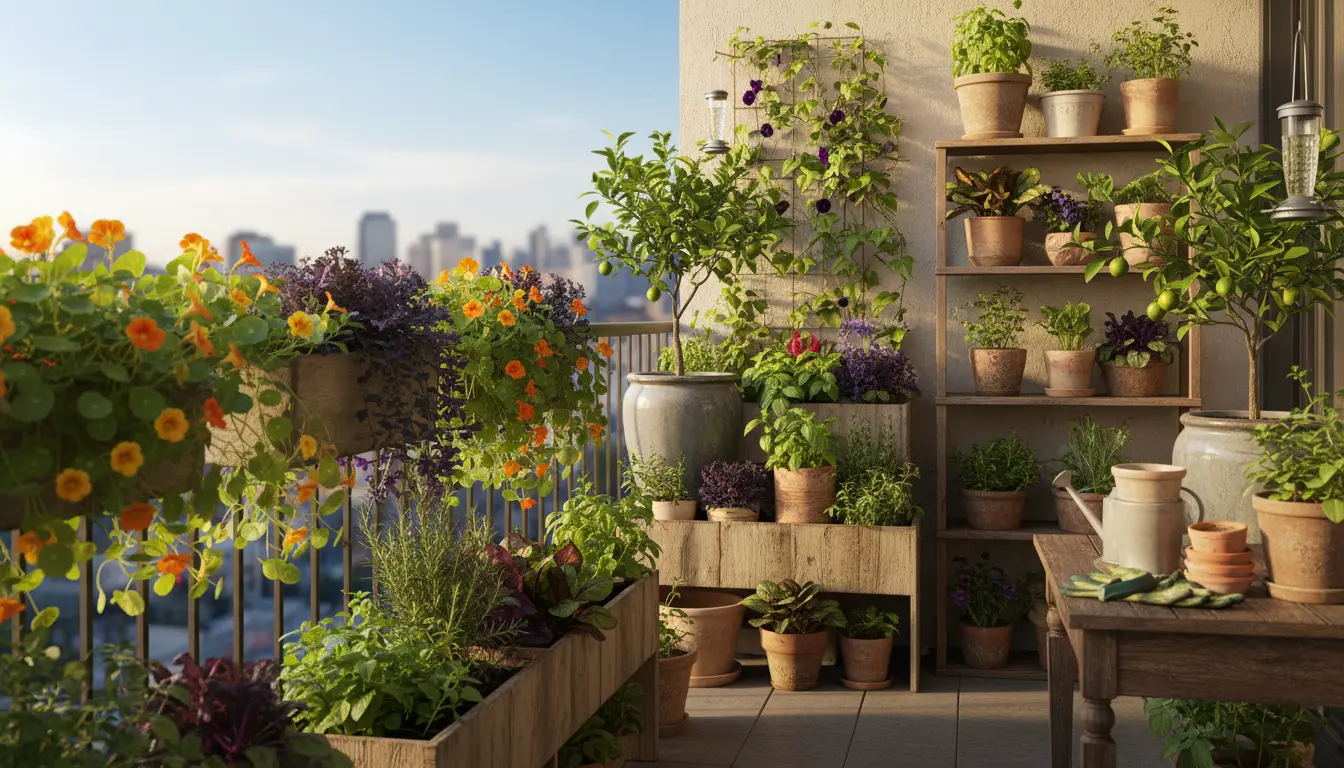
Container vegetable gardening lets you grow fresh produce in small spaces such as balconies, patios, and windowsills. This guide gives practical, step-by-step advice for planning, planting, and maintaining a productive container vegetable garden.
Benefits of a Container Vegetable Garden
A container vegetable garden is flexible and accessible for beginners. It reduces soil-borne pests and lets you control soil quality, placement, and microclimate.
- Great for small spaces and renters
- Easier pest and weed management
- Portable — move containers for sun or protection
- Produces fresh vegetables close to your kitchen
Choosing Containers and Soil for a Container Vegetable Garden
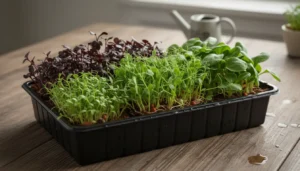
Select containers with adequate depth and drainage to match the vegetables you want to grow. Size matters: larger containers hold more soil and retain moisture better than small pots.
Best container types for a container vegetable garden
Use durable materials with drainage holes. Good options include terracotta, plastic, fabric grow bags, and wooden boxes. Avoid containers that leach chemicals or are too shallow for root crops.
- Tomatoes and peppers: 5–10 gallon pots
- Leafy greens and herbs: 1–3 gallon pots or window boxes
- Root vegetables: deep buckets or raised beds at least 12 inches deep
Soil mix and drainage for a container vegetable garden
Use a high-quality potting mix rather than garden soil. Potting mixes are lighter and drain better, which prevents root rot. Amend with compost and slow-release fertilizer for nutrients.
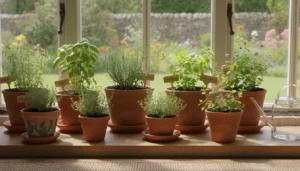
Ensure each container has drainage holes and consider a layer of gravel at the bottom only if drainage is sluggish. Good drainage and aeration are critical for healthy roots.
Selecting Vegetables to Grow in a Container Vegetable Garden
Choose vegetables suited to containers and your sunlight conditions. Compact and bush varieties often perform best in pots.
- Sunny (6+ hours): tomatoes, peppers, eggplant, bush beans
- Partial shade (3–6 hours): lettuce, spinach, chard, herbs
- Herbs: basil, parsley, chives, thyme — ideal for small pots
Start with 3–6 types to keep care manageable. Rotate crops seasonally to reduce disease buildup.
Planting, Watering, and Feeding Your Container Vegetable Garden
Plant at the depth recommended on seed packets or plant tags. Group containers by water needs to simplify irrigation.
Watering schedule for a container vegetable garden
Containers dry out faster than ground beds. Check soil moisture daily during warm weather. Water thoroughly until excess drains from the bottom.
- Morning watering reduces evaporation and fungal risk
- Use self-watering containers or drip irrigation to maintain consistent moisture
- Mulch the surface with shredded leaves or straw to slow evaporation
Feeding and fertilizing
Container plants depend on you for nutrients. Apply a balanced liquid fertilizer every 2–4 weeks or use a slow-release granular fertilizer at planting.
Monitor leaf color and growth; pale leaves often indicate nitrogen deficiency while poor fruiting can signal low phosphorus or potassium.
Common Problems and Solutions for Container Vegetable Gardens
Containers bring specific challenges, but most have straightforward solutions. Monitor plants frequently and act early.
- Overwatering: Ensure drainage holes and reduce watering frequency
- Underwatering: Switch to larger containers or add water-retaining amendments
- Pests: Handpick, use insecticidal soap, or apply row covers for protection
- Diseases: Remove infected leaves and avoid overhead watering
Many common herbs such as basil and mint can thrive in containers and help deter some pests from nearby vegetables. Plant herbs in the same container or adjacent pots for companion benefits.
Real-World Example: Small Balcony Container Vegetable Garden
Case study: A two-person household with a south-facing balcony created a productive container vegetable garden on a 6-foot rail. They used three 10-gallon pots, two 5-gallon pots, and a long 3-foot window box.
They planted a determinate tomato in each 10-gallon pot, a pepper and basil in the 5-gallon pots, and mixed lettuce varieties in the window box. With daily morning watering and biweekly liquid feeding, they harvested fresh salad greens in 4 weeks and tomatoes after 10–12 weeks.
Tips from the case: use sturdy tomato cages in pots, space herbs near vegetables for convenience, and rotate a crop of leafy greens in the window box every 6–8 weeks for continuous harvest.
Getting Started with Your Container Vegetable Garden
Start small, choose suitable varieties, and prioritize good containers and soil. Plan for consistent watering and fertilizing to keep plants productive.
Track what works in your microclimate and adjust placements or plant choices each season. A well-managed container vegetable garden can supply fresh produce and be scaled up as you gain confidence.
Ready to plant? Make a short plan: pick 3 vegetables, select matching containers, buy potting mix, and set a weekly watering and feeding routine. Small steps lead to steady harvests.