
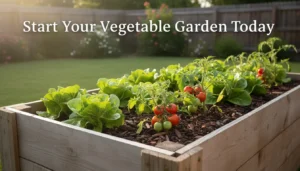
Starting a container vegetable garden is a practical way to grow fresh produce in small spaces. This guide gives clear, step-by-step instructions so you can plan, plant, and maintain a productive garden on a balcony, patio, or small yard.
Container Vegetable Garden: Planning and Site Selection
Begin by picking the best location for your containers. Vegetables need at least 6 hours of direct sunlight a day; more for tomatoes and peppers.
Assess wind, shade, and access to water. Choose a spot that is easy to reach for daily checks and watering.
How Much Space Do You Need for a Container Vegetable Garden
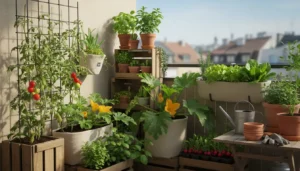
Containers can fit almost any space. A small balcony can support a few pots for herbs and salad greens, while a larger patio can host several big pots or troughs for tomatoes and beans.
Plan container placement so plants do not shade each other and you can move pots as needed.
Choosing Containers for a Container Vegetable Garden
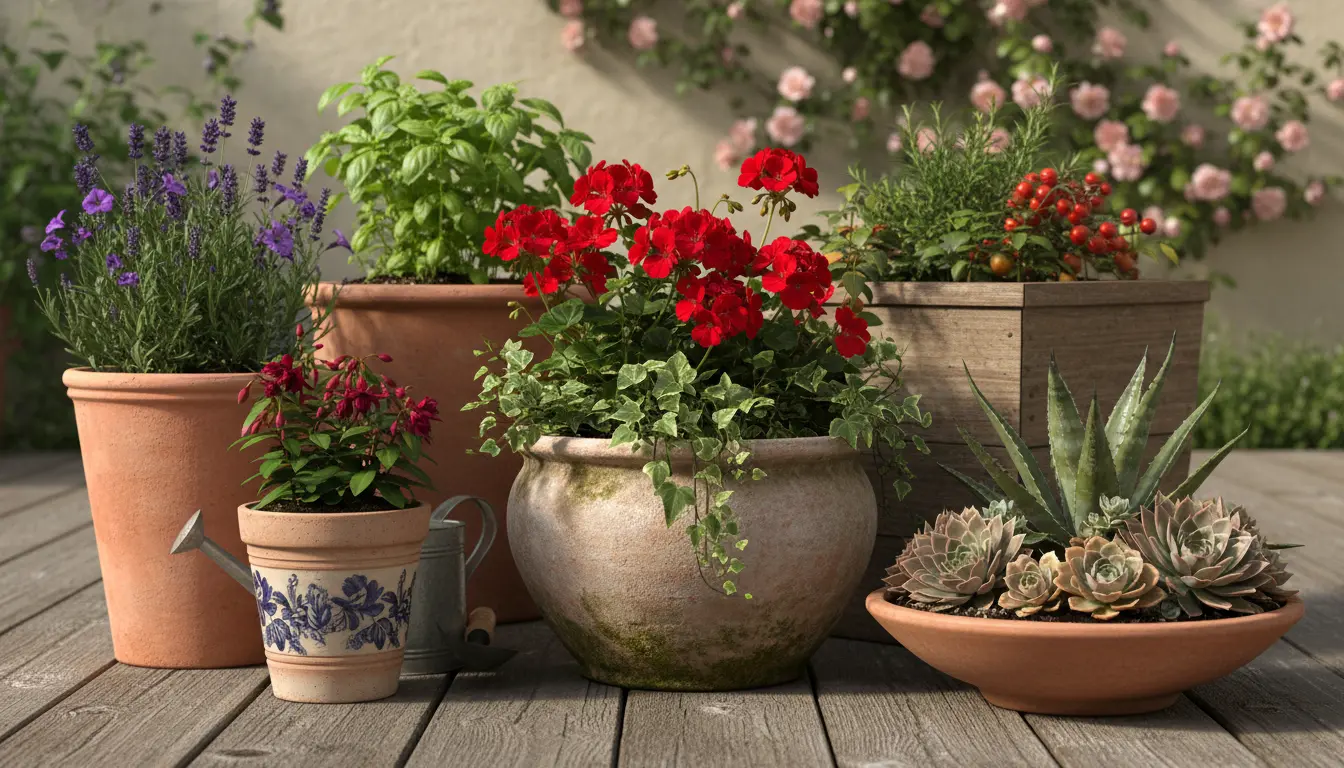
Select containers with good drainage and durable material. Options include plastic, ceramic, wood, fabric grow bags, and glazed clay.
- Use 5–10 gallon (19–38 L) pots for tomatoes, peppers, and larger plants.
- Use 1–3 gallon (4–11 L) pots for herbs and small greens.
- Ensure drainage holes and add a saucer to catch excess water.
Container Placement and Support
Place heavy pots on level surfaces and use pot feet to improve drainage. Add trellises or cages for vining crops like cucumbers and indeterminate tomatoes.
Consider mobility: small wheeled stands help move pots to follow the sun or avoid storms.
Soil and Fertility for a Container Vegetable Garden
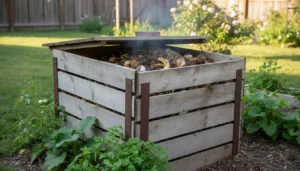
Use a high-quality potting mix rather than garden soil. Potting mixes are lighter, drain better, and contain ingredients to reduce compaction.
Mix in slow-release fertilizer or choose a potting mix with added nutrients. Plan to feed vegetables every 2–4 weeks with a water-soluble fertilizer during the growing season.
- Component tips: look for mixes with peat or coconut coir, perlite, and compost.
- Adjust pH: most vegetables prefer pH 6.0–7.0. Test kits are inexpensive.
Plant Selection and Spacing in a Container Vegetable Garden
Choose varieties labeled for containers or compact growth. Determinate tomatoes, patio peppers, and bush beans are good choices.
Follow spacing guidelines on seed packets or plant tags. Overcrowding reduces airflow and increases disease risk.
Good Starter Crops for Containers
- Leafy greens: lettuce, spinach, and arugula
- Herbs: basil, parsley, chives
- Fruits: cherry tomatoes, dwarf peppers, strawberries
- Root crops: radishes, baby carrots (in deeper pots)
Watering and Maintenance for a Container Vegetable Garden
Containers dry out faster than ground beds, so check moisture daily in hot weather. Water until it runs from the drainage hole to ensure the root ball is soaked.
Mulch the top of containers with a thin layer of compost or straw to slow evaporation. Use drip irrigation or self-watering containers to reduce daily effort.
Common Maintenance Tasks
- Pinch back plants to encourage bushier growth where appropriate.
- Remove yellowing leaves and diseased material promptly.
- Rotate crops each season to avoid pest buildup.
Troubleshooting Your Container Vegetable Garden
Watch for common problems like nutrient deficiencies, pests, and water stress. Yellow leaves often indicate overwatering or nutrient issues.
Use handpicking for larger pests and insecticidal soap for aphids. Encourage beneficial insects with small flowering herbs nearby.
When to Re-pot or Refresh Soil
Refresh potting mix every 1–2 seasons for best yields. If plants show stunted growth despite water and light, repot with fresh mix and more fertilizer.
Shallow containers can overheat on hot surfaces and damage roots. Elevating pots and using light-colored containers reduces heat stress for plant roots.
Simple Planting Calendar for a Container Vegetable Garden
Plan crops by season. Start seeds indoors 4–8 weeks before last frost for tomatoes and peppers. Direct-sow cool-season crops like lettuce and radishes in early spring or fall.
Succession planting (sowing a new batch every 2–3 weeks) keeps a steady harvest of salad greens and herbs.
Small Real-World Example: Balcony Tomato Case Study
Maria, an apartment renter, grew two determinate tomato plants in 10-gallon fabric pots on her south-facing balcony. She used a commercial potting mix, slow-release fertilizer, and a tomato cage for support.
Her routine: water daily during summer mornings, feed every three weeks with a balanced fertilizer, and harvest ripe tomatoes over two months. Each plant produced about 8–10 pounds of tomatoes—enough for fresh meals and a small batch of canned sauce.
Final Tips for a Healthy Container Vegetable Garden
- Start small and expand as you learn which crops perform best in your microclimate.
- Label pots with plant names and planting dates to track progress.
- Keep a simple journal of watering, feeding, and harvests for improvements year to year.
Container vegetable gardening is accessible and flexible. With the right containers, soil, and consistent care, you can harvest fresh vegetables even in tight urban settings.