
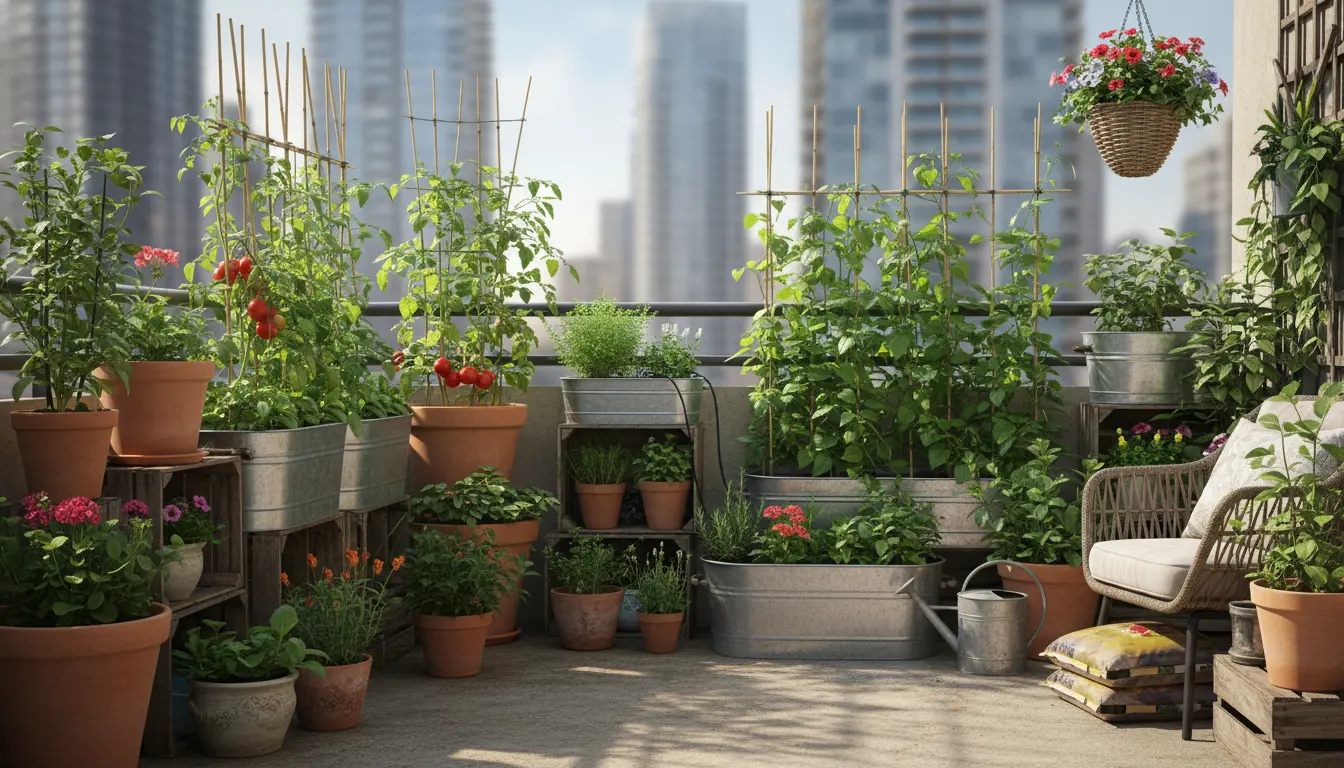
Starting a container vegetable garden is one of the easiest ways to grow fresh produce in limited space. With the right containers, soil, and care, you can harvest healthy vegetables on a balcony, patio, or small yard.
Why Choose a Container Vegetable Garden
A container vegetable garden is flexible and beginner friendly. Containers reduce soil-borne disease risks and let you control soil quality precisely.
Containers also make gardening possible for renters and apartment dwellers. Mobility lets you move plants to catch sun or shelter from wind.
Planning Your Container Vegetable Garden
Start by assessing light, space, and your goals. Most vegetables need at least 5–6 hours of direct sun daily.
Decide whether you want a year-round herb patch, seasonal tomatoes, or a mix of lettuce and peppers. Plan containers according to plant size and root depth.
Light and Space Assessment
Track sunlight for a few days to find the sunniest spots. Note areas with morning vs. afternoon sun because heat affects water needs.
Measure available floor area and railing space so you buy containers that fit without crowding.
Choosing Containers and Soil for a Container Vegetable Garden
Choose containers with good drainage and enough volume for the plant. Larger containers hold more moisture and require less frequent watering.
Avoid garden soil in containers; use a high-quality potting mix formulated for vegetables. Add perlite or coconut coir for lightness and drainage.
Container Types and Sizes
- Small pots (1–3 gallons): herbs, baby greens, radishes.
- Medium containers (5–10 gallons): peppers, bush tomatoes, dwarf eggplant.
- Large containers (15+ gallons): indeterminate tomatoes, potatoes, small fruit trees.
Selecting Vegetables and Planting in a Container Vegetable Garden
Pick compact or container-friendly varieties. Look for terms like bush, patio, or compact on seed packets and plant tags.
Sow seeds or transplant seedlings according to the seed packet instructions. Space plants as recommended; overcrowding reduces yield and increases disease risk.
Vegetable Suggestions for Containers
- Lettuce and mixed salad greens — quick and continuous harvest.
- Cherry tomatoes — high yield in medium to large pots.
- Peppers and chili varieties — do well in 5–10 gallon containers.
- Herbs — basil, parsley, thyme fit in small pots and supplement meals.
Watering, Fertilizing, and Maintenance for a Container Vegetable Garden
Containers dry out faster than ground soil. Check moisture daily in hot weather by sticking your finger 1–2 inches into the soil.
Water deeply until excess drains from the bottom; shallow watering encourages weak roots.
Fertilizing Schedule
Use a balanced liquid fertilizer every 2–4 weeks or slow-release granules at planting. Vegetables are heavy feeders and need regular nutrients to produce well.
Flush containers with clear water occasionally to prevent salt build-up from fertilizers.
Troubleshooting Common Problems in a Container Vegetable Garden
Pests and diseases appear in containers too. Inspect leaves weekly for insects, spots, or wilting.
Common issues include overwatering, underwatering, and nutrient deficiencies. Adjust watering and feed with a complete fertilizer to correct deficiencies.
- Yellowing lower leaves: usually nitrogen deficiency or overwatering.
- Wilting midday only: heat stress or root-bound plants—consider larger pots.
- Small holes in leaves: caterpillars or beetles—handpick or use insecticidal soap.
Seasonal Care and Rotation for a Container Vegetable Garden
Rotate crops between seasons to reduce disease build-up. Replace potting mix yearly or top up with fresh mix between seasons.
Clean pots at the end of the season with a mild bleach solution if disease was present. Dry fully before storing or reusing.
Most container vegetables produce their best yields when root systems have 5–15 gallons of soil. Bigger containers help stabilize temperature and moisture.
Case Study: Maria’s Balcony Tomato Success
Maria had a 6-foot balcony with morning sun but afternoon shade. She chose two 15-gallon containers and planted patio cherry tomatoes and basil.
She used a commercial vegetable potting mix, liquid-fed plants every three weeks, and watered deeply each evening. The tomatoes produced continuously for four months, giving her fresh salads and pesto through the season.
Quick Checklist to Start Your Container Vegetable Garden
- Assess light and measure space.
- Choose containers with drainage and appropriate volume.
- Buy vegetable potting mix and fertilizer.
- Select compact vegetable varieties and follow planting guides.
- Water deeply, feed regularly, and monitor for pests.
Starting a container vegetable garden is a low-cost, high-reward way to grow food at home. With the right planning and care, even small spaces can produce a steady supply of fresh vegetables.