
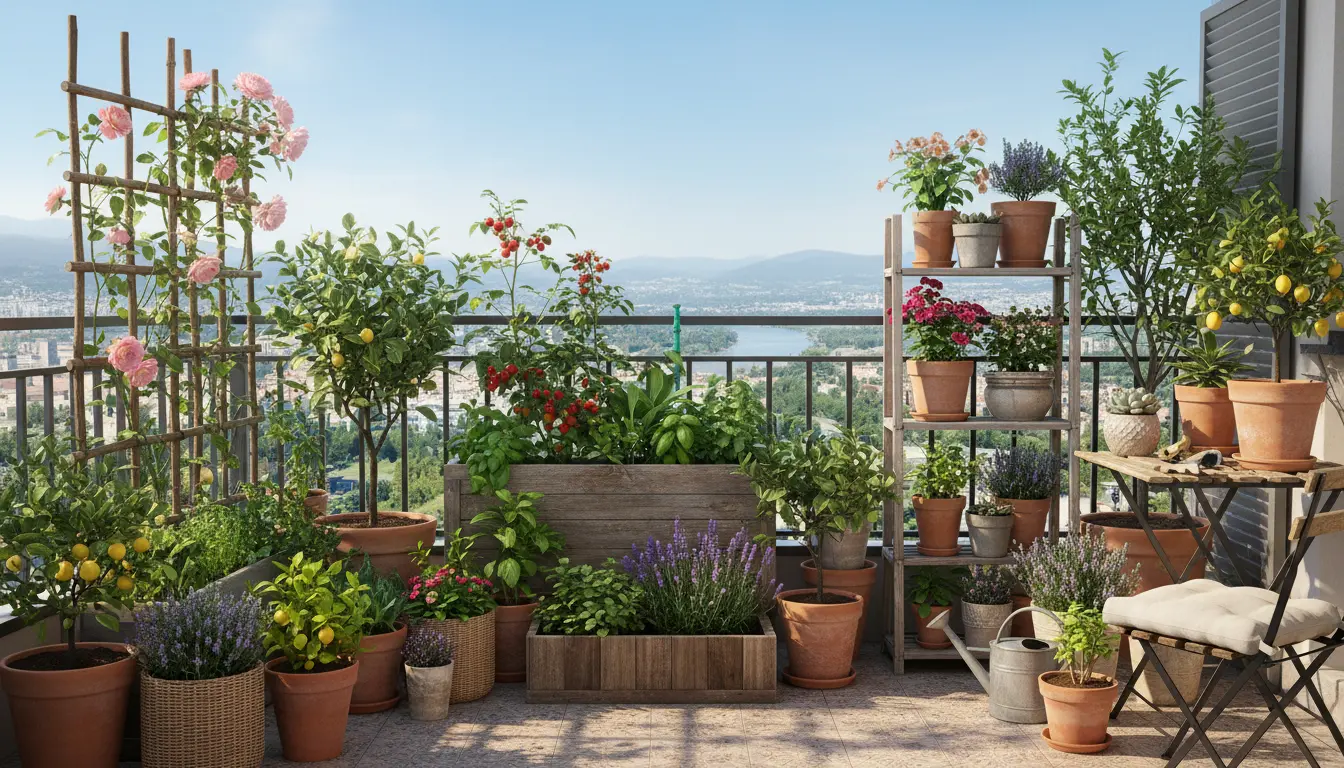
Why Choose a Container Vegetable Garden
Container vegetable gardening is ideal for small spaces, balconies, patios, and renters. It gives you control over soil quality, mobility for sunlight, and easier pest management.
This guide walks you through planning, setup, planting, and maintenance to help you grow vegetables successfully in containers.
Planning Your Container Vegetable Garden
Start with a simple plan. Decide which vegetables you want to grow based on space, taste, and season.
Consider sunlight, container size, and how much time you can commit to watering and care.
Choose the Right Location
Most vegetables need 6 to 8 hours of sunlight a day. Check morning and afternoon sun on your balcony or patio before placing containers.
Also think about wind exposure and access to water for easier maintenance.
Select Vegetables for Containers
Pick compact varieties and plants that do well in pots. Good choices include:
- Tomatoes (bush/determinate varieties)
- Peppers and chilies
- Leafy greens like lettuce and spinach
- Herbs such as basil, parsley, and mint
- Bush beans and dwarf peas
- Radishes and spring carrots (shallow-rooted types)
Choosing Containers and Soil
Containers can be plastic, clay, wooden boxes, or fabric grow bags. Ensure each container has drainage holes to prevent root rot.
Size matters: larger containers hold more soil and retain moisture better. Use at least 5 gallons for tomatoes and peppers.
Best Potting Mix for a Container Vegetable Garden
Use a high-quality potting mix formulated for containers. Avoid garden soil, which is too dense for pots.
Look for mixes with components like peat moss or coconut coir, perlite, and compost. These provide drainage, aeration, and nutrients.
Planting and Spacing in Containers
Follow seed packet or plant tag spacing, but remember containers limit roots. Plant a single tomato plant in a 5–10 gallon pot, or fit several lettuce plants in a 10–15 inch wide container.
Use companion planting to maximize space: pair basil with tomatoes, or lettuce under taller peppers to use vertical space.
How to Plant Seeds and Seedlings
- Fill the container with potting mix to within 1–2 inches of the rim.
- For seeds: follow depth guidance on the packet and water gently to settle the soil.
- For seedlings: dig a hole large enough for the root ball and firm the mix around the stem.
- Water thoroughly after planting and add a thin layer of mulch to retain moisture.
Watering and Feeding Your Container Vegetable Garden
Containers dry out faster than garden beds, so check moisture daily during hot weather. Water when the top inch of soil feels dry.
Use a watering can or soaker hose to water deeply until excess drains from the bottom. Avoid frequent shallow watering.
Fertilizing for Productivity
Container soil has limited nutrients, so regular feeding helps. Use a balanced liquid fertilizer every 2–4 weeks or a slow-release granular fertilizer at planting.
Follow label rates to prevent fertilizer burn. Organic options like compost tea or fish emulsion work well for edible plants.
Pest and Disease Management in Containers
Containers have fewer pest problems but still require monitoring. Look for aphids, whiteflies, slugs, and fungal diseases.
Use simple controls: handpick pests, rinse leaves, apply insecticidal soap, and ensure good air circulation between plants.
Preventive Steps
- Remove yellowing leaves and spent fruit promptly.
- Rotate crops in containers each season if possible.
- Use sterile potting mix and clean containers before replanting.
Harvesting and Ongoing Care
Harvest vegetables at their peak for best flavor. Regular picking often encourages more production, especially for tomatoes, beans, and peppers.
After harvest, prune spent growth and refresh the top layer of potting mix to replenish nutrients.
Small Real-World Case Study
Example: On a 6-foot balcony, a renter named Maria used four containers: a 10-gallon pot for a determinate tomato, a 5-gallon pot for peppers, a window box for mixed herbs, and a fabric bag for lettuce.
In one growing season she harvested about 12 pounds of tomatoes, several dozen peppers, and continuous herbs. Consistent watering, weekly liquid feed, and pruning kept plants productive.
Tomato plants in larger containers can produce more fruit because roots have room to grow. A 5–10 gallon container often doubles yield compared to a 2–3 gallon pot.
Common Mistakes and Quick Fixes
- Overwatering: Let the top inch dry, then water deeply. Use pots with drainage.
- Underfeeding: Add a balanced fertilizer or compost tea every few weeks.
- Wrong container size: Move large plants to bigger pots to avoid stunted growth.
Final Checklist to Start Your Container Vegetable Garden
- Choose sunny location (6–8 hours of sun).
- Select appropriate containers with drainage.
- Buy high-quality potting mix and starter fertilizer.
- Pick compact vegetable varieties suited for containers.
- Establish a consistent watering and feeding schedule.
- Monitor for pests and rotate crops seasonally.
With a bit of planning and regular care, a container vegetable garden can provide fresh produce and satisfaction even in the smallest spaces. Start small, learn from each season, and expand as you gain confidence.