
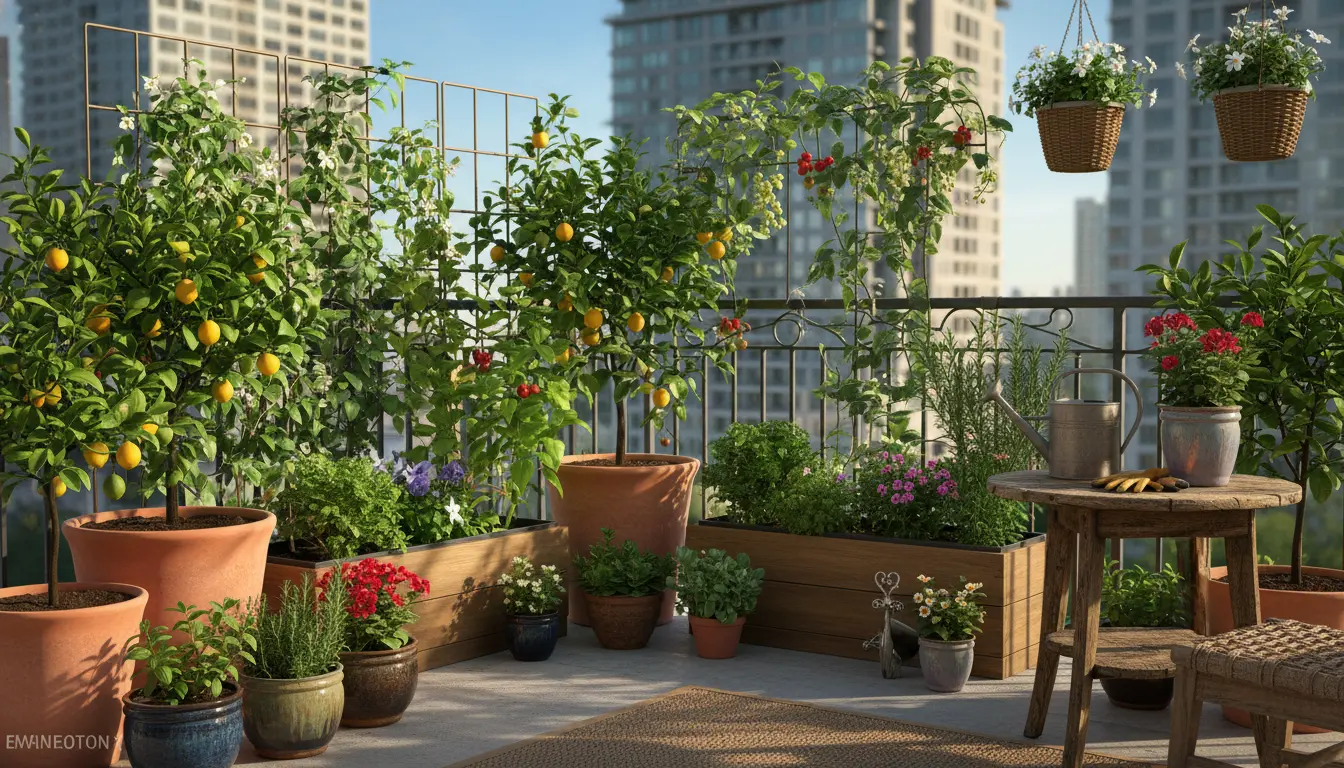
Starting a container vegetable garden is one of the easiest ways to grow fresh produce in small spaces. This guide covers the essentials you need to plant, grow, and harvest healthy vegetables from pots, balconies, or patios.
Why choose a container vegetable garden
Containers let you garden where soil is poor or space is limited. They reduce weed problems and make it easier to control pests and soil quality.
Containers are mobile, so you can move plants for better sun or protection from weather. They are ideal for beginners and urban gardeners.
Planning your container vegetable garden
Start by assessing light, space, and accessibility. Most vegetable crops need 6–8 hours of direct sunlight.
Decide what to grow based on your climate, space, and what you like to eat. Choose a mix of quick crops and longer-season plants.
Choosing plants for a container vegetable garden
Good container choices include:
- Leafy greens: lettuce, spinach, and arugula
- Herbs: basil, parsley, and chives
- Compact tomatoes and peppers
- Root crops in deep pots: carrots and radishes
- Bush varieties of beans and peas
Avoid large vining varieties unless you provide supports and very large containers.
Selecting pots and containers
Use containers with drainage holes to prevent waterlogging. Material affects moisture: plastic retains water, terracotta dries faster.
Recommended minimum pot sizes:
- Herbs and small greens: 6–8 inch pots
- Leafy greens and root crops: 10–12 inch pots
- Tomatoes and peppers: 12–18 inch containers
Soil and planting for a container vegetable garden
Use a high-quality potting mix, not garden soil. Potting mixes are lightweight and drain well while retaining moisture.
Mix in a slow-release organic fertilizer or compost to feed plants for several weeks. Follow package directions for application rates.
Planting steps
- Fill container with potting mix, leaving 1–2 inches at the top.
- Plant seeds or transplants at recommended depth.
- Water thoroughly until water flows from drainage holes.
- Place containers in a sunny spot and rotate weekly for even growth.
Watering and feeding a container vegetable garden
Containers dry out faster than garden beds, so check moisture daily during hot weather. Stick a finger into the soil: water when the top inch feels dry.
Use consistent watering rather than infrequent deep drenches. Consider self-watering containers or drip irrigation for convenience.
Fertilizing tips
Supplement with liquid fertilizer every 2–4 weeks for heavy feeders like tomatoes. Slow-release granules at planting will support growth but monitor leaf color for nutrient needs.
Pest and disease management in a container vegetable garden
Inspect plants regularly for pests like aphids, whiteflies, and slugs. Remove affected leaves and use insecticidal soap or neem oil when necessary.
Good airflow reduces fungal problems. Avoid overhead watering late in the day to prevent mildew.
Harvesting and rotating crops in a container vegetable garden
Harvest leafy greens frequently to encourage new growth. Pick fruits when they reach mature color and size for best flavor.
Rotate crops between seasons and refresh potting mix annually to reduce disease and nutrient depletion.
Shallow-rooted vegetables like lettuce and radishes can mature in as little as 3–4 weeks, giving quick harvests from small containers.
Real-world example: Balcony tomato and herb setup
Case study: A small apartment balcony was converted into a productive container vegetable garden. The gardener used three 15-inch containers: one for a patio tomato, one for mixed herbs, and one for lettuce and radishes.
They placed the pots along the railing to capture 7 hours of sun, used commercial potting mix with compost, and watered with a simple drip line twice a day in summer. By midsummer, the tomato produced steady fruit and the herbs provided fresh seasoning for meals.
Lessons learned: choose compact varieties, ensure consistent watering, and stagger plantings to extend harvests.
Common mistakes and how to avoid them
- Too-small containers — choose pots with enough depth and volume for roots.
- Overwatering — ensure good drainage and avoid leaving pots in standing water.
- Wrong soil — never use heavy garden soil in containers; use potting mix.
- Ignoring light needs — place plants where they get the recommended sun hours.
Final checklist for a successful container vegetable garden
- Assess light and choose appropriate crops
- Pick containers with drainage and sufficient size
- Use quality potting mix and add compost or fertilizer
- Water consistently and monitor soil moisture
- Inspect for pests and rotate crops seasonally
Starting a container vegetable garden is manageable and rewarding. With the right containers, soil, and simple care routines, you can grow fresh vegetables even in tight spaces. Begin small, learn from each season, and expand as you gain confidence.