
Why Choose a Container Vegetable Garden
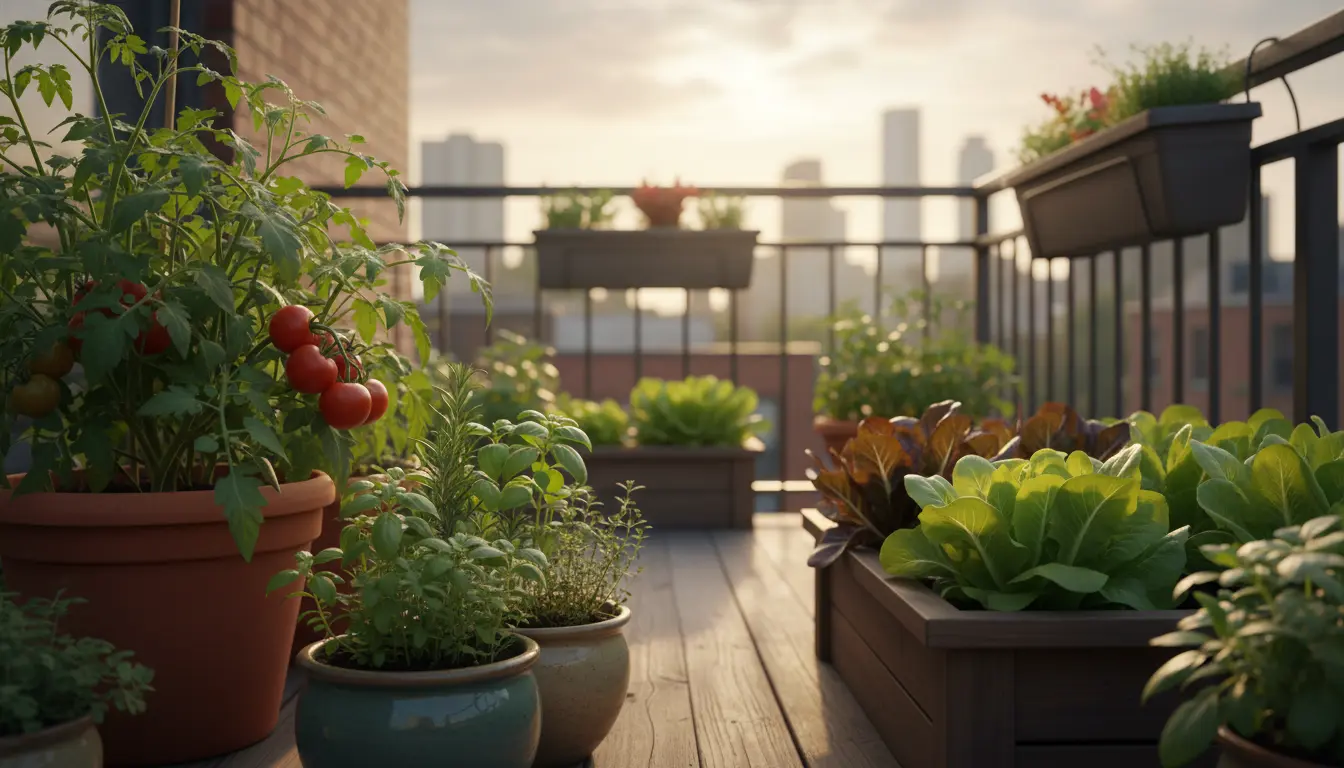
Container vegetable gardens let you grow food in small spaces like balconies, patios, or windowsills. They require less bending, are easier to manage, and reduce soil-borne pests.
Planning Your Container Vegetable Garden
Start by assessing available light and space. Most vegetables need 6 or more hours of direct sun; shade-tolerant crops can work with less light.
Choosing a Location for a Container Vegetable Garden
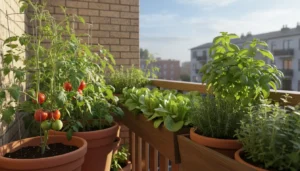
Pick a spot with consistent sunlight and protection from strong wind. Consider access to water, as containers dry out faster than ground beds.
Choosing Containers and Soil
Container choice affects plant health and yield. Choose pots with good drainage and enough volume for root growth.
Best Containers for a Container Vegetable Garden
Use containers at least 12 inches deep for most vegetables and larger for tomatoes or peppers. Materials like plastic, fabric, or glazed ceramic all work if they provide drainage and stability.
Soil Mix for a Container Vegetable Garden
Use a high-quality potting mix rather than garden soil; potting mix is lighter and drains better. Add slow-release fertilizer or mix compost into the potting mix to supply nutrients.
Picking Vegetables for Containers
Choose compact or bush varieties labeled container-friendly to get the best results. Leafy greens, cherry tomatoes, peppers, bush beans, and herbs are excellent container choices.
- Leafy greens: lettuce, spinach, arugula
- Fruit-bearing: cherry tomatoes, patio peppers
- Roots: small carrots, radishes
- Herbs: basil, parsley, chives
Planting and Daily Care
Fill containers to within an inch of the rim with potting mix and plant at recommended depths. Water thoroughly after planting and check moisture daily when warm.
Watering Tips for a Container Vegetable Garden
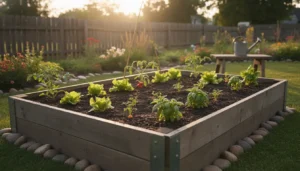
Containers often need more frequent watering than ground gardens. Water when the top inch of soil feels dry and aim for even moisture—avoid letting the soil dry out fully between waterings.
Feeding and Pruning
Feed container vegetables with a balanced liquid fertilizer every 2–4 weeks or use a slow-release formula mixed into the potting mix. Prune indeterminate tomatoes and remove yellowing leaves to maintain airflow and vigor.
Common Problems and Solutions in Container Vegetable Gardens
Pests, overwatering, and nutrient deficiencies are the most common issues. Regular monitoring and quick action prevent minor problems from becoming major losses.
- Pests: Handpick beetles or use insecticidal soap for aphids.
- Overwatering: Check drainage and reduce frequency; lift saucers to avoid root rot.
- Nutrient issues: Yellow leaves often indicate nitrogen deficiency; apply a balanced fertilizer.
Plants in containers can use up to three times more water than the same plants in garden beds because the potting mix dries faster. Mulching the surface of the pot with compost or straw can reduce evaporation and keep roots cooler in summer.
Seasonal Care and Rotation
Rotate crops in containers by changing plant families each season to reduce disease buildup. At the end of a season, remove old roots and refresh the potting mix with compost.
Small Case Study: Balcony Container Garden That Fed a Family
In a two-bedroom apartment, a family used six 12-inch containers and four hanging baskets on a sunny balcony. They grew cherry tomatoes, basil, lettuce, carrots, and peppers and harvested fresh salad greens weekly throughout summer.
The family reduced grocery trips, learned to stagger plantings for continuous harvests, and kept a watering schedule to avoid lost seedlings. Simple changes like adding a self-watering reservoir and choosing compact varieties increased yield without more space.
Examples of Container Layouts
Try vertical groupings to maximize sun exposure: tall plants at the back and low growers in front. Use hanging baskets for trailing herbs and strawberries to save floor area.
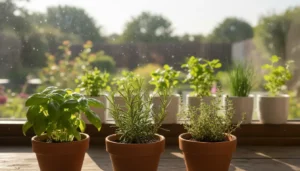
- Window or sill: Herbs and salad greens in small pots.
- Balcony rail: Long planters with tomatoes and basil paired together.
- Patio floor: Larger pots for peppers and dwarf eggplants.
Final Practical Tips for a Successful Container Vegetable Garden
Start with a few containers and one or two crops until you learn watering and feeding needs. Keep notes on what varieties and schedules worked; this simple record speeds improvements next season.
Check plants every day during hot months and adjust water and shade as needed. With steady care, a container vegetable garden delivers fresh produce and fits easily into busy urban lifestyles.