
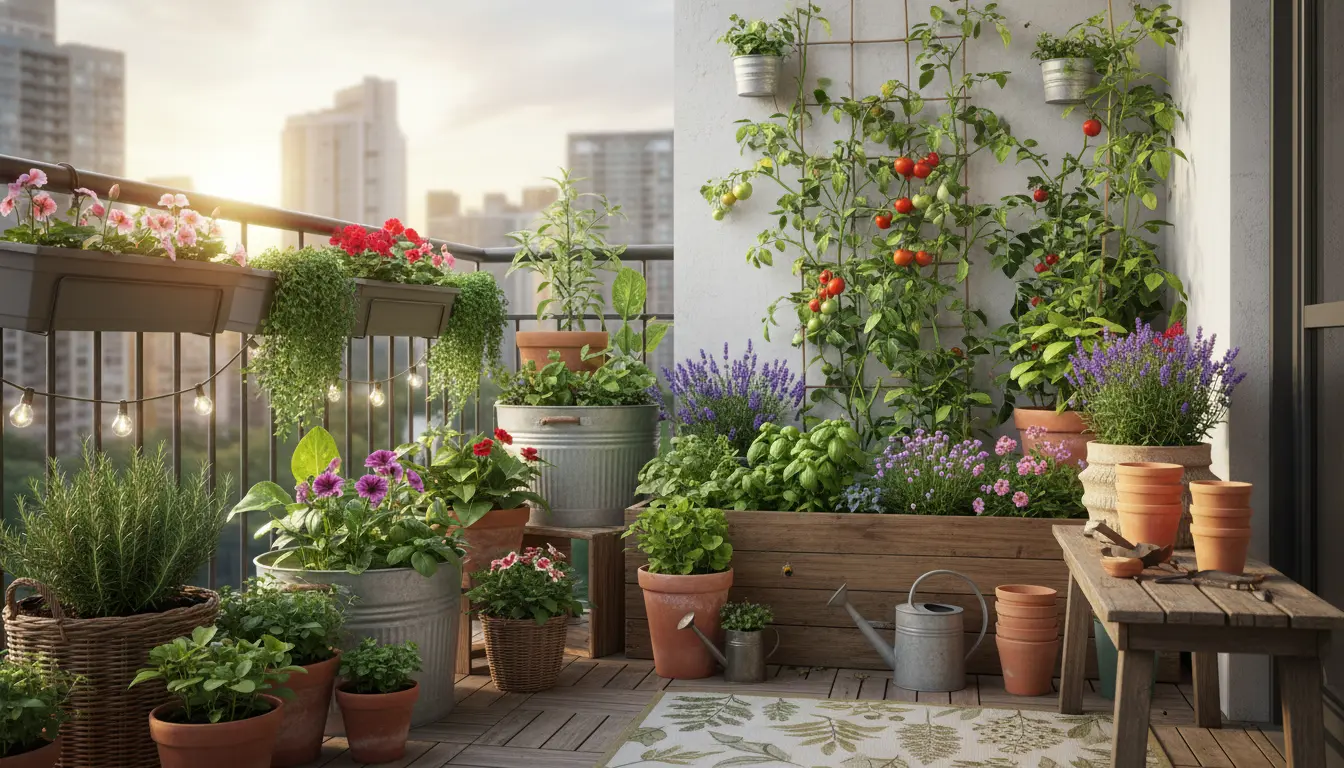
Container vegetable gardening is a practical way to grow fresh produce in small spaces. This guide explains how to plan, plant, and maintain a productive container vegetable garden with simple steps you can follow today.
Why Choose a Container Vegetable Garden
Containers let you garden on balconies, patios, and small yards where in-ground beds are not possible. They reduce soil-borne disease risk and make plant care more manageable.
Containers also allow you to control soil quality and move plants for better light or weather protection.
Planning Your Container Vegetable Garden
Start by assessing light, space, and access to water. Most vegetables need at least six hours of direct sunlight per day.
Decide how many containers you can accommodate and which vegetables suit your space and climate.
Choose the Right Vegetables for Containers
Pick compact, high-yield varieties meant for containers. Good options include cherry tomatoes, leaf lettuce, radishes, bush beans, peppers, and herbs.
Avoid large vining vegetables unless you have supports and extra room.
Container Size and Material
Match container size to plant root needs. Small herbs can live in 6–8 inch pots, while tomatoes and peppers do best in 5–10 gallon containers.
Materials matter: terracotta breathes and dries faster, plastic retains moisture, and fabric pots improve drainage and root health.
Soil and Fertilizer for a Container Vegetable Garden
Use a high-quality potting mix designed for containers rather than garden soil. Potting mixes are lighter and drain well.
Incorporate a water-retaining component or slow-release fertilizer to reduce the frequency of feeding.
Feeding Schedule
Most container vegetables benefit from regular feeding because nutrients wash out with frequent watering. Use a balanced liquid fertilizer every 2–3 weeks or a slow-release granular product per package directions.
Watch for signs of deficiency, such as yellowing leaves or poor growth, and adjust feeding accordingly.
Planting and Watering Techniques
Plant at the recommended depth and avoid crowding. Overcrowded containers result in poor airflow and higher disease risk.
Water thoroughly at planting, then establish a consistent watering routine based on container size and weather.
Watering Tips for Container Vegetable Garden Success
- Check moisture daily during hot weather by inserting a finger 1–2 inches into the soil.
- Water until excess flows from drainage holes to ensure roots get fully wet.
- Mulch the top of containers with straw or shredded bark to reduce evaporation.
Pest and Disease Management in Containers
Regularly inspect plants for pests like aphids, whiteflies, and slugs. Containers can reduce some pest problems but are not pest-proof.
Use physical removal, insecticidal soap, or neem oil for small infestations. Improve airflow and avoid overhead watering to limit fungal disease.
Seasonal Care and Rotation
Rotate crops between containers seasonally to reduce disease buildup and maximize production. Plant fast-growing crops in spring and fall, and heat-loving crops in summer.
Clean containers and replace old potting mix between major plantings when possible.
Did You Know?
Containers warm faster in spring than ground beds, allowing an earlier start for many vegetables. This can extend your harvest season by several weeks.
Tools and Supplies Checklist for a Container Vegetable Garden
- Quality potting mix and slow-release fertilizer
- Containers sized for chosen vegetables (6-inch pots to 5+ gallon containers)
- Hand trowel, watering can or hose with a gentle nozzle
- Supports such as stakes or tomato cages for taller plants
- Mulch and basic pest control supplies (soap, neem oil)
Small Case Study: Balcony Cherry Tomato Success
Maria, an apartment resident, used two 5-gallon fabric pots on a sunny balcony to grow cherry tomatoes. She chose a determinate variety and used a balanced slow-release fertilizer at planting.
Maria watered daily in hot weather, mulched the soil surface, and pruned weak shoots. By week 10 she harvested regular small batches of tomatoes and had fewer pest issues due to good airflow.
Common Mistakes and How to Avoid Them
- Using garden soil: Garden soil compacts in containers. Use potting mix instead.
- Overwatering or underwatering: Check moisture frequently and water until runoff.
- Ignoring light needs: Place vegetables where they receive at least six hours of sun.
Harvesting and Extending Your Growing Season
Harvest vegetables at peak ripeness for best flavor and to encourage more production. Pick herbs young and often to promote bushy growth.
To extend the season, move containers to a protected spot, use row covers, or bring smaller containers indoors during cold snaps.
Final Checklist Before You Start Your Container Vegetable Garden
- Confirm light and water access for container locations.
- Choose appropriate containers and potting mix for your selected vegetables.
- Set up a watering and feeding schedule that fits your lifestyle.
- Plan for simple pest monitoring and seasonal rotation.
Starting a container vegetable garden is practical and scalable. With the right containers, soil, and consistent care, even small spaces can produce fresh, healthy vegetables.