
Why start composting at home
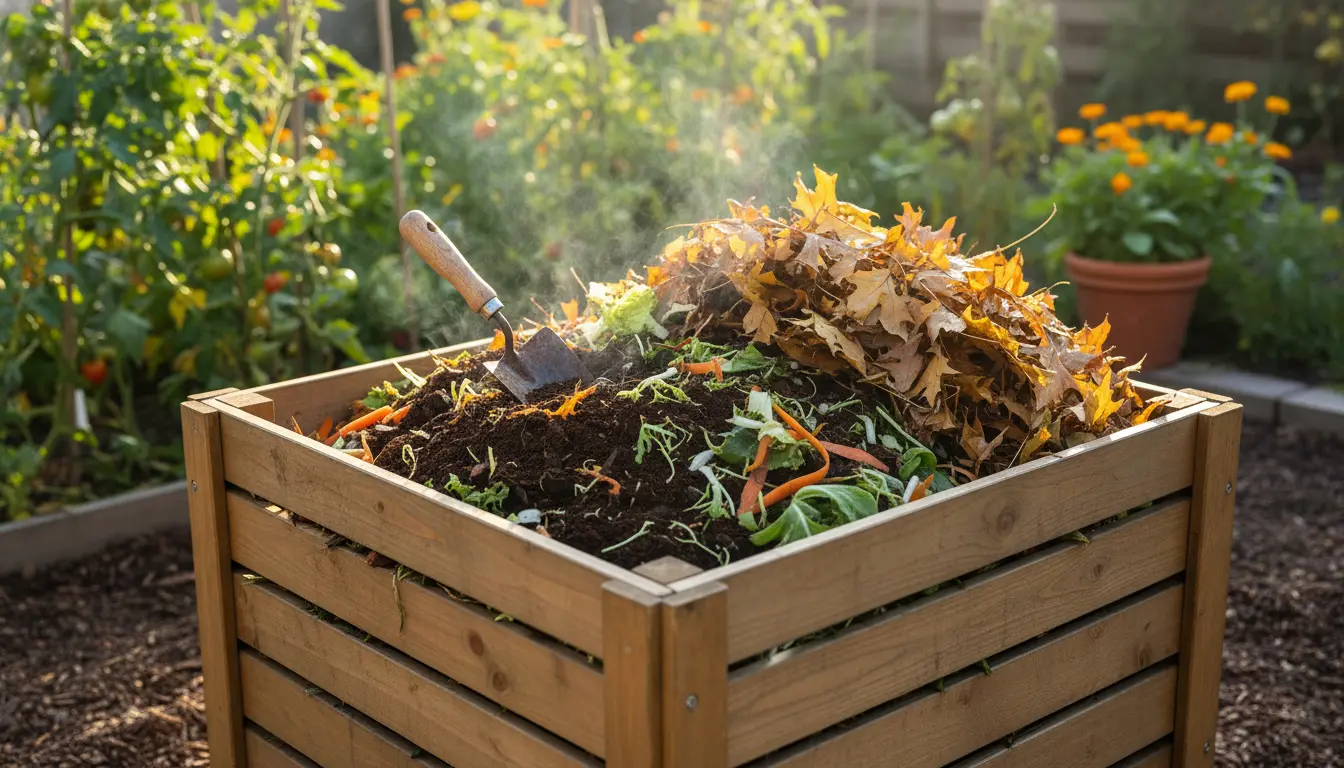
Composting at home reduces landfill waste and creates nutrient-rich soil for gardens and potted plants. It is a low-cost, low-effort way to close the loop on organic waste.
Choose a composting method for composting at home
Selecting the right method depends on available space, effort level, and how fast you want compost. Three common options work well for most households.
1. Backyard pile or bin
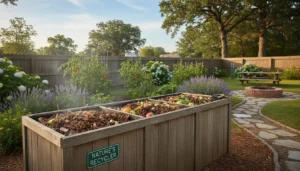
Good for yards with space. Use a simple open pile or a manufactured bin to hide the pile and retain heat. Turn periodically for faster results.
2. Tumbler or enclosed bin
Ideal for easy turning and neat appearance. Tumblers speed up decomposition but are limited by volume. They are convenient for small yards and patios.
3. Worm composting (vermicomposting)
Best for apartments or small spaces. Red worms break down kitchen scraps quickly. Keep the bin indoors or on a balcony and maintain moisture and aeration.
What to add and what to avoid when composting at home
Balance carbon-rich and nitrogen-rich materials for healthy compost. Avoid items that attract pests or slow decomposition.
- Greens (nitrogen): fruit and vegetable scraps, coffee grounds, fresh grass clippings.
- Browns (carbon): dry leaves, shredded paper, cardboard, straw.
- Avoid: meat, dairy, oils, diseased plants, pet waste from carnivores.
Step-by-step process to start composting at home
Follow these practical steps to begin and maintain an effective compost pile.
- Pick a spot with good drainage and partial shade for outdoor bins.
- Build a base layer of coarse browns like twigs or straw to improve airflow.
- Add alternating layers of greens and browns, aiming for roughly 3 parts browns to 1 part greens by volume.
- Keep the pile moist like a wrung-out sponge; water if it becomes dry.
- Turn the pile every 1–2 weeks to introduce oxygen and speed decomposition.
- Harvest finished compost when it is dark, crumbly, and earthy smelling—typically 2–6 months depending on conditions.
Troubleshooting common problems when composting at home
With a few adjustments you can fix most compost problems quickly.
- Bad odors: Add more browns and turn the pile to increase airflow.
- Slow decomposition: Chop materials smaller, add moisture, and increase surface area by turning.
- Pests: Bury food scraps under a layer of browns or use a closed bin or tumbler.
- Too wet: Add dry browns and turn to aerate; ensure good drainage.
Tips to speed up composting at home
Small tweaks can shorten time to finished compost and improve quality.
- Chop or shred materials before adding them.
- Maintain a balanced carbon to nitrogen ratio (roughly 25–30:1 by weight).
- Use a compost thermometer; 120–160°F indicates active decomposition.
- Turn regularly to supply oxygen to microbes.
Food scraps and yard waste make up about 30% of household trash. Composting at home can reduce methane emissions from landfills and return nutrients to soil.
Using finished compost from composting at home
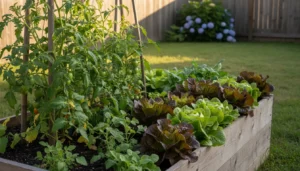
Finished compost improves soil structure, water retention, and nutrient content. Use it to top-dress lawns, mix into garden beds, or as potting mix amendment.
- Mix 1–3 inches into garden beds before planting.
- Top-dress around shrubs and trees to feed roots slowly.
- Blend with potting soil for container plants at a ratio of 1 part compost to 2–3 parts soil.
Small real-world case study: A neighborhood kitchen to garden loop
In a two-year neighborhood pilot, a block of 12 households adopted backyard and worm composting. Each household diverted an average of 80 kg of organic waste per year from the trash.
They reported improved vegetable yields and reduced grocery costs. The neighborhood used finished compost to establish a community herb bed that now supplies fresh herbs to residents.
Quick checklist to start composting at home
Use this checklist to get started this weekend.
- Select method: bin, tumbler, or worm setup.
- Gather browns: leaves, shredded paper, cardboard.
- Collect greens: kitchen scraps and fresh yard waste.
- Set a schedule for turning and moisture checks.
- Label a container for kitchen scraps and a small scoop for adding to your pile.
Final thoughts on composting at home
Starting composting at home is a simple, practical step toward sustainability and healthier soil. Begin small, learn by doing, and adjust as you go.
With routine care, composting becomes a low-maintenance habit that benefits your garden and the environment.