
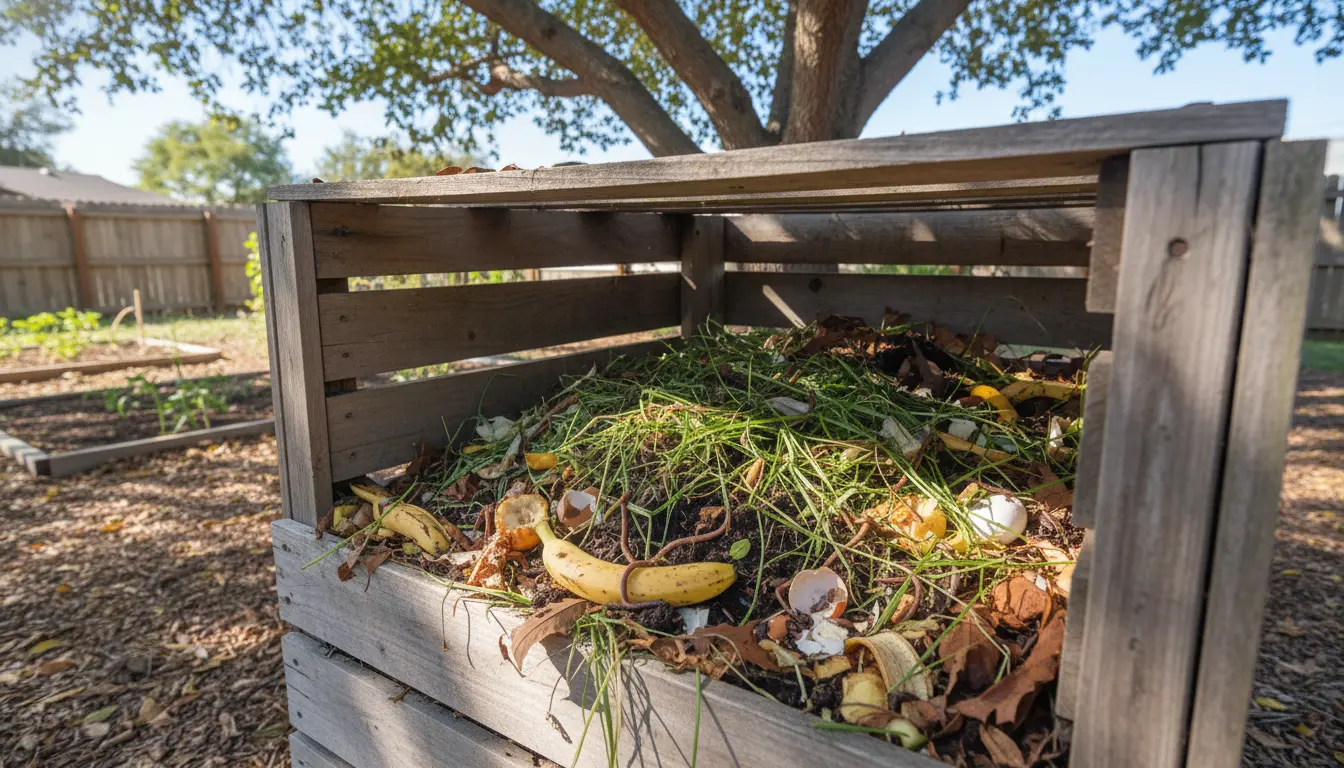
Composting at home turns kitchen scraps and yard waste into a nutrient-rich soil amendment. This guide gives clear, practical steps for beginners and simple tips to avoid common mistakes.
Why composting at home matters
Composting reduces household waste, improves soil health, and lowers the need for commercial fertilizers. It also helps retain moisture in gardens and supports beneficial soil life.
Many cities charge for organic waste pickup, so composting can save money. It is an accessible action with measurable benefits.
Basic steps for composting at home
Follow these core steps to start a successful compost pile or bin at home. Each step has easy options depending on space and effort.
1. Choose a composting method
Pick a method that fits your space and time:
- Static bin: Low maintenance, good for small yards.
- Compost tumbler: Faster decomposition with regular turning.
- Hot pile: Larger volumes and faster results, needs more management.
- Vermicomposting: Uses worms, ideal for apartments and kitchens.
2. Gather the right materials
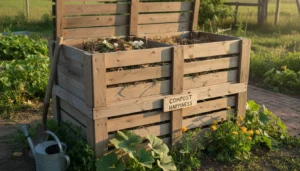
Compost needs a balance of carbon (browns) and nitrogen (greens).
- Greens (nitrogen): fruit and vegetable scraps, coffee grounds, fresh grass clippings.
- Browns (carbon): dry leaves, straw, shredded paper, cardboard.
Aim for roughly a 3:1 ratio of browns to greens by volume for most backyard systems.
3. Build and maintain the pile
Layer materials, keep the pile moist like a wrung-out sponge, and turn periodically.
- Layering: Start with a coarse base (twigs) to improve airflow.
- Moisture: Too dry slows decomposition, too wet causes odors.
- Turning: Every 1–4 weeks depending on method speeds up composting.
Troubleshooting common problems in composting at home
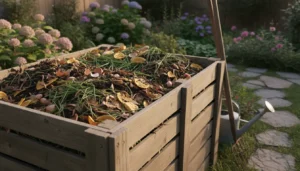
Problems are usually easy to fix with small adjustments. Use the checklist below to diagnose issues quickly.
- Bad smell: Add more browns and increase turning to add air.
- Slow breakdown: Check moisture and chop large pieces into smaller bits.
- Pests: Secure bin, bury food scraps, avoid meat and oily foods.
Composting can cut household waste volume by up to 30 percent and reduce methane emissions from landfills. Finished compost improves soil structure and can hold several times its weight in water.
How to use finished compost from home
Finished compost is dark, crumbly, and smells earthy. Use it as a soil amendment, mulch, or tea for plants.
- Mix 1–2 inches into garden beds before planting.
- Top-dress lawns with a thin layer and water in.
- Make compost tea by steeping compost in water and using it as a dilute liquid feed.
Small real-world example: One-family compost case study
Sarah, a homeowner with a small backyard, started a 3-bin system in spring. She used a mix of kitchen greens, shredded leaves, and cardboard. By late fall she had three 20-liter buckets of finished compost.
Her improvements included less weekly trash volume and healthier tomato plants that produced earlier and with fewer fertilizer inputs. Sarah turned her bins every 2 weeks and kept materials shredded for faster breakdown.
Tips to make composting at home easier
Consistency beats perfection. Small habits make composting work over time.
- Store a small countertop pail to collect kitchen scraps and empty into the bin daily.
- Shred or chop materials before adding to speed decomposition.
- Keep a supply of dry browns ready for rainy periods.
- Label bins or use color coding to remember which pile is youngest.
Quick checklist before you start composting at home
- Choose a method that fits space and effort.
- Collect greens and browns separately to balance the mix.
- Monitor moisture and airflow regularly.
- Use finished compost in beds, pots, or as mulch.
Composting at home is a low-cost, high-impact step toward sustainability. With basic setup and regular small actions, you can transform household waste into valuable soil amendment in months rather than years.