
Why composting at home matters
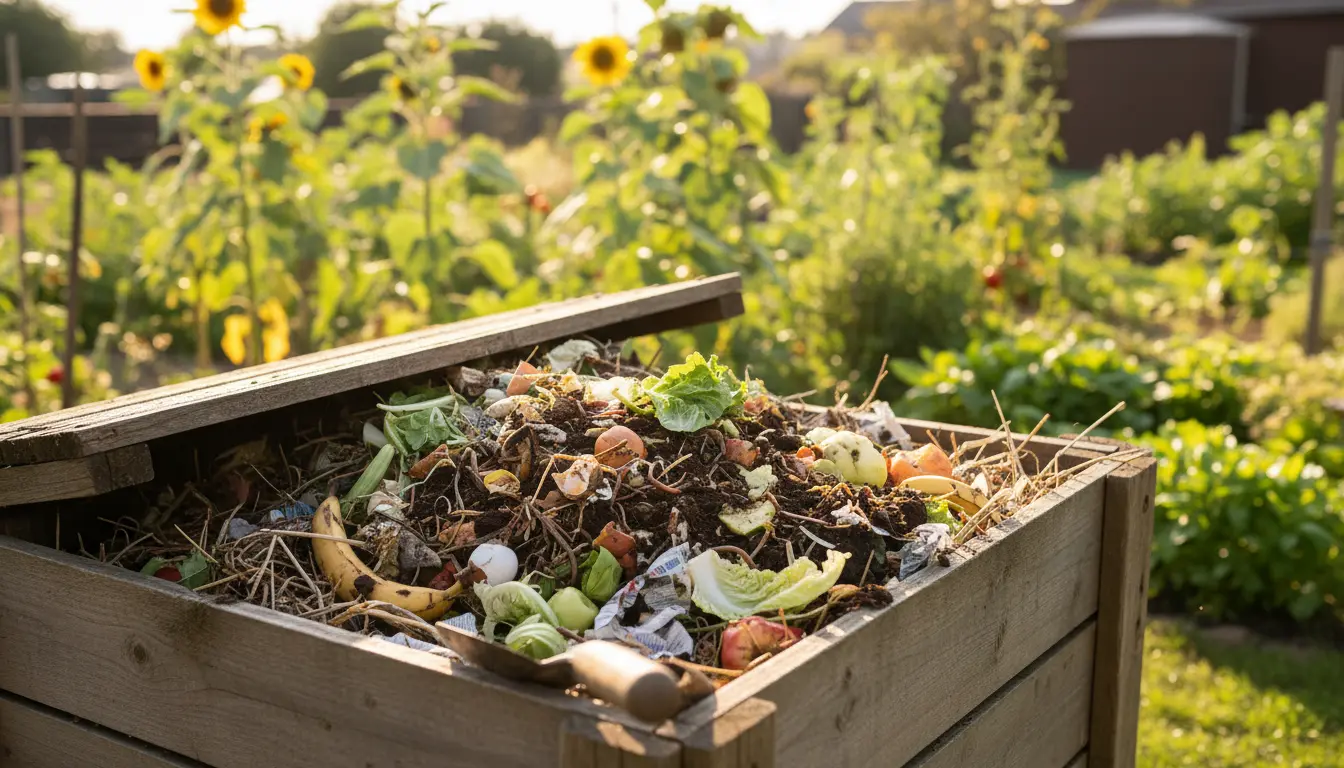
Composting at home turns kitchen scraps and yard waste into a valuable soil amendment. It reduces landfill waste, lowers methane emissions, and feeds your garden naturally.
This guide explains the basic systems, what to include and avoid, and simple maintenance so beginners can start composting at home with confidence.
Choose a composting method for your space
Not every household needs the same system. Choose one that fits your space, time, and type of waste.
Backyard pile or bin
Best for yards and gardens. A simple wire bin or wooden enclosure works. Aim for a pile at least 3 feet wide to retain heat and moisture.
Tumbler composting
Tumblers speed up mixing and aeration. They are cleaner and easier to rotate, making them great for small yards and busy schedules.
Vermicomposting
Use worms to break down food waste in indoor bins. Vermicomposting works well for apartments and produces rich worm castings.
Bokashi fermentation
Bokashi uses fermentation to pre-treat kitchen waste, including meat and dairy, before burying or adding to a compost pile. It is compact and odor-controlled.
What to compost: greens and browns
Composting requires a balance between nitrogen-rich greens and carbon-rich browns. Aim for a rough 30:1 carbon to nitrogen ratio, but practical mixing works fine.
- Greens (nitrogen): vegetable scraps, coffee grounds, fresh grass clippings, tea bags
- Browns (carbon): dry leaves, straw, shredded paper, cardboard
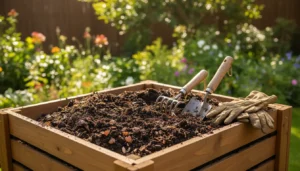
Also include small amounts of garden trimmings and eggshells. Chop larger materials to speed breakdown.
What to avoid when composting at home
Some items can cause pests, odors, or slow decomposition. Exclude these or handle them properly.
- Meat, fish, bones, and dairy (unless using bokashi)
- Oily or greasy foods
- Diseased plants, invasive weeds, and chemically treated wood
- Pet waste from carnivores
How to start composting at home in 5 steps
Follow these practical steps to set up and maintain a healthy compost system.
- Pick a spot: partial shade with good drainage keeps moisture balanced.
- Set up the container: prepare a bin, pile, or tumbler and add 6 inches of browns as a base.
- Add materials: layer greens and browns; aim for mixed textures and avoid large clumps.
- Maintain moisture and air: compost should feel like a damp sponge; turn every 1–2 weeks for hot composting.
- Harvest: mature compost is dark, crumbly, and smells earthy. Use it in garden beds, potting mixes, or as a top dressing.
Tips to speed up composting at home
To produce finished compost faster, focus on particle size, aeration, and the right feedstock mix.
- Chop kitchen scraps and shred leaves to increase surface area.
- Turn the pile regularly to supply oxygen to microbes.
- Add a handful of finished compost or garden soil to introduce beneficial organisms.
- Keep the pile moist but not waterlogged.
Composting can divert up to 30 percent of household waste from landfills. Properly managed compost generates heat that can break down materials in a few months.
Dealing with common problems
Even experienced composters face pests, odors, or slow breakdown. Identify the symptom, then use these fixes.
- Bad smells: add more browns and turn the pile to increase oxygen.
- Pests: bury food scraps under a layer of browns or use a closed bin.
- Slow decomposition: reduce large pieces, increase moisture, and add nitrogen-rich greens.
Small real-world case study
Case: A two-person household in a suburban home started backyard bin composting. They collected vegetable scraps in a countertop pail and added them to a 3-foot wooden bin three times a week.
They layered dry leaves and shredded paper between additions, turned the pile every 10 days, and kept it moist. In six months they harvested 45 liters of compost and used it to top-dress vegetable beds, which improved soil structure and reduced fertilizer needs.
Using finished compost in your garden
Finished compost improves soil texture, water retention, and nutrient supply. Use it in several practical ways.
- Mix 1 part compost to 3 parts soil for potting mixes.
- Work compost into garden beds at a depth of 2–3 inches before planting.
- Top-dress established plants with a thin layer to slowly release nutrients.
Quick checklist to start composting at home
Keep this short checklist handy as you begin your composting routine.
- Choose a bin type: pile, tumbler, worm bin, or bokashi
- Gather browns and greens before starting
- Maintain moisture like a damp sponge
- Turn or aerate regularly for faster composting
- Harvest and use finished compost in your garden
Start small, observe how your system behaves, and adjust. Composting at home is a practical step toward lower waste and healthier soil.