
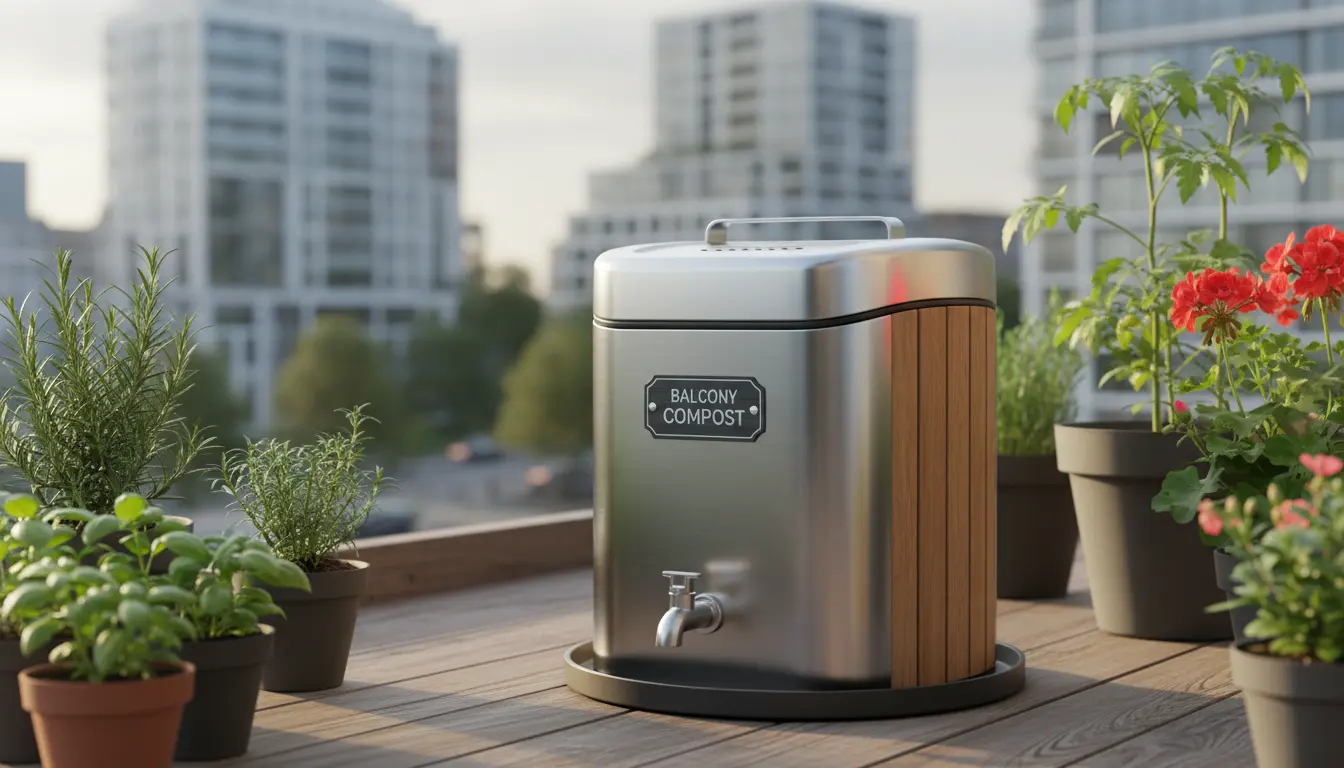
Composting at home turns kitchen and yard waste into a valuable soil amendment. This guide gives clear steps you can follow to start composting today.
Why start composting at home
Composting reduces landfill waste and creates nutrient-rich material for plants. It is a low-cost way to improve soil structure, retain moisture, and support healthy gardens.
Small households and apartment dwellers can compost too; you only need a container and a simple routine. The next sections explain how to choose a method and keep a compost system working well.
How to start composting at home
Choose a composting method
Pick a method that fits your space and time. Common options include a backyard compost bin, worm composting (vermicompost), and a sealed countertop system for small kitchens.
- Backyard bin: Best for yards with moderate space and yard waste.
- Worm bin: Works well indoors or on balconies and processes food scraps quickly.
- Tumbler: Faster decomposition and easier turning, good for beginners.
Materials to use for composting at home
Balance ‘greens’ and ‘browns’ for efficient composting. Greens are rich in nitrogen and break down fast; browns add carbon and structure.
- Greens: vegetable scraps, fruit peels, coffee grounds, fresh grass clippings.
- Browns: dry leaves, shredded paper, cardboard, sawdust (untreated).
- Aim for roughly a 2:1 ratio of browns to greens by volume for a steady process.
Where to put your compost bin
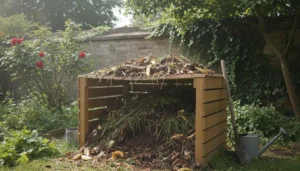
Place your bin on soil or a breathable surface so beneficial organisms can enter. Choose partial shade to keep moisture balanced and make access easy for regular additions.
If you live in an apartment, a small worm bin under a sink or on a balcony works well and keeps odors low.
Maintaining composting at home
Routine checks keep the compost active. Turn or aerate the pile every 1–2 weeks to add oxygen unless you use a worm bin that doesn’t need turning.
- Moisture: The pile should feel like a wrung-out sponge. Add water or dry browns as needed.
- Heat: Active piles warm up in the center. Moderate heat shows microbial activity.
- Size: For heat to build well, aim for at least a 1 cubic foot mass, though smaller systems still work slowly.
Troubleshooting common issues with composting at home
Bad smells
Rotten or sour smells mean too many greens or poor aeration. Add dry browns and turn the pile to introduce air.
Slow decomposition
Slow breakdown can result from dryness, lack of nitrogen, or large pieces. Chop materials, add some greens or finished compost, and maintain moisture.
Fruit flies and pests
To limit pests, bury food scraps under browns, use a closed bin, or compost in a worm bin. Avoid adding meat, dairy, or oily foods to outdoor home compost bins.
Harvesting and using finished compost
Compost is ready when it is dark, crumbly, and smells earthy. This can take 2–12 months depending on method and conditions.
Use finished compost as a soil top-dressing, mix it into potting soil, or work it into garden beds to improve fertility and water retention.
Household composting can divert up to 30% of your garbage by weight. Adding compost to soil can also reduce the need for chemical fertilizers.
Real-world example: A small balcony compost case study
Sarah, a city renter, started a worm bin on her 6-square-meter balcony. She added about 1 liter of kitchen scraps per day and fed worms shredded cardboard and coffee grounds.
After four months, she harvested roughly 10 liters of finished vermicompost, which she mixed into three potted tomato plants. The tomatoes showed stronger growth and needed 20% less watering compared with the previous season.
This example shows that even small systems produce measurable benefits for container gardens and reduce waste pickup needs.
Quick checklist to start composting at home
- Choose a method: backyard bin, tumbler, or worm bin.
- Gather materials: greens, browns, a container, and a location.
- Start the pile with a layer of browns, add scraps, and cover with more browns.
- Turn or aerate regularly and monitor moisture.
- Harvest when crumbly and use in pots or garden beds.
Composting at home is a straightforward way to reduce waste and improve plant health. Start small, keep the process balanced, and adjust based on what your system needs. With a little attention, you can turn everyday organic waste into a valuable resource for your garden.