
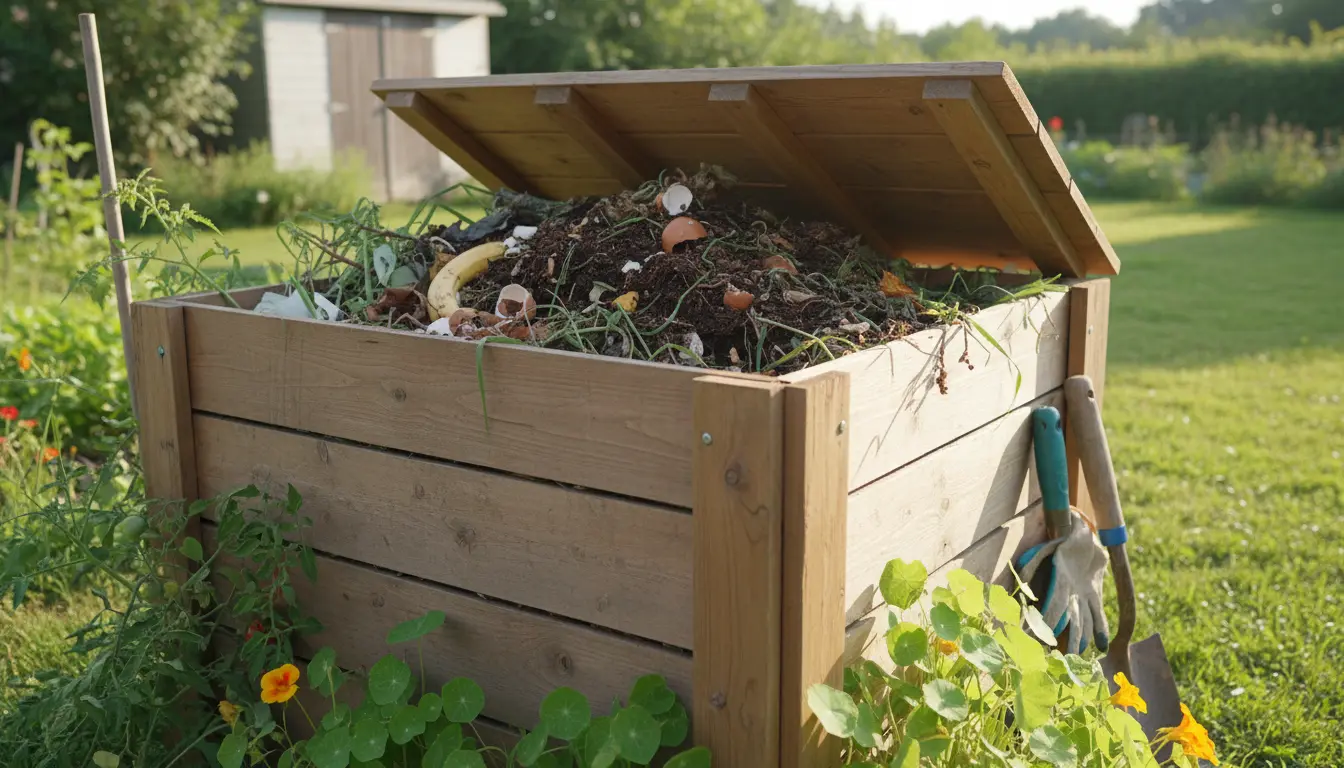
Why Start Composting at Home
Composting at home turns kitchen and yard waste into nutrient-rich soil. It reduces trash, lowers methane from landfills, and improves garden health.
This guide shows practical steps you can take today, whether you have a backyard, balcony, or small kitchen.
Choose a Home Composting System
Selecting the right system depends on space, time, and what you want to compost. Here are the common options:
- Backyard bin: Simple plastic or wooden bin for larger yards.
- Tumbler composter: Enclosed barrel that turns easily for faster breakdown.
- Vermicompost (worm bin): Uses red worms to compost kitchen scraps indoors or in shaded areas.
- Bokashi: Fermentation method good for apartments and can handle cooked food.
How to pick the right system
If you have a small garden or balcony, choose a tumbler or worm bin. For large yards, a stationary bin is low-cost and low-effort.
Consider odor, maintenance, and how much material you will add each week.
What to Compost at Home
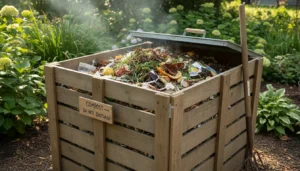
Home composting works best when you balance green and brown materials. Greens provide nitrogen, browns provide carbon.
- Greens: fruit and vegetable scraps, coffee grounds, fresh grass clippings.
- Browns: dry leaves, shredded paper, cardboard, wood chips.
- Avoid: meat, dairy, oily foods, diseased plants, pet waste from carnivores.
Simple ratios and examples
A practical target is about 2 to 3 parts browns to 1 part greens by volume. For example, mix two grocery bags of dry leaves with one bag of kitchen scraps.
Microorganisms in a compost pile can raise temperatures above 130°F (54°C), helping to break down material and kill many pathogens.
Step-by-Step: Start Composting at Home
Follow these steps to build a simple and effective compost pile or bin.
- Select location: a shaded, accessible spot near a water source for backyard bins. For indoor systems, choose a ventilated area.
- Build a base layer: add coarse browns like small branches or straw for airflow.
- Add materials in layers: alternate thin layers of greens and browns. Chop large items to speed decomposition.
- Maintain moisture: the pile should be as damp as a wrung-out sponge. Water occasionally or cover in dry weather.
- Turn or aerate: every 1–2 weeks for hot composting with a fork or by rotating a tumbler. Worm bins need less turning.
- Harvest finished compost: when dark, crumbly, and earthy-smelling (4 weeks to 12 months depending on method), screen and use in pots or garden beds.
Troubleshooting Home Composting
Common issues are easy to fix with small adjustments.
- Bad odors: add more browns and increase turning; avoid meat and dairy.
- Pests: bury food scraps under browns, use a closed bin or secure lid, or use a Bokashi fermenter indoors.
- Slow decomposition: chop materials finer, add water if dry, or add a handful of garden soil to introduce microbes.
- Too wet: add dry browns and improve drainage by adding coarse material to the base.
Using Your Compost
Finished compost is versatile and improves soil structure, moisture retention, and nutrient content.
- Mix compost into garden beds at a ratio of about 1 part compost to 4 parts soil.
- Use as potting mix amendment for container plants.
- Top-dress lawns with a light layer to boost soil health.
Small Real-World Example
Case Study: Sarah in Portland converted to home composting in spring. She used a 120-liter tumbler and a small indoor Bokashi for cooked scraps.
After six months she reduced her weekly kitchen waste to landfill by roughly 60%. Her garden tomatoes produced larger fruit, and she used a bucket of compost each month to refresh potting soil.
Key takeaways from the case
- Matching systems to lifestyle (tumbler + Bokashi) made composting consistent.
- Regular small actions (chopping scraps, turning the tumbler weekly) sped up results.
- Quantifiable benefits: less trash, healthier plants, lower grocery costs over time.
Quick Tips to Maintain Home Composting
- Keep a small countertop bin with a tight lid to collect kitchen scraps.
- Freeze meat scraps or handle them with Bokashi; avoid putting them in open piles.
- Label and store dry browns like shredded paper or leaves during the fall for year-round use.
- Be patient: slower systems still produce excellent compost with minimal effort.
Starting composting at home is a practical step toward reducing waste and improving soil health. Choose a system that fits your space, balance greens and browns, and keep maintenance consistent. Within a few months you will see reduced waste and richer soil for plants.