
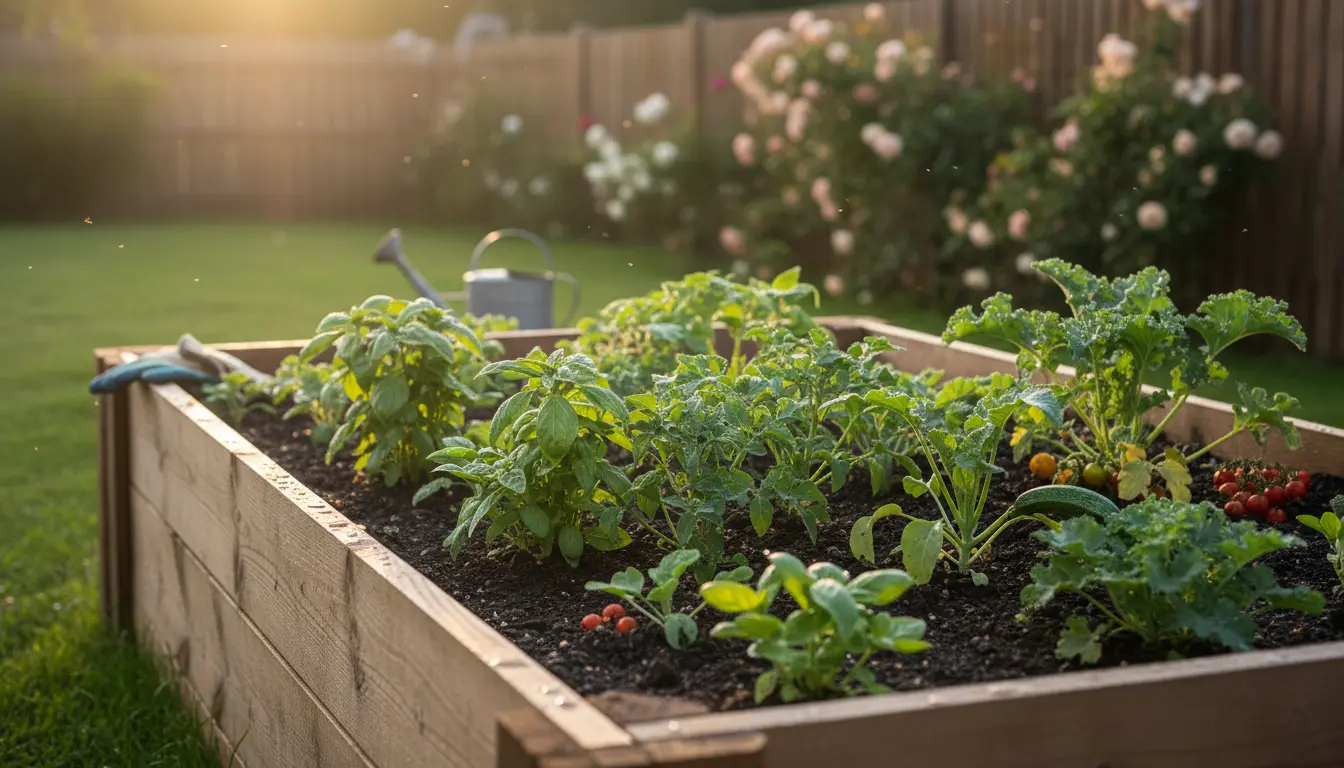
Starting a vegetable garden is a practical way to get fresher produce, save money, and learn a useful skill. This guide walks you through the core steps so you can plan, plant, and maintain a productive garden at any scale.
Why start a vegetable garden
A vegetable garden gives you control over what you eat and reduces trips to the store. It can fit a backyard, balcony, or even a sunny windowsill with containers.

Before you begin, set realistic goals: weekly salads, a few herbs, or full-season supply of staples like tomatoes and beans. Clear goals help you choose plants and space.
Choose the right location to start a vegetable garden
Most vegetables need at least 6 hours of direct sunlight. Observe your yard at different times to find the sunniest spot.
Consider access to water, wind exposure, and proximity to your house. Easier access increases the chance you’ll maintain the garden.
Sun, water, and soil access
Locate near a hose or rain barrel for convenient watering. If the soil is poor or shaded, choose raised beds or containers instead.
Also think about soil drainage. A flat or slightly sloped area with good runoff avoids waterlogged roots.
Prepare soil and beds for a productive garden
Good soil is the foundation of success. Most gardeners aim to create loose, fertile soil with good structure and drainage.
Test basic soil characteristics by feel and with an inexpensive pH test kit. Aim for pH 6.0 to 7.0 for most vegetables.
Soil improvement steps
- Clear weeds and grass and remove debris.
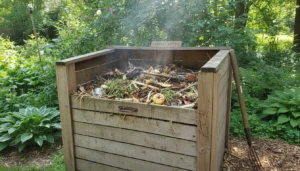
- Work in 2–4 inches of compost per season to improve fertility and structure.
- Loosen compacted soil to 8–12 inches deep so roots can develop.
- Consider raised beds filled with a mix of topsoil, compost, and coarse sand for quick results.
Select plants and timing when you start a vegetable garden
Choose varieties suited to your growing zone and skill level. Leafy greens, radishes, and bush beans are forgiving for beginners.
Check your local frost dates and stagger plantings. Some crops are cool-season; others need warm soil to thrive.
Beginner-friendly plant list
- Lettuce and spinach (fast, cool-season)
- Radishes (very quick harvest)
- Cherry tomatoes (compact and productive)
- Bush beans (low maintenance)
- Herbs: basil, parsley, chives
Planting and maintenance
Follow spacing and depth instructions on seed packets or plant tags. Crowded plants reduce airflow and encourage pests.
Water consistently. Young plants need regular moisture until roots establish. Deep, infrequent watering encourages strong root systems.
Essential maintenance tasks
- Mulch around plants to retain moisture and suppress weeds.
- Monitor for pests and disease weekly; remove affected leaves early.
- Fertilize lightly with balanced organic feed if growth appears slow.
- Support tall plants like tomatoes with stakes or cages.
Harvesting and troubleshooting
Harvest vegetables at peak ripeness for best flavor and to encourage more production. Frequent harvesting often increases yield.
If you see yellowing leaves, slow growth, or pests, act quickly. Identify the issue and treat with cultural methods first, like pruning or changing watering habits.
Common problems and quick fixes
- Pests: hand-pick or use insecticidal soap for small infestations.
- Overwatering: improve drainage and reduce frequency.
- Poor blooms: increase sunlight or check for nutrient deficiency.
Did You Know? A 4 ft by 4 ft raised bed can yield enough salad greens for a small family through the growing season when planted and rotated properly.
Small real-world example: Urban balcony garden case study
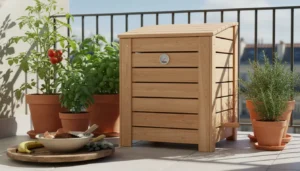
Case study: Maria, a city renter with a 2 meter by 1 meter balcony, grew a mix of containers and one raised trough. She chose compact tomato, lettuce, and herb varieties suited to containers.
In her first season she harvested weekly salads, several kilos of cherry tomatoes, and fresh herbs. Key actions were daily watering checks, using a high-quality potting mix, and weekly liquid feeding.
Her results show that even limited space can produce meaningful yields with the right plant choices and consistent care.
Seasonal checklist to start a vegetable garden
- Spring: test soil, start seeds indoors, plan layout.
- Early summer: transplant, mulch, stake tall plants.
- Mid season: harvest regularly, watch for pests.
- Fall: clear spent plants, add compost, plant cover crop if needed.
Final tips for beginners
Start small and expand as you gain confidence. A few productive containers or one raised bed is easier to manage than a large plot.
Keep a simple garden journal: planting dates, varieties, pests, and yields. This record helps you improve each season.
With basic site choice, soil work, plant selection, and simple maintenance you can reliably grow vegetables at home. Begin with a clear plan and steady, small steps.