
Start a Vegetable Garden: Get Ready
Starting a vegetable garden is a practical project that anyone can do with basic tools and a little planning. This guide gives step-by-step instructions to help you choose a site, prepare soil, plant crops, and maintain your garden.
Start a Vegetable Garden: Choose Your Site
Pick a location that gets at least 6 hours of direct sunlight daily. Vegetables need sun to produce fruit and healthy leaves.
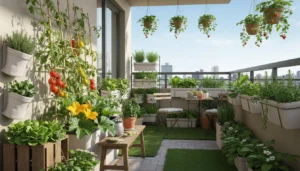
Consider proximity to a water source and how easy it will be to access the beds for planting and weeding.
Site selection checklist
- 6+ hours of sun per day
- Flat or gently sloped ground
- Good drainage to avoid standing water
- Close to a water supply and garden tools
Start a Vegetable Garden: Plan Your Layout
Decide between in-ground beds, raised beds, or containers. Each has pros and cons for soil control, drainage, and effort.
Sketch a simple layout showing paths, bed sizes, and plant groups. Keep beds narrow (3–4 feet) so you can reach the middle without stepping in the soil.
Planting plan tips
- Group plants with similar water and sun needs
- Use vertical space for vining crops like beans and cucumbers
- Include a small area for herbs and fast crops like lettuce
Start a Vegetable Garden: Prepare the Soil

Good soil is the foundation of a productive garden. Test your soil pH with a kit or at a local extension office. Most vegetables prefer pH 6.0–7.0.
Improve soil with organic matter: compost, well-rotted manure, or leaf mold. Work a 2–4 inch layer into the top 6–12 inches of soil for best results.
Soil amendment steps
- Clear weeds and grass from the bed area.
- Spread 2–4 inches of compost evenly.
- Dig or till to mix compost into the top 6–12 inches.
- Rake level and water to settle the soil.
Start a Vegetable Garden: Choose What to Plant
Choose crops suited to your climate and season. Beginners often find success with tomatoes, peppers, lettuce, radishes, beans, and basil.
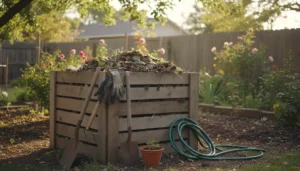
Start with a mix of fast-growing crops (lettuce, radish) and longer-season crops (tomato, pepper) to keep harvests steady.
Starter crop suggestions
- Cool season: lettuce, spinach, peas, radishes
- Warm season: tomatoes, peppers, cucumbers, beans
- Herbs: basil, parsley, chives
Start a Vegetable Garden: Planting Tips
Follow seed packet or plant label spacing and depth exactly. Crowding increases disease and reduces yields.
Water thoroughly after planting to settle soil around roots, then maintain a regular watering schedule based on weather.
Watering guidance
- Water deeply 1–2 times per week rather than light daily sprinkling
- Aim for 1–1.5 inches of water per week total, adjusting for rain
- Use drip irrigation or soaker hoses to reduce leaf wetness
Start a Vegetable Garden: Maintenance and Pest Control
Regular maintenance keeps small problems from becoming big ones. Check plants weekly for pests, nutrient deficiencies, and disease.
Use integrated pest management: hand-pick pests, use row covers, encourage beneficial insects, and apply organic controls when needed.
Simple maintenance tasks
- Weed beds to reduce competition for water and nutrients
- Mulch with straw or wood chips to conserve moisture and suppress weeds
- Prune only when necessary to improve air flow around plants
Raised beds warm up faster in spring and often produce earlier harvests. A 4 by 8 foot raised bed can yield significant produce in one season with proper rotation and care.
Start a Vegetable Garden: Harvest and Succession Planting
Harvest crops when they reach the recommended size and maturity. Frequent harvesting of lettuce and beans encourages new growth.
Use succession planting to keep the garden producing: sow quick crops after early plantings finish to extend your harvest season.
Succession planting example
- Plant radishes and lettuce in early spring.
- When they finish, sow beans or beets in the same space.
- Follow with a late-season crop like kale or spinach.
Case Study: Small Backyard Success
Jenna, a beginner gardener, converted a 100 sq ft corner of her backyard to raised beds. She planned beds for sun, added 3 inches of compost, and planted tomatoes, lettuce, and bush beans.
By following a simple watering schedule and using mulch, Jenna harvested lettuce for salads all spring and had enough tomatoes to make fresh sauces in late summer. Her approach shows how modest space and consistent care yield tangible results.
Final Tips to Start a Vegetable Garden
- Start small to avoid overwhelm — expand next season.
- Keep a garden journal: note planting dates, varieties, and harvests.
- Learn from neighbors or local extension services for climate-specific advice.
Starting a vegetable garden is a learning process. With consistent attention to soil, water, and plant selection, you can build a productive garden that fits your time and space.