
Plan Before You Start a Vegetable Garden
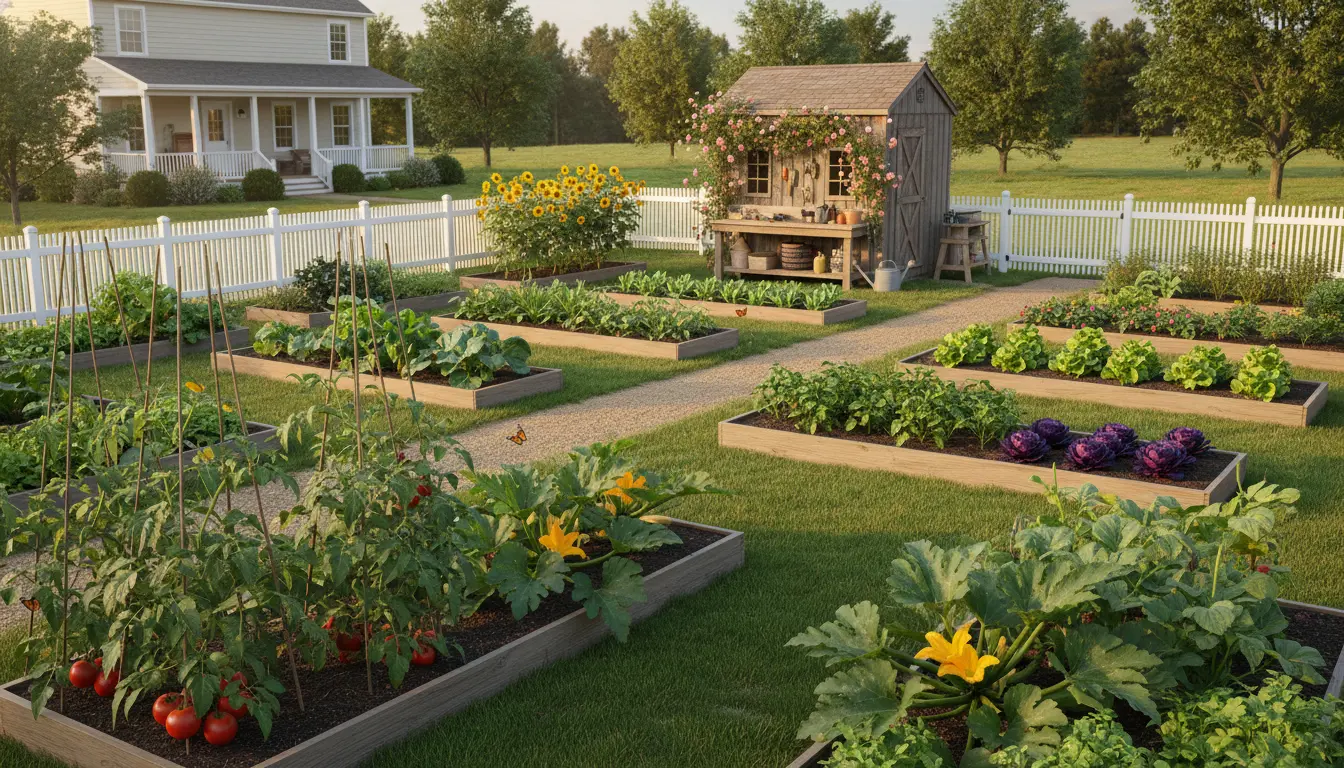
Starting a vegetable garden begins with a simple plan. Decide what you want to grow and how much space you have available.
Consider sun exposure, water access, and how much time you can commit to maintenance.
Choose the Right Location for Your Vegetable Garden
Most vegetables need 6–8 hours of direct sunlight. Observe your yard for a few days to find the sunniest spot.
Good drainage is important. Avoid low areas that stay wet after rain.
Container Gardening or Raised Beds
If you have limited space, use containers or raised beds. They warm faster in spring and allow complete control over soil quality.

Choose containers at least 12 inches deep for most vegetables and add drainage holes.
Prepare Soil to Start a Vegetable Garden
Healthy soil is the foundation of a productive garden. Test soil pH and nutrient levels with a simple test kit.
Most vegetables prefer slightly acidic to neutral soil (pH 6.0–7.0). Amend heavy clay with compost and sand to improve texture.
Soil Mix and Compost
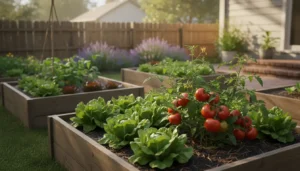
Add 2–3 inches of compost to beds and mix into the top 6–8 inches of soil. For containers use a quality potting mix blended with compost.
Compost improves fertility, water retention, and structure. Consider a weekly or monthly top-dress of compost during the growing season.
Pick Vegetables That Make Sense
Start with easy, high-reward crops. Tomatoes, lettuce, radishes, green beans, and herbs are reliable for beginners.
Choose varieties suited to your climate and the length of your growing season.
- Fast growers: radishes, lettuce, spinach
- Warm-season staples: tomatoes, peppers, cucumbers
- Perennial herbs: rosemary, thyme, oregano
Planting: Seeds vs Seedlings
Seeds are inexpensive and offer many variety choices. Seedlings give a head start and are easier for beginners.
Follow seed packet or plant tag instructions for spacing and depth to reduce crowding and disease risk.
Timing Your Planting
Use your local last frost date to time planting. Cool-season crops can go out before last frost; warm-season crops should wait until after.
Stagger plantings of lettuce and greens every 2–3 weeks for a continuous harvest.
Watering and Feeding Your Vegetable Garden
Consistent moisture is key. Water deeply once or twice a week rather than shallow daily spraying.
Mulch reduces evaporation and suppresses weeds. Use organic mulch like straw or shredded leaves.
Fertilizing Practices
Use a balanced slow-release fertilizer or regular liquid feed during the growing season. Avoid over-fertilizing leafy crops if you want fruit production.
Monitor plant vigor and leaf color as clues to nutrient needs.
Manage Pests and Diseases
Start with prevention: rotate crops, remove debris, and plant resistant varieties. Inspect plants regularly for early signs of problems.
Use physical controls first: hand-pick pests, use row covers, and apply soapy water for soft-bodied insects.
- Common pests: aphids, slugs, tomato hornworms
- Common diseases: blight, powdery mildew, root rot
- Prevention: good spacing, proper water, clean tools
Harvesting and Storage
Harvest vegetables at peak ripeness for best flavor and productivity. Many crops taste better when picked regularly.
Store harvests properly—leafy greens refrigerate well, while root crops like carrots store in cool, damp conditions.
Simple Seasonal Calendar to Start a Vegetable Garden
Start seeds indoors 6–8 weeks before last frost for tomatoes and peppers. Plant cool-season crops directly in early spring.
Late summer sowings of lettuce and radishes extend the season into fall.
Small Case Study: Urban Balcony Garden
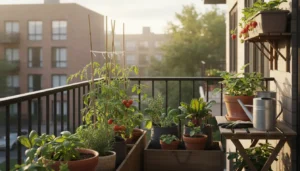
Emma had a 6-foot balcony and wanted fresh salad greens. She used three 18-inch containers and a 4×2 foot raised bed box.
She planted lettuce, spinach, cherry tomatoes, basil, and a couple of pepper plants. Within eight weeks she harvested continuous salad greens and three tomato harvests.
Her key steps: choose compact varieties, use good potting mix, water consistently, and rotate crops seasonally. Initial cost was low, and she saved on groceries within one season.
Quick Checklist to Start a Vegetable Garden
- Pick a sunny location with good drainage
- Decide on beds, raised beds, or containers
- Test and amend soil with compost
- Choose beginner-friendly crops suited to your climate
- Water deeply and mulch to retain moisture
- Inspect regularly and manage pests promptly
Final Tips for Garden Success
Start small to avoid being overwhelmed. Learn one season at a time and expand as you gain confidence.
Keep notes on planting dates, varieties, and pests. These records help improve results year to year.
With reasonable planning and consistent care, you can start a vegetable garden that provides fresh produce and satisfaction right from your backyard or balcony.