
Start a Vegetable Garden: First Steps
Starting a vegetable garden is straightforward when you follow clear steps. This guide covers planning, soil, planting, and maintenance so you can get growing fast.
Choose the Right Spot to Start a Vegetable Garden
Pick a location with at least 6 hours of direct sunlight for most vegetables. Good drainage and easy access to water matter more than size.
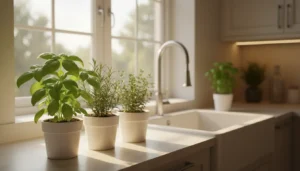
Consider containers or raised beds if you have limited ground space or poor soil.
Plan Your Vegetable Garden Layout
Sketch a simple layout before you plant. Decide between rows, raised beds, or container grouping based on space and how much you want to maintain.
Group plants by water needs and height to reduce shading and simplify care.
What to Plant First When You Start a Vegetable Garden
Start with easy crops: lettuce, radishes, tomatoes, herbs, beans, and peppers. Choose varieties labeled ‘easy’ or ‘beginner’ at nurseries.
Use succession planting for continuous harvests: sow a small batch of lettuce every 2–3 weeks.
Soil Preparation for a Vegetable Garden
Healthy soil gives the best results. Test pH if possible; most vegetables prefer pH 6.0–7.0. Add compost to improve fertility and structure.

Follow these basic steps to prepare soil:
- Remove weeds and debris from the planting area.
- Loosen soil to 8–12 inches for root crops.
- Mix in 2–3 inches of compost or well-rotted manure.
- Top with a 1–2 inch mulch layer after planting to retain moisture.
Planting and Seedling Care
Read seed packets and plant labels for spacing and depth. Overcrowding causes disease and poor yields, so follow spacing recommendations.
Water newly planted seeds and seedlings gently but consistently until established. Deep, infrequent watering encourages stronger roots.
When to Start Seeds Indoors vs Outdoors
Start seeds indoors 4–8 weeks before the last frost for tomatoes and peppers. Direct sow fast growers like beans and radishes after the last frost.
Transplant seedlings on a cloudy day or in the evening to reduce transplant shock.
Maintenance: Watering, Feeding, and Pest Control
Set a simple watering schedule: 1–2 deep waterings per week is better than daily shallow watering. Adjust for heat and rainfall.
Fertilize lightly with a balanced organic fertilizer during peak growth. Avoid over-fertilizing, which encourages foliage over fruit.
- Inspect plants weekly for pests and disease.
- Handpick larger pests and use row covers for protection.
- Encourage beneficial insects by planting flowers like marigolds and alyssum.
Harvesting Tips for a Productive Vegetable Garden
Harvest regularly to encourage more production. Pick tomatoes when they are ripe but still firm, and harvest leafy greens before they bolt.
Label harvest dates to learn which varieties perform best in your garden conditions.
Common Problems and Quick Fixes
Yellow leaves: check watering and soil drainage. Wilting: test soil moisture and look for root damage.
Low yields: ensure adequate sunlight and reduce overcrowding. Seek local extension services for serious disease diagnosis.
Many common vegetables need only 6 hours of sun to produce well. Cool-season crops like lettuce and spinach tolerate partial shade and can extend your harvest season.
Simple Seasonal Checklist to Start a Vegetable Garden
- Spring: prepare soil, start seedlings, plant cool-season crops.
- Summer: mulch, water deeply, harvest regularly, stake tall plants.
- Fall: plant cover crops or tidy beds, save seeds from mature plants.
Small Case Study: A Backyard Beginner Who Started a Vegetable Garden
Jane, a first-time gardener with a 10×10 ft patio, used two raised beds and started with tomatoes, lettuce, and bush beans. She built beds from cedar, filled them with a 50/50 mix of compost and topsoil, and planted seedlings in May.
By September she harvested frequent salads and several kilos of tomatoes. Her key steps were regular deep watering, using compost, and planting companion herbs like basil to deter pests.
Practical Examples and Planting Combinations
Try these simple combos to maximize space:
- Tomatoes + Basil + Marigolds: pest reduction and flavor pairing.
- Carrots + Radishes: radishes mature quickly and loosen soil for carrots.
- Leafy Greens + Cilantro: staggered sowing gives continuous harvests.
Final Tips to Keep Your Vegetable Garden Growing
Start small and expand as you gain confidence. Keep a garden notebook to track planting dates, varieties, and lessons learned.
Use local resources: extension offices, community gardens, and plant swaps to find varieties suited to your climate.
With basic planning and weekly attention, you can start a vegetable garden that provides fresh food and rewards you with steady harvests for seasons to come.